As the US midterm elections approach, Texas Muslims are increasingly concerned about the surge in Islamophobia affecting their community. Across the state, local policies and social attitudes have created an environment where many Muslim residents feel stigmatized and marginalized. This rising climate of Islamophobia is not just a social issue but a critical political challenge that Texas Muslims are determined to address at the ballot box.
Texas, home to a significant and diverse Muslim population, has recently witnessed a wave of legislative initiatives and public rhetoric that many community leaders view as targeting them unfairly. These policies often relate to security measures, religious freedoms, and educational content, which critics argue unfairly single out Muslims and contribute to a narrative of suspicion and exclusion.
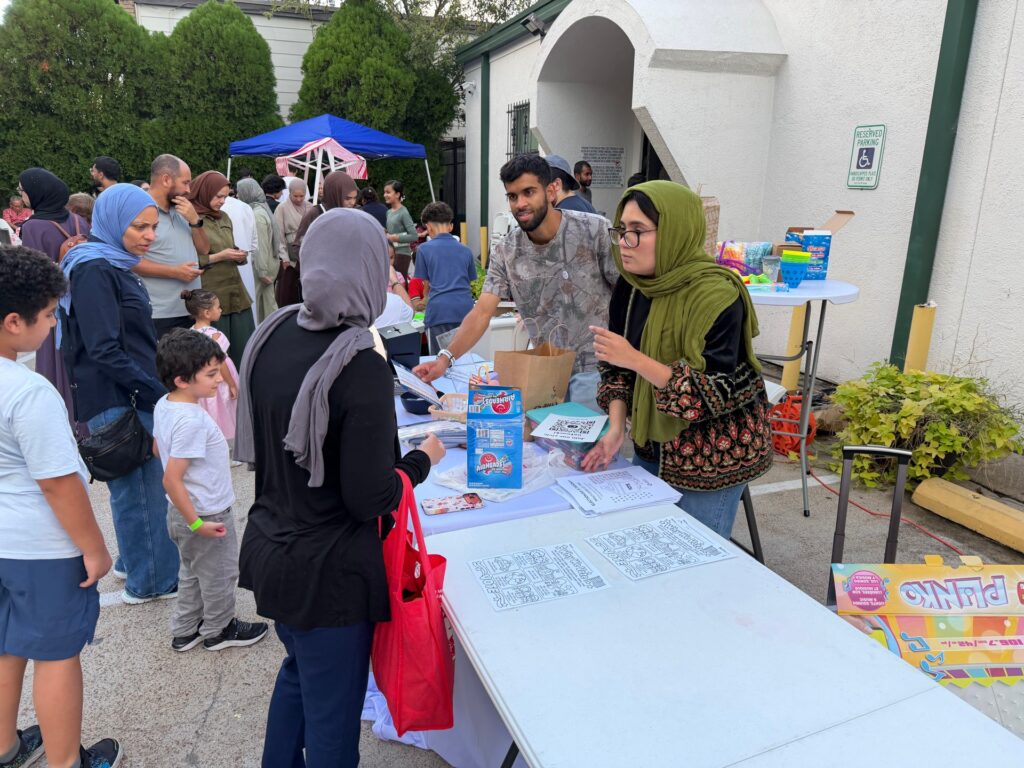
Community activists and organizations have ramped up efforts to educate both Muslims and non-Muslims about the implications of these policies. They are focusing on voter registration drives, hosting informative forums, and engaging with candidates to push for policies that promote inclusion and protect religious freedom. The goal is to ensure that the voices of Texas Muslims are heard and that elected officials are held accountable for championing equitable treatment.
One of the central concerns is the portrayal of Muslims in political discourse, where Islamophobic rhetoric has been used to incite fear and justify restrictive laws. This has implications for civil rights, community safety, and local governance. Texas Muslims argue that combating misinformation and fostering cross-cultural understanding are essential to reversing these trends.
Moreover, the midterm elections present an opportunity for Texas Muslims to make tangible political gains. By increasing voter turnout, supporting candidates who advocate for social justice, and challenging Islamophobic policies, the community aims to reshape the political landscape. Local leaders emphasize that political engagement is a powerful tool to combat discrimination and ensure equitable representation.
The broader Muslim community in Texas is also working to build coalitions with other minority groups affected by discriminatory policies. Collaborative efforts focus on shared goals like combating hate crimes, promoting fair immigration policies, and enhancing community policing strategies. Such alliances strengthen advocacy initiatives and highlight the intersectional nature of the struggles faced by marginalized communities.
As election day nears, the stakes remain high for Texas Muslims and their allies. The outcome will likely influence not only state legislation but also the social fabric of local communities. The pathway forward involves sustained activism, strategic voting, and continued dialogue to foster a society where all residents, regardless of faith, can live free from fear and discrimination.
In conclusion, the Texas Muslim community’s response to rising Islamophobia amid the US midterms exemplifies their resilience and commitment to justice. By leveraging political participation and building inclusive coalitions, they hope to create lasting change that safeguards their rights and promotes unity throughout the state.