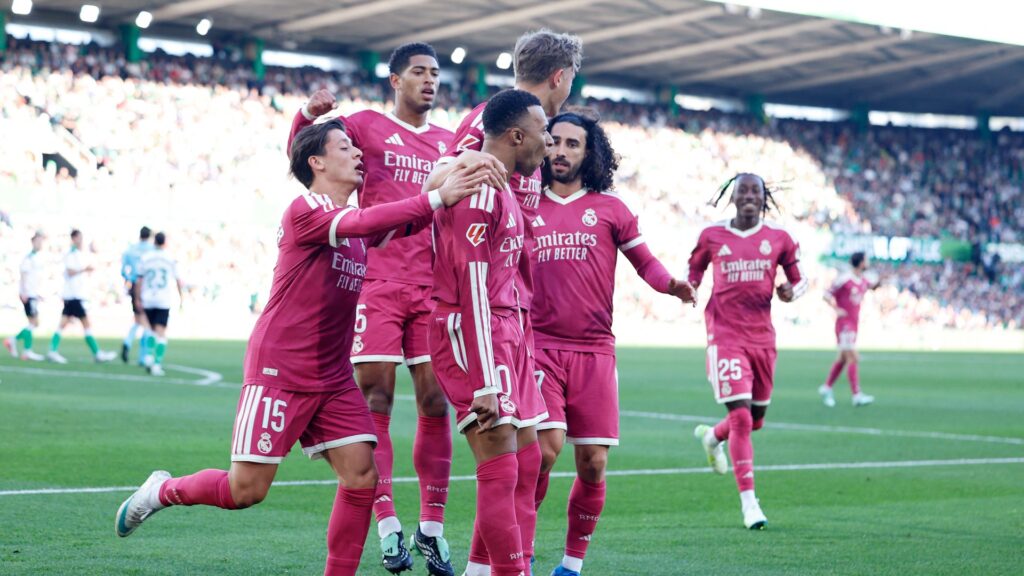
Real Madrid’s matches remain banned in China despite an apology from Kylian Mbappe, who issued a statement in an effort to ease tensions. The ban stems from controversial remarks or actions that reportedly offended Chinese viewers or authorities, leading to a suspension of broadcasts featuring the renowned Spanish football club. Mbappe’s apology has been aimed at mending relations, yet the Chinese authorities have not lifted the broadcast restrictions, underscoring the complex nature of international relations and cultural sensitivities in global sports.
The ongoing ban affects not only the club’s fanbase in China but also the broadcasting partners and sponsors who rely on the large Chinese market. As one of the most popular football teams worldwide, Real Madrid’s matches attract millions of viewers, and their absence on Chinese screens is notable.
This situation highlights the delicate balance between sports, politics, and international diplomacy. While players and clubs often seek to maintain neutrality, incidents like these illustrate how quickly sports can become entangled with broader geopolitical issues. Mbappe’s apology was seen as a positive gesture, but the fact that it hasn’t led to a reversal of the ban indicates that the underlying issues may be deeper than initially perceived.
Fans and analysts alike are watching closely to see how the situation develops and whether the ban will be lifted in the near future. The resolution may require more than just apologies; dialogue and understanding at higher diplomatic levels might be necessary to restore access to Real Madrid matches in one of the world’s largest sports markets.
In the meantime, fans in China are missing out on live broadcasts, which may impact the club’s global reach and fan engagement. The incident serves as a reminder of the powerful role sports play in international relations and how cultural respect and sensitivity are paramount in maintaining global connections.