In a significant geopolitical move, China has intensified its diplomatic engagement in the Middle East by conducting pivotal meetings with Iran and Oman. This strategic outreach highlights Beijing’s expanding role as a mediator in the region, aiming to foster stability and encourage dialogue amid ongoing tensions.
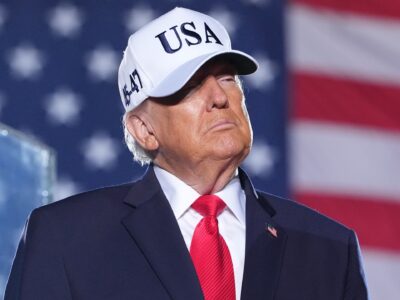
Recently, Chinese envoys held discussions with Iranian officials focusing on de-escalating the tensions between the United States and Iran. China strongly urged all parties involved to engage in dialogue and peaceful negotiations to prevent conflict escalation. This underscores China’s commitment to positioning itself as a constructive player in Middle Eastern affairs, advocating for diplomacy over confrontation.
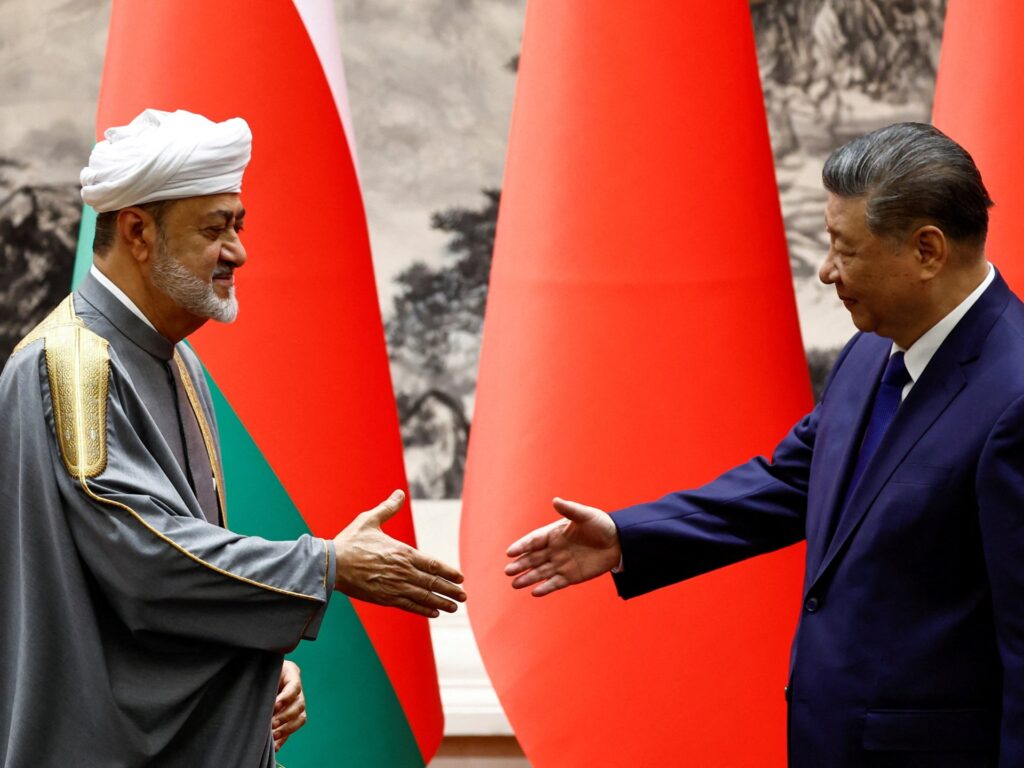
Parallel to its engagement with Iran, China also hosted the first Omani head of state visit since 1978, a historic event reflecting deepening bilateral ties. President Xi Jinping’s welcoming of the Omani leader symbolizes a revival of ancient connections and a new chapter in Sino-Omani relations. The visit is a clear indication of China’s intent to broaden its influence and strengthen partnerships within the Gulf Cooperation Council countries.
These diplomatic efforts coincide with China’s broader foreign policy strategy of stabilizing critical regions through dialogue and cooperation. The Gulf region, rich in energy resources and strategic maritime routes, is crucial for China’s Belt and Road Initiative, emphasizing connectivity and economic collaboration.
By sending its envoy to the Gulf and engaging directly with key regional players, China aims to act as a balancing force, promoting peace and mitigating conflict risks in one of the world’s most volatile areas. This approach contrasts with traditional Western diplomatic influences, suggesting a possible reshaping of power dynamics in the Middle East.
China’s proactive diplomacy in the Middle East caters to multiple objectives: securing energy supplies, expanding its geopolitical influence, and supporting peaceful resolutions to conflicts. This multifaceted engagement is expected to have far-reaching impacts on regional politics and global diplomatic frameworks.
As tensions persist globally, China’s moves in the Middle East exemplify its rising confidence and capabilities as a global power willing to take a more active role in international peace and security. Observers will be closely watching the outcomes of these meetings and the implications for US-Iran relations and broader Gulf stability.
In summary, China’s recent diplomatic initiatives involving high-level talks with Iran and hosting Oman’s head of state signify a new era of engagement in Middle East affairs. By championing dialogue and cooperation, China positions itself as an essential actor in fostering regional peace and advancing its strategic interests in this pivotal part of the world.