The recent lockdown imposed by Israeli forces on Hebron, a major city in the occupied West Bank, has officially come to an end. This important development marks a significant shift in the security and political landscape of the region, which has been fraught with tension and conflict for years.
The lockdown, which lasted several weeks, was part of measures taken by Israeli forces to curb unrest and maintain control over the area amid rising tensions. Hebron, known for its historical and religious significance, has often been a flashpoint due to clashes between Israeli settlers, military forces, and Palestinian residents.
Throughout the lockdown period, residents of Hebron faced numerous restrictions on movement, commerce, and daily life. The city’s streets were largely deserted as checkpoints and military patrols were intensified. Businesses closed, schools limited their activities, and the general atmosphere remained tense and uneasy.
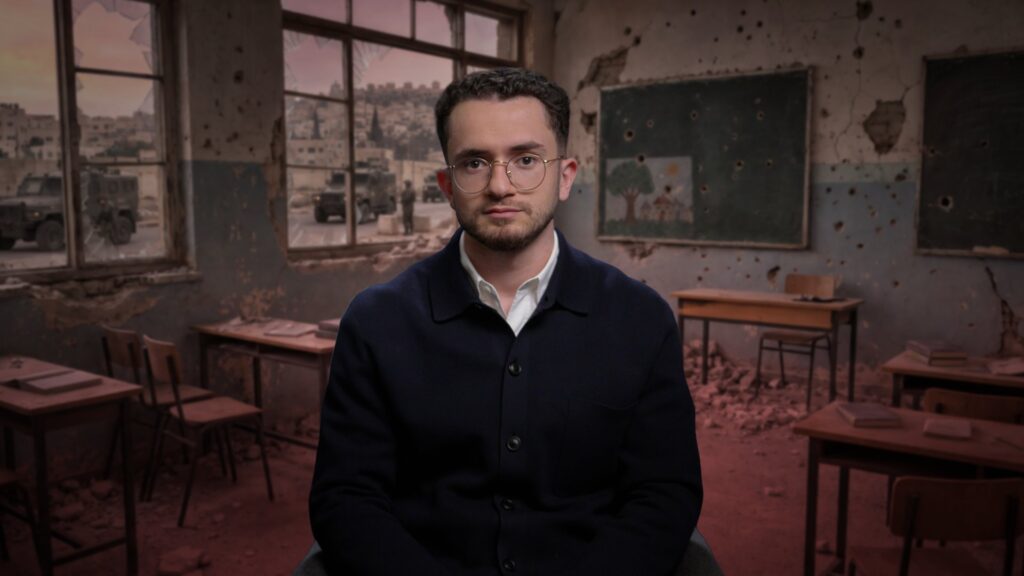
Despite the official lifting of the lockdown, reports indicate that Israeli forces have continued to exert pressure on local institutions. Notably, there have been ongoing attacks on a school within Hebron, highlighting the persistent nature of conflict in the city.
These attacks on educational facilities are particularly concerning as they directly impact the children and the community’s future. Education in conflict zones is a critical issue, with interruptions causing long-term detrimental effects on children’s development and community stability.
The cessation of the lockdown is expected to enable some return to routine for Hebron’s residents. Schools, markets, and public institutions may gradually resume their functions. However, the continuation of military activities and sporadic violence underscores that the situation remains fragile.
The end of the blockade in Hebron might signal a potential easing of hostilities or a strategic repositioning by Israeli forces. Analysts suggest that while the removal of the lockdown restrictions can be seen as a positive step towards normalcy, the unresolved core issues of occupation and territorial disputes continue to fuel conflict.
Local Palestinian leaders have called for increased international attention and support, urging for measures that would ensure the protection of civilians and uphold human rights. Meanwhile, Israeli authorities emphasize their commitment to security and protecting their citizens from attacks, illustrating the deeply entrenched perspectives on both sides.
The international community continues to watch developments closely, with calls for renewed peace negotiations and efforts to find a lasting resolution to the Israeli-Palestinian conflict. The situation in Hebron remains emblematic of the broader challenges faced in achieving durable peace and stability in the region.
As the city emerges from lockdown, the immediate focus will be on restoring normal civic operations while addressing the ongoing security concerns. Community leaders, both Palestinian and Israeli, will need to collaborate alongside international mediators to foster dialogue and reduce hostilities.
In conclusion, while the lifting of the lockdown in Hebron marks an important moment, the continuation of attacks on educational institutions and the underlying tensions signify that peace is still elusive. The path forward requires sustained attention, dialogue, and efforts to build trust, respect human rights, and ensure safety for all residents living amidst decades of conflict.