The United Nations Security Council recently faced a significant impasse as it rejected competing resolutions proposed by the United States and Russia concerning the situation in Western Sahara. This deadlock has significant implications for the ongoing peacekeeping operations in the region.
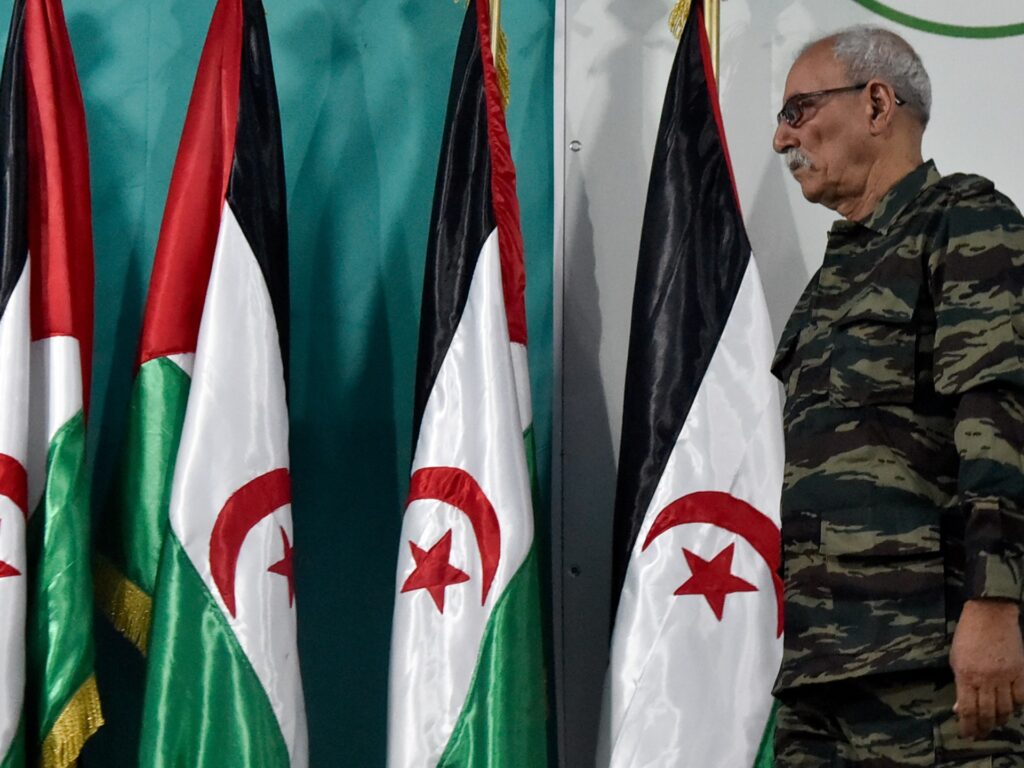
Western Sahara, a disputed territory in North Africa, has long been a point of contention primarily between the Sahrawi Arab Democratic Republic and Morocco. The UN has maintained a presence there through the United Nations Mission for the Referendum in Western Sahara (MINURSO), established to monitor ceasefire agreements and facilitate a referendum on self-determination.
The Security Council’s failure to pass either the US-backed or Russian-backed resolution means that MINURSO currently lacks an authorized mandate extension to continue its peacekeeping efforts. Both proposals aimed to address the stagnation in political progress but differed in their approaches and conditions.
The US resolution reportedly emphasized support for Morocco’s autonomy plan and called for continued dialogue to achieve a political solution. On the other hand, the Russian initiative focused more on reinforcing ceasefire commitments and enhancing the mission’s monitoring capabilities without explicitly endorsing any political settlement.
This stalemate reflects broader geopolitical tensions within the Security Council, where competing interests and alliances influence decisions on international conflicts. Western Sahara’s status remains one of the UN’s longest unresolved issues, and the absence of consensus threatens to exacerbate instability in the region.
With no new mandate approved, the future of MINURSO is uncertain. The peacekeeping mission operates in challenging circumstances, often criticized for its limited authority and constrained resources. Its mandate is crucial for maintaining relative peace and creating conditions conducive to negotiations.
The rejection of both resolutions signals a need for renewed diplomatic efforts and compromise among Security Council members. For the Sahrawi people and Morocco alike, prolonged uncertainty undermines prospects for peace and development.
The international community continues to watch closely, urging the Security Council to find a constructive path forward. The stakes remain high, as Western Sahara sits at the crossroads of regional stability, humanitarian concerns, and the principles of self-determination and sovereignty.
In conclusion, the recent Security Council rejection of rival US and Russian proposals underscores the complexities of international diplomacy related to Western Sahara. Without a unified approach, the peacekeeping mission faces operational challenges, and the long-standing dispute remains unresolved. Significant diplomatic efforts will be required to break the deadlock and advance toward a lasting political solution.