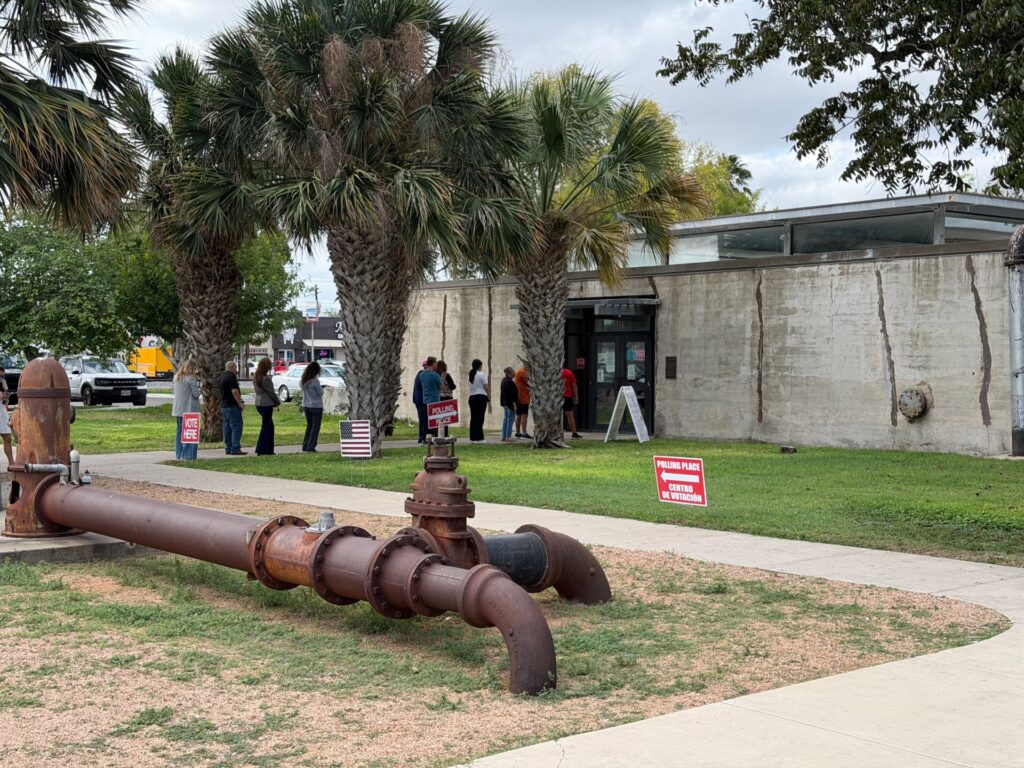
In the Rio Grande Valley of Texas, a notable shift is occurring among voters traditionally aligned with political parties. Struggling with economic hardships and living paycheck to paycheck, many residents are reevaluating their political affiliations as the 2024 election approaches. This region, long seen as a critical battleground for both Democrats and Republicans, is now witnessing voters’ frustration translate into a distancing from established party loyalties.
Economic concerns dominate the discourse in these border communities, where low wages, high living costs, and limited job opportunities have created a climate of uncertainty. Residents express concerns that neither party has adequately addressed their everyday struggles. This sentiment is prompting a reevaluation of political support, with some voters considering alternative voices or candidates who promise tangible improvements rather than party rhetoric.
The Rio Grande Valley has traditionally been a Democratic stronghold, benefiting historically from the party’s focus on social programs and immigration reform, issues close to the hearts of the community. However, in recent years, Republicans have intensified efforts to court these voters, emphasizing border security and economic empowerment as pillars of their platform. Despite these advances, many voters remain skeptical.
Political analysts note that the 2024 swing in the Rio Grande Valley could become a bellwether for larger national trends. Voter disenchantment with both major parties may signal a rise in independent or third-party support, or an increase in voter abstention. Both Republicans and Democrats are actively campaigning to regain trust, highlighting initiatives aimed at economic development, healthcare access, and education improvements.
Local leaders stress the importance of addressing the root causes of economic instability to prevent further erosion of political engagement. Community organizations play a crucial role in educating voters about their options and facilitating dialogue with candidates. Efforts to improve infrastructure and create jobs are seen as essential steps.
As the election season progresses, the eyes of political strategists are fixed on the Rio Grande Valley. The region’s voters, many struggling paycheck to paycheck, embody the broader challenges facing America today. Their evolving political preferences may well shape the contours of the 2024 presidential race and the future direction of U.S. policy on border and economic issues.