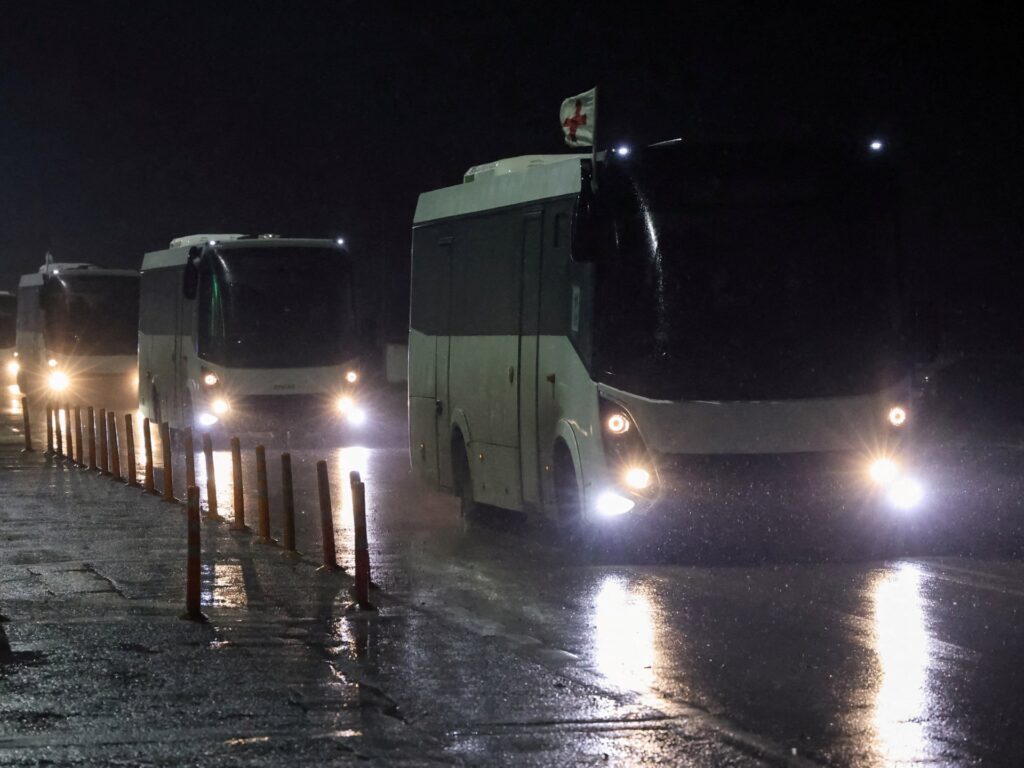
In a significant development amidst the ongoing conflict, hundreds of evacuees from the Russian-occupied city of Oleshky have been transported to Belarus as part of a route leading back to Ukraine. Four planes carrying these civilians landed at Gomel airport in Belarus, marking a crucial step in enabling their safe passage away from the war-ravaged area.
Oleshky, located in a region heavily affected by military operations, has seen extensive damage and instability, leading to an urgent need for evacuation to protect civilians from the escalating violence. The coordinated effort to fly evacuees via Belarus has provided a rare corridor for residents seeking safety and respite from the conflict.
The choice of Gomel as the transit point underscores Belarus’s role as a key intermediary in facilitating humanitarian corridors in the region. While Belarus maintains a complex political stance in the conflict, this operation highlights an aspect of humanitarian cooperation aimed at alleviating human suffering.
Authorities in Belarus have confirmed the arrival of four aircraft carrying hundreds of evacuees, including families, elderly, and vulnerable individuals. The evacuees are expected to continue their journey towards Ukrainian territories considered safer, where humanitarian aid and shelter are more readily available.
This evacuation operation reflects the ongoing challenges faced by civilians trapped in conflict zones, and the international community’s efforts to create safe passages despite the geopolitical complexities involved. The use of air transportation indicates the urgency and scale of the evacuation.
Humanitarian organizations have welcomed the initiative but emphasize the need for continued support and security guarantees for evacuees during their transit and resettlement. The situation remains fluid, with ongoing developments expected as the conflict and evacuation efforts evolve.
The evacuation from Oleshky is part of a broader pattern of civilian movements within and across borders in Eastern Europe due to the conflict. It serves as a reminder of the human cost of war and the critical importance of safe passage for displaced populations.
As the situation develops, authorities and humanitarian groups continue to coordinate efforts to ensure that those fleeing violence receive protection, aid, and assistance in rebuilding their lives. The international community watches closely, hoping for further measures that prioritize civilian safety and contribute to lasting peace in the region.