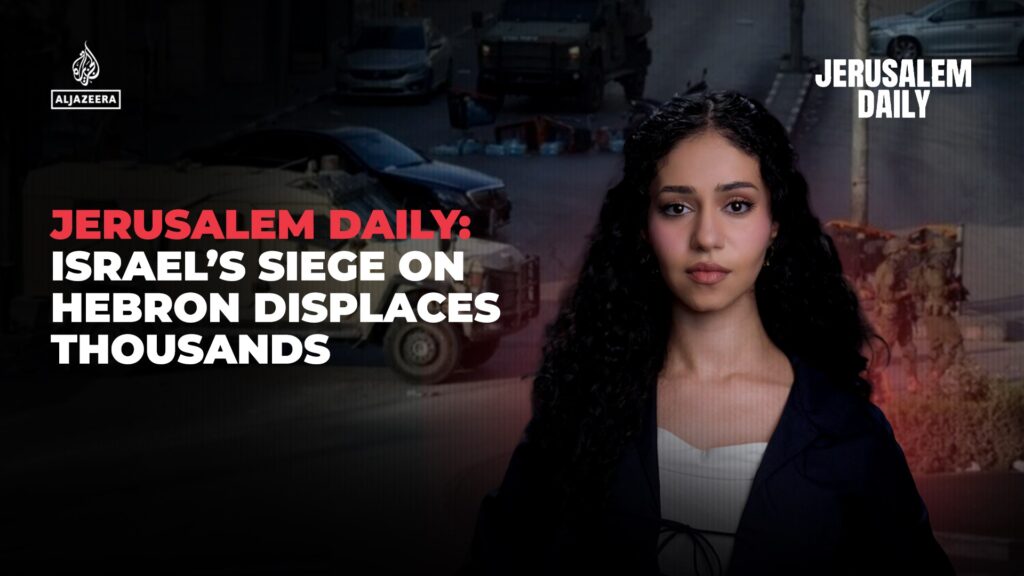
In the aftermath of the recently announced final election results in Israel, the country has significantly escalated its siege on the West Bank city of Hebron. This tightening of security measures has led to the displacement of thousands of residents, exacerbating an already tense situation in the region.
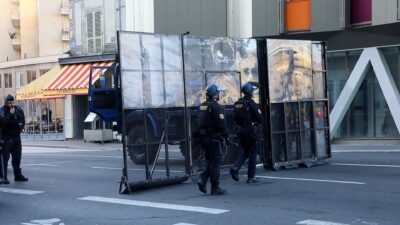
The Israeli government, having concluded a closely watched electoral process, is now implementing stricter controls in Hebron, a city with deep historical and political significance. The intensified siege includes increased military presence and restrictions on movement, aiming to curb what Israeli authorities cite as security threats.
The displacement has resulted from home raids, roadblocks, and closure of key access points, forcing numerous families to flee their homes. Humanitarian organizations have expressed concern over the growing number of displaced persons and the humanitarian impact this siege is causing in Hebron.
Concurrently, security forces have been active in the Gaza Strip, where several individuals returning to Gaza have been arrested. These arrests are part of a broader crackdown that coincides with heightened tensions following the election results.
The final election outcomes have set the stage for a government that appears to prioritize strict security measures in contested areas, signaling a potentially prolonged period of heightened conflict and instability.
International observers and human rights organizations have called for restraint and urged both sides to seek peaceful resolutions to prevent further suffering of civilians caught in the crossfire. The displacement in Hebron and the arrests in Gaza underscore the fragile state of affairs and the urgent need for diplomatic engagement.
As Israel moves forward post-election, the situation in Hebron remains a critical flashpoint, illustrating the complex challenges faced by the region amid ongoing political and security upheavals.