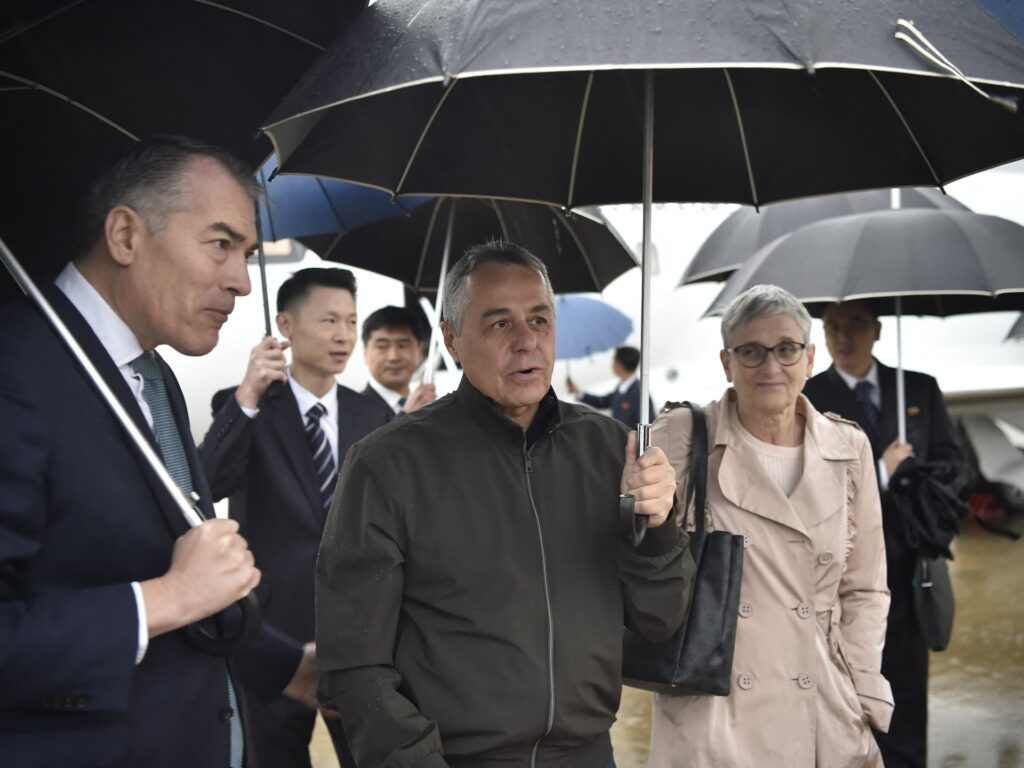
In a significant diplomatic development, the Swiss Foreign Minister has embarked on a rare visit to North Korea, signaling a renewed effort to strengthen political ties between the two nations. This visit coincides with Switzerland’s formal reopening of its diplomatic office in Pyongyang, the North Korean capital, an office that was previously closed in 2020 amid global uncertainties.
The reopening of the Swiss diplomatic office marks an important step in Switzerland’s ongoing commitment to engage with North Korea through dialogue and diplomacy. Switzerland has historically maintained a neutral stance and acted as an intermediary in international relations, making its presence in Pyongyang a strategic bridge for communication between North Korea and other countries.
During the visit, the Swiss Foreign Minister is expected to meet with key North Korean officials to discuss various bilateral and international issues. Topics likely to be on the agenda include humanitarian aid, economic collaboration, and North Korea’s role in regional security.
This diplomatic move may also reflect broader international efforts to re-engage North Korea, particularly as other nations consider new approaches in dealing with the isolated state following years of sanctions and limited communication.
The closure of the Swiss office in 2020 was influenced by the global COVID-19 pandemic and heightened geopolitical tensions. Its reopening now heralds a period of cautious optimism for improved relations and potential dialogues on the denuclearization of the Korean Peninsula.
Switzerland’s unique position as a neutral country makes it an ideal mediator to facilitate interactions that may be sensitive for more directly involved powers. The Swiss Foreign Ministry has emphasized its dedication to peaceful diplomacy and channeling constructive discussions that support stability in Northeast Asia.
Observers note that while the visit is rare, it underscores the importance of maintaining open channels of communication with North Korea despite persistent international challenges. The Swiss mission aims to build trust and explore avenues for cooperation that could benefit both nations and contribute to regional peace.
As North Korea continues to navigate complex geopolitical dynamics, Switzerland’s engagement represents a hopeful sign of diplomatic resilience and openness. The international community will be watching closely to see the outcomes of this visit and the potential implications for future North Korean relations.
This reopening and political dialogue could pave the way for more consistent diplomatic presence from other nations and possibly a gradual softening of North Korea’s isolation from the global stage. For now, Switzerland’s initiative reinforces its role as a custodian of impartial diplomacy and a promoter of peace through dialogue.