The latest Israel election results have shown the bloc led by former Chief of Staff Benny Gantz Eisenkot currently ahead of Prime Minister Benjamin Netanyahu’s camp, marking a significant development in what many analysts describe as the most consequential election in the country’s history. Voters turned out in record numbers, signaling immense public interest and high stakes for Israel’s political future.
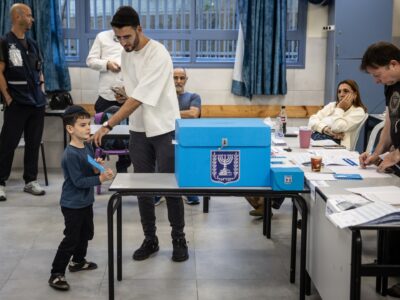
The election saw an unprecedented voter turnout, with citizens across the nation participating actively in the democratic process. Such engagement underscores the importance of this election, which could shape the trajectory of Israel’s domestic and foreign policy for years to come.
Benny Gantz Eisenkot’s bloc, a coalition formed with a mix of centrist and right-leaning parties, has managed to secure an early lead according to exit polls and preliminary counts. The bloc’s messaging focused on security, governance reforms, and economic renewal, resonating strongly with a broad cross-section of the electorate.
Meanwhile, the incumbent Prime Minister Netanyahu’s Likud party is closely contesting the results, maintaining a significant share of votes that reflects his enduring base of support. Netanyahu’s campaign highlighted national security, economic stability, and diplomatic achievements, elements that have historically underpinned his political strength.
Political analysts caution that, despite the lead by Eisenkot’s bloc, final results could be subject to shifts as remaining ballots are counted. The tight race suggests a fragmented Knesset ahead, emphasizing the likelihood of coalition negotiations and potentially fragile government formations.
Observers note that this election has been influenced by multiple factors, including the ongoing regional security challenges, economic concerns amid changing global conditions, and controversial domestic policies pursued by the government.
Public sentiment appears to be driven by a desire for stability, effective governance, and responses to both internal and external pressures faced by the country. The shift towards Eisenkot’s bloc may indicate an appetite for change and a reevaluation of current leadership approaches.
The international community has closely monitored the election, recognizing Israel’s pivotal role in Middle Eastern geopolitics. The outcome is expected to impact ongoing peace initiatives, security cooperation, and diplomatic relations on a global scale.
As final votes continue to be tallied, political parties are already engaging in intensive discussions to form a governing coalition. The complexity of Israel’s multiparty system means that no single party is likely to govern alone, necessitating alliances across a spectrum of political ideologies.
The election process, characterized by peaceful conduct and robust democratic participation, reflects the maturity of Israel’s electoral system despite the high tension and significant implications of the vote.
In summary, the ongoing Israel election results point to a pivotal moment in the nation’s political history. The leading position of the Eisenkot bloc introduces fresh dynamics, while Netanyahu’s camp remains a formidable force. As the full results emerge, the path forward will require careful coalition-building and strategic decisions impacting Israel’s future direction.