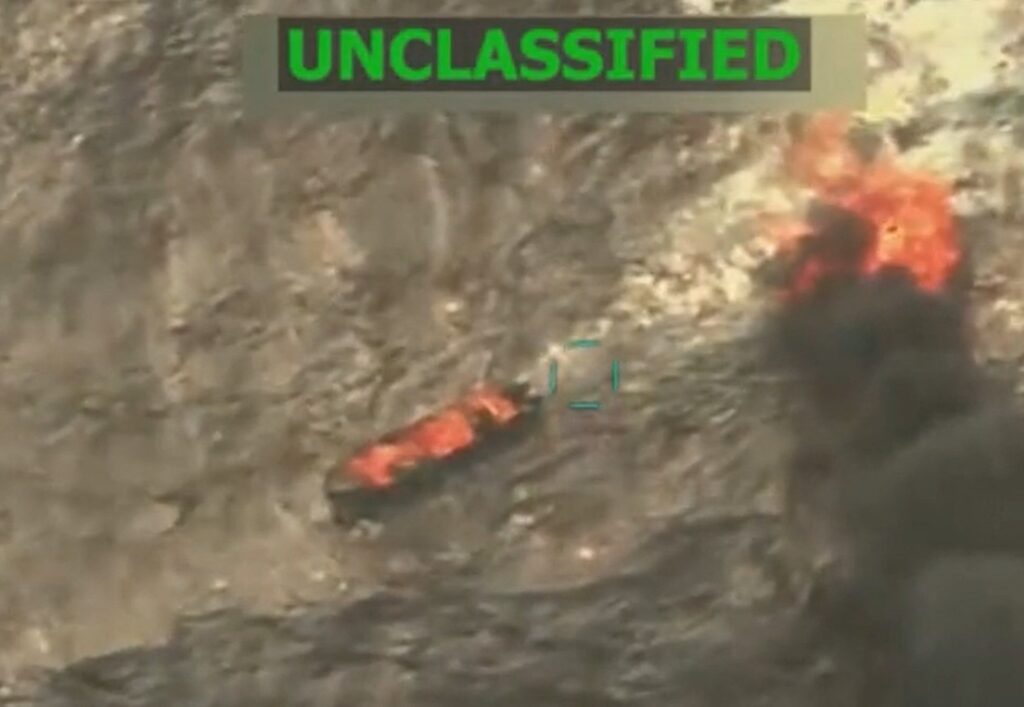
In a recent military operation, the United States announced it had killed five individuals in a strike targeting an alleged drug trafficking boat. This strike is part of an ongoing campaign against drug vessels, which has been heavily criticized for its high civilian death toll and accusations of extrajudicial killings.
Since the campaign began in September 2025, the death toll has reached 243, drawing widespread condemnation from human rights organizations and international observers. Critics argue that the campaign violates international law and calls for greater oversight and restraint in the efforts to combat drug trafficking.
The targeted boat was reported to be engaged in illicit drug activities, a claim made by US military officials as justification for the strike. However, details about the operation, including the identities of those killed and specific location details, remain largely undisclosed.
The US government maintains that these strikes are necessary to disrupt drug trafficking networks that contribute to violence and destabilization in the region. Officials emphasize that the campaign is conducted with a commitment to minimizing civilian casualties and following legal protocols.
Nonetheless, the campaign’s growing death toll and reports of extrajudicial killings have ignited debate on the effectiveness and morality of such military actions. Human rights groups demand independent investigations and call for accountability measures to prevent further loss of life.
The campaign’s continuation may heighten tensions with regional governments and international allies concerned about collateral damage and respect for human rights. Diplomatic dialogues are expected to address these issues in the coming weeks.
As the US proceeds with its efforts to curtail drug trafficking through military means, the balance between security objectives and humanitarian considerations remains a contentious and critical issue. The international community watches closely as developments unfold, hoping for a resolution that ensures both safety and respect for human dignity.