The United Kingdom has announced targeted sanctions against commanders from Sudan’s Rapid Support Forces (RSF) and the Sudanese Armed Forces in response to credible reports of weaponised rape used during conflicts in Sudan. These sanctions include travel bans and asset freezes aimed at holding those responsible accountable and deterring further abuses.
This move by Britain follows mounting international concern over the use of sexual violence as a tactic of war and repression, particularly during the recent turmoil in Sudan. Reports indicate that some commanders have orchestrated or permitted sexual violence against civilians as a deliberate weapon, contributing to ongoing human rights abuses and humanitarian crises in the region.
The sanctioned individuals are accused of either directly participating in or facilitating these atrocities, which have attracted condemnation from global human rights organizations. By freezing their assets and restricting their ability to travel abroad, the UK government seeks to increase pressure on the Sudanese military leadership to cease such violations and engage in peacebuilding efforts.
The Rapid Support Forces, a paramilitary group born out of the former Janjaweed militias, have been implicated in numerous human rights violations during Sudan’s internal conflicts, including the Darfur crisis and the more recent conflicts since the 2021 military coup. Similarly, certain elements within the Sudanese Armed Forces have been accused of complicity or active involvement in abuses against civilians.
Sanctions of this nature are a part of a growing international trend to hold military and political actors accountable for war crimes and crimes against humanity. The UK coordinates these measures with allies and international bodies to maximize their effectiveness and send a clear message against impunity.
The announcement also underscores the UK’s commitment to supporting human rights and protecting vulnerable populations in conflict zones. It encourages Sudanese authorities to investigate allegations thoroughly and promote accountability for perpetrators, thereby fostering conditions conducive to lasting peace and stability.
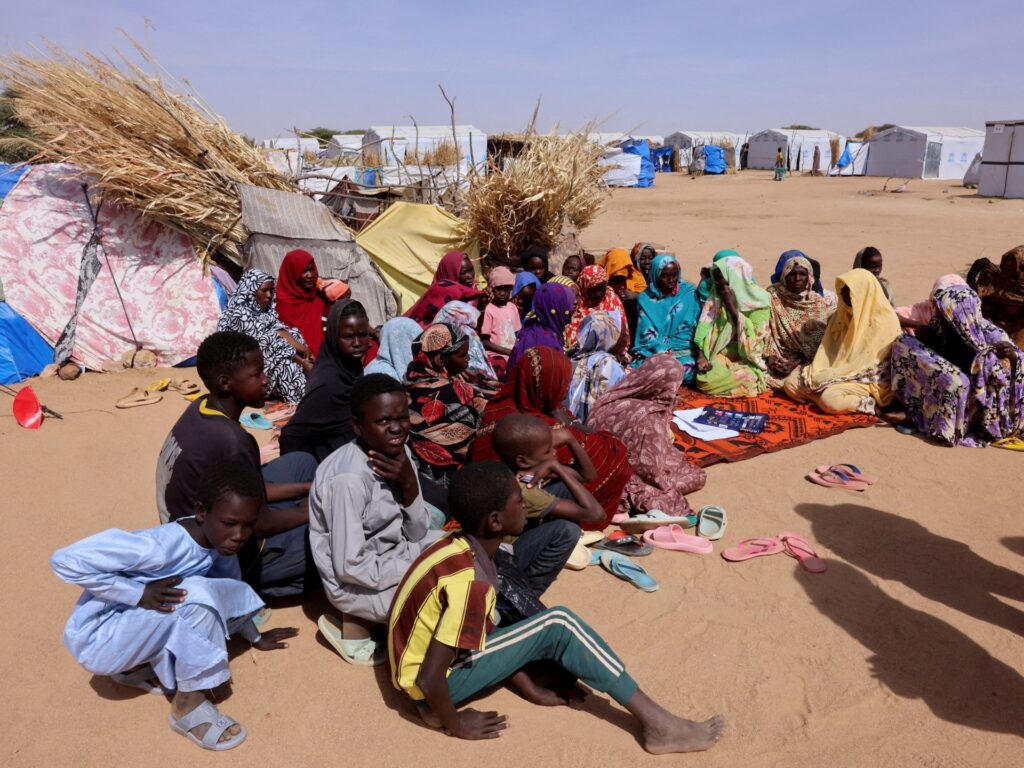
In addition to sanctions, the UK continues to provide humanitarian assistance to those affected by the conflicts in Sudan, targeting aid to displaced persons and survivors of sexual violence. The government highlights the importance of international cooperation in addressing both the immediate needs and the root causes of instability in Sudan.
The sanctions reflect the seriousness with which the UK views the use of sexual violence in conflict and represent an effort to leverage diplomatic and economic tools to combat these grave violations. By isolating individuals believed to be responsible, the sanctions aim to disrupt command structures that perpetuate violence and signal a broader commitment to justice and human rights worldwide.
This development is seen as a step towards increasing international accountability for the crisis in Sudan, where prolonged conflict has devastated communities and exacerbated suffering. The UK’s actions may also encourage other countries to adopt similar measures, reinforcing a collective response to human rights abuses in the region.
Observers note that while sanctions alone cannot resolve the complex political and security challenges facing Sudan, they are vital components of a comprehensive strategy to promote peace, respect for human rights, and the rule of law. The international community’s engagement remains essential to supporting Sudan’s journey towards stability and reconciliation.