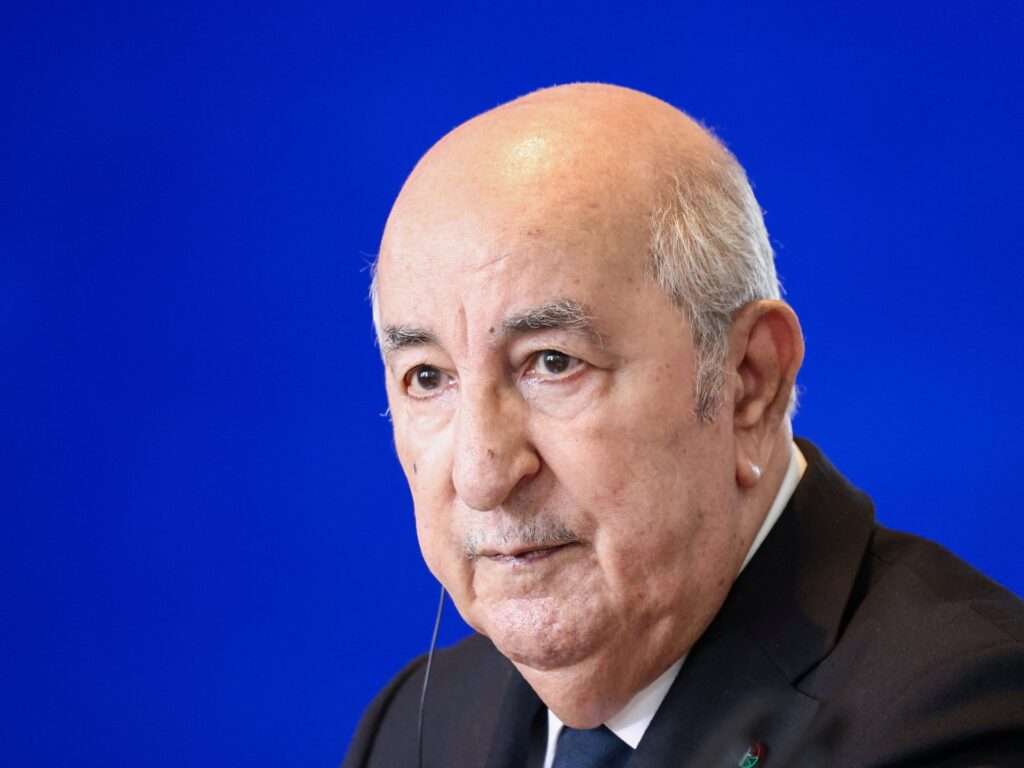
In a significant move marking Algeria’s first international military deployment since 1973, the Algerian President has ordered troops to be sent to neighbouring Niger. This decision comes after a formal request from Niger, aimed at securing shared energy infrastructures that are vital to both countries.
Niger, a landlocked country rich in natural resources, including uranium and oil, has been seeking greater security cooperation with regional allies due to growing instability in the Sahel region. The deployment reflects an effort by Algeria to strengthen regional stability and protect key energy interests that cross their borders.
Historically, Algeria has maintained a policy of non-intervention and focused on internal security, which makes this deployment notably significant. The last time Algerian troops were deployed abroad was in 1973, making this current decision a landmark in the country’s military and foreign policy.
The shared energy interests include pipelines and infrastructural assets that are crucial for both countries’ energy exports and imports. These facilities are vulnerable to attacks from militant groups that have proliferated in the region, posing risks to economic security and energy supply routes.
Algeria’s deployment to Niger demonstrates a strategic pivot towards regional cooperation in combating terrorist threats and ensuring the safe operation of critical energy infrastructure. It also underscores the importance of bilateral relations between the two countries, which have historically been marked by collaboration.
The troop deployment will consist of specialized units trained in counterterrorism and infrastructure protection, prepared to operate alongside Nigerien forces. This joint approach is expected to bolster security and stability in border areas frequently affected by insurgent activities.
International observers have noted that this move could set a precedent for other African nations to follow in mutual defense and security partnerships, particularly as the Sahel faces ongoing security challenges.
For Algeria, the deployment is a balancing act—asserting its role as a regional power while managing domestic considerations about military engagement abroad. The government has emphasized that this action is limited in scope and focused strictly on achieving the mutual goals of protecting national and shared interests.
This deployment is also expected to enhance Algeria’s diplomatic influence in regional affairs, strengthening its position within African Union security frameworks and cooperative agreements.
As the Algerian troops mobilize to Niger, the focus now turns to the operational challenges on the ground. Success here will depend on effective coordination between the two nations’ militaries and the ability to mitigate threats posed by armed groups.
In summary, Algeria’s decision to deploy troops to Niger signals a new phase in its foreign military engagements, driven by the necessity to secure critical energy interests and contribute to regional stability. It marks a historic moment for the country’s defense policy and highlights the evolving security dynamics in the Sahel region.