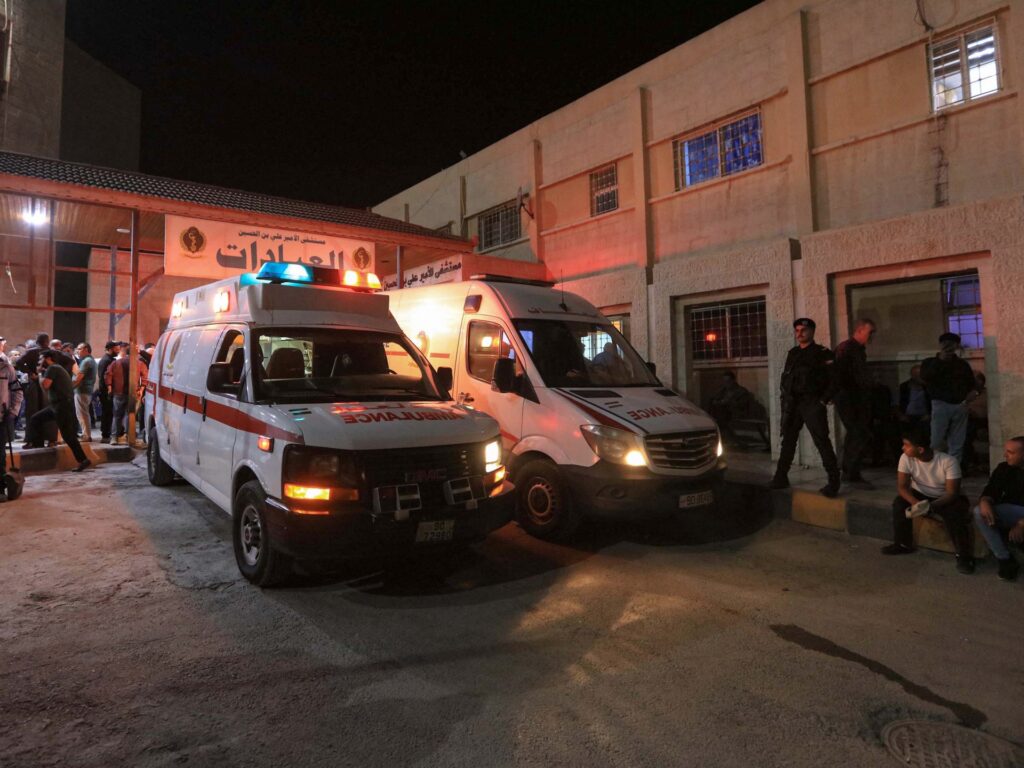
Jordan has launched air strikes into Syria in retaliation for a recent attack on a church that led to casualties. The strikes targeted locations in the Syrian regions of Deraa and Suweyda, resulting in the death of at least seven people, including children. Following the air strikes, Syrian authorities responded by closing their border crossings with Jordan, escalating tensions between the two neighboring countries.
The initial church attack which prompted the Jordanian military response had shocked the international community due to its brutal nature and the targeting of civilians, including religious figures. Jordan’s response through military action highlights the ongoing volatility in the region and the delicate balance of power and security concerns.
In their retaliation, Jordan aimed to eliminate suspected militants and destabilize groups believed to be responsible for the church attack. However, the air strikes, which took place in two different cities—Deraa and Suweyda—have unfortunately resulted in civilian casualties, worsening the humanitarian situation.
The closure of the border crossings by Syria indicates a significant diplomatic strain between Damascus and Amman, with potential implications on trade, travel, and humanitarian access. These border routes are crucial for the movement of people and goods between the two countries, and their shutdown will affect the socio-economic dynamics of the region.
This incident underscores the fragile situation in Syria, where violence and instability remain prevalent, and neighboring countries are directly impacted by the conflict’s spillover effects. As regional actors grapple with security threats and political tensions, the local populations continue to bear the brunt of these confrontations.
International bodies and human rights organizations have called for restraint and dialogue between Jordan and Syria to prevent further escalation. They emphasize the importance of protecting civilians and seeking peaceful resolutions to conflicts instead of military retaliation.
The unfolding events mark a critical point in Jordan-Syria relations, showcasing the complexities of Middle Eastern geopolitics where religious, ethnic, and national identities intersect with geopolitical strategies. The coming days will likely see diplomatic efforts intensified to ease tensions and restore stability along the border.
Efforts to investigate the church attack and hold perpetrators accountable continue, with Jordan asserting its right to defend its citizens and allies. Meanwhile, the humanitarian impact of these military actions remains a growing concern for aid organizations operating in the region.
As the situation develops, the international community watches closely, hoping for a de-escalation and a move towards dialogue and peace building in a region long fraught with conflict and unrest.