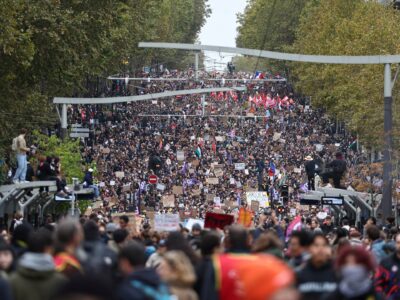
The upcoming elections in Serbia have turned into a critical test for the growing student movement demanding justice for 16 victims believed to be part of a significant incident that has captured national attention. This student movement, characterized by their active social engagement and calls for transparency and accountability, has become a powerful voice in Serbian civil society.
The 16 victims in question represent a tragic case that has shocked the Serbian public and mobilized students across the country into action. Students are using the election period to push for justice and systemic changes within the government and law enforcement agencies to ensure such incidents do not happen again.
Historically, Serbian elections often focus on broader political themes such as economic reform, foreign policy, and governance. However, this year, the student movement has managed to bring social justice and human rights issues to the forefront of public debate. They are leveraging social media platforms, peaceful demonstrations, and dialogues with political candidates to highlight their demands.
The student activists insist that the government must fully investigate the case of the 16 victims and hold those responsible accountable. They call for a transparent legal process and reforms in the justice system to prevent impunity.
This movement is also a test for political parties participating in the election. How they respond to the students’ demands may influence voters’ decisions, particularly among younger demographics who are more engaged with social justice causes.
Observers note that this movement reflects a broader trend in the Balkan region where young people increasingly demand accountability and reforms from their governments. Their activism signals a shift in political engagement, emphasizing moral and ethical governance.
The Serbian government faces pressure not only from the student movement but also from human rights organizations urging prompt action on the victims’ case. International observers have also been monitoring the situation closely, recognizing its potential impact on Serbia’s democratic development.
As the election day approaches, the spotlight remains on how political leaders will address these demands. The student movement’s effectiveness will depend on their ability to maintain unity, gather public support, and influence policy discussions.
In conclusion, the Serbian elections are serving as a critical platform for the student movement advocating justice for the 16 victims. Their activism is reshaping political discourse in Serbia, highlighting the importance of justice and accountability in the country’s future. The outcome of this engagement will likely have lasting implications for Serbia’s social and political landscape.