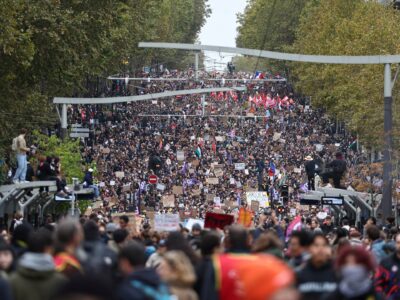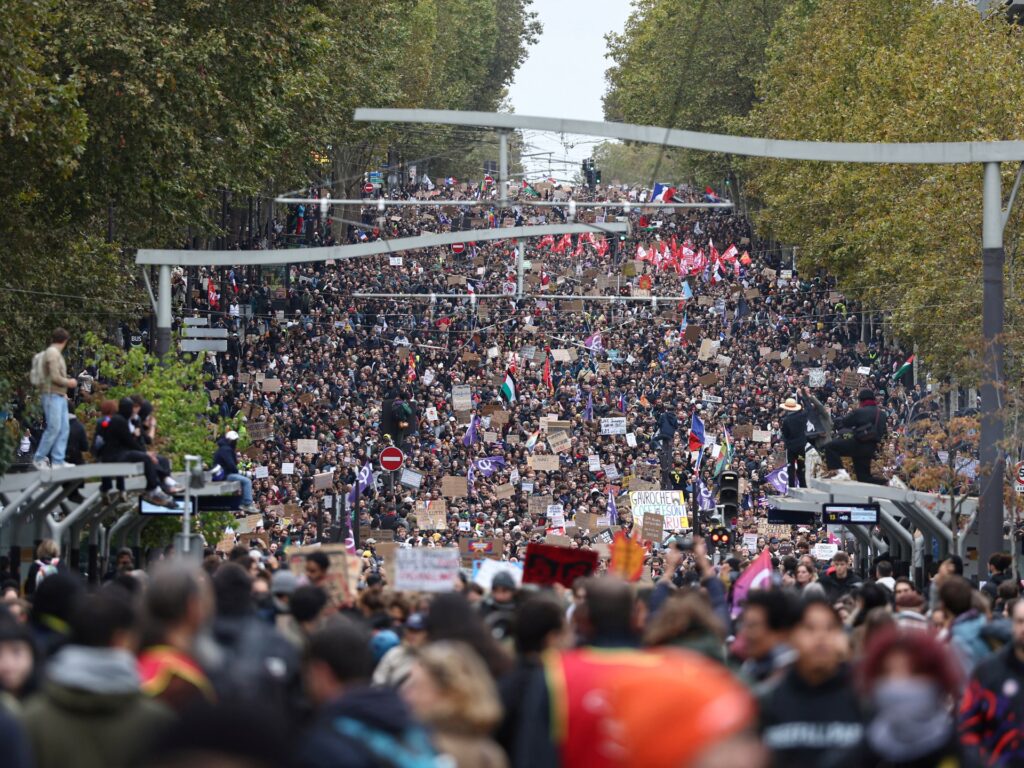
France is currently on high security alert as the nation witnesses another day marked by mass protests across its major cities. The country’s authorities have taken stringent measures by banning several planned marches, aiming to mitigate violence and maintain public order. However, these bans have ignited a strong backlash from various rights organizations and civil liberties groups who argue that the restrictions infringe on the fundamental right to peaceful assembly and free expression.
The protests, which have been ongoing for several days, are rooted in widespread discontent concerning social, economic, and political issues affecting a broad spectrum of French society. Demonstrators have voiced demands for policy reforms, greater social justice, and governmental transparency. These movements have drawn significant attention both domestically and internationally, highlighting the tension between maintaining public safety and upholding democratic freedoms.
In response to the heightened threat levels, the French security forces have deployed additional personnel to key urban centers, including Paris, Lyon, and Marseille. The government has emphasized the importance of preventing escalation and protecting citizens, while simultaneously affirming its commitment to respect civil rights.
Human rights organizations have expressed concern over the preventive bans on marches, noting that prohibiting demonstrations outright could exacerbate tensions and potentially undermine trust in public institutions. They advocate for facilitating peaceful protest activities under controlled conditions rather than imposing blanket bans.
Experts suggest that the situation in France reflects larger global dynamics where governments are balancing security imperatives with the democratic obligations to uphold freedom of expression and assembly. The response from civic groups underlines the critical role of dialogue and negotiation in addressing underlying grievances driving the protests.
As the day unfolds, France remains vigilant. The outcomes of these protests and the government’s handling thereof could have lasting implications on the country’s social fabric and its democratic principles. International observers continue to monitor the events closely, underscoring the importance of protecting human rights even amidst pressing security concerns.
In summary, France faces a complex challenge: preventing disorder without diminishing citizens’ rights to protest and seek change. The ongoing tension highlights the essential balance democratic societies must maintain to navigate periods of civil unrest while preserving core values of freedom and justice.