Amid escalating tensions between Iran and the United States, Iranian officials have issued a stern warning that they will not permit US warships to approach their territorial waters. This statement comes as former President Donald Trump weighs options for new military actions against Iran, intensifying fears of potential conflict.
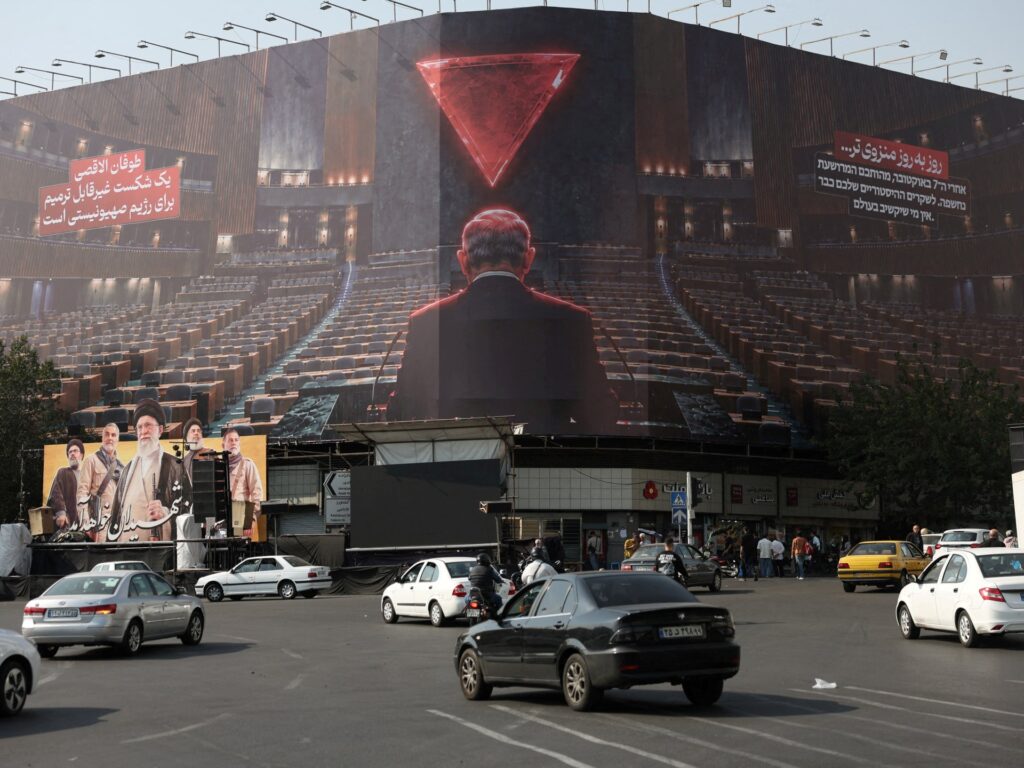
Iranian media and analysts have expressed a growing sense that war is increasingly imminent, reflecting deep-seated anxieties within the nation. Despite this, the consensus among Iranian leadership and commentators is one of steadfast resistance, with clear signals that Iran will not back down in the face of US pressure.
The situation is a part of a broader pattern of hostility that has marked US-Iran relations in recent years, particularly following the US withdrawal from the 2015 nuclear deal and subsequent reimposition of strict sanctions on Iran. Tehran has repeatedly condemned these actions, accusing Washington of aggression and interference in regional affairs.
Iran’s declaration not to allow US warships to get close is a direct response to the continued presence of American naval forces in the Persian Gulf, a strategic waterway vital for global oil shipments. Iranian military officials have underscored their readiness to defend their sovereignty and have repeatedly threatened to retaliate against perceived provocations.
The Trump administration, known for its tough stance on Iran, is reportedly considering new attacks as part of a strategy to curb Tehran’s influence and its nuclear ambitions. This potential escalation has alarmed diplomatic circles and international observers who fear a larger regional conflict could ensue.
Analysts note that Iran’s position is not merely rhetorical but reflects a calculated posture intended to deter US military action. The firm messaging is meant to convey that any aggressive moves by the US would meet with significant resistance, possibly sparking a broader confrontation.
The international community continues to urge restraint from both sides to avoid further destabilization of the Middle East. However, with both Iran and the US entrenched in their positions, the risk of miscalculation and unintended escalation remains high.
Iran’s defiant stance is emblematic of the broader geopolitical struggle between the two nations, where diplomatic efforts have been overshadowed by military threats and mutual distrust. While Iran seeks to project strength domestically and internationally, it also faces the complex challenge of navigating sanctions, economic pressure, and regional rivalries.
The unfolding developments underscore the volatility of the situation and the urgent need for dialogue to prevent conflict. As Iran signals no backing down and Trump contemplates military options, the world watches closely, hoping for a peaceful resolution to one of the most dangerous flashpoints in contemporary international relations.