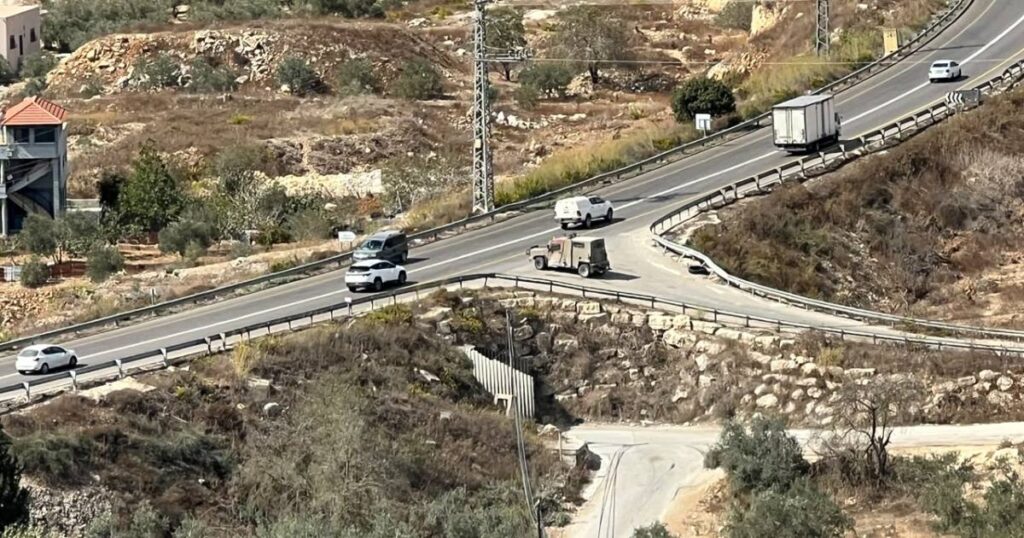
The West Bank village of Madama has been deeply impacted by the establishment of Israeli roadblocks, leading to significant disruptions in daily life for its residents. These obstacles have effectively cut the community off from essential services including schools, medical facilities, and agricultural lands such as olive groves, which are vital to the village’s economy and way of life.
Residents report severe difficulties accessing hospitals, which poses a critical risk to those requiring urgent medical attention. The blockade has also hindered children’s ability to attend schools regularly, affecting their education and future prospects. Furthermore, farmers are unable to reach their olive groves, a crucial source of income and cultural heritage, during the harvest season.
The isolation caused by these roadblocks has compounded the challenges faced by the people of Madama, exacerbating tensions and hardships within the community. Local leaders have expressed concern over the long-term effects on health, education, and economic stability, calling for attention and remedial measures from authorities.
The situation in Madama is reflective of broader issues experienced in the West Bank, where similar blockades and restrictions have been reported in various villages. These measures disrupt normal life, restrict movement, and contribute to an environment of uncertainty and instability for Palestinian residents.
Human rights organizations and international observers have urged Israeli authorities to reconsider the use of roadblocks that sever vital connections to healthcare and education. They advocate for solutions that balance security concerns with the fundamental rights and needs of local populations.
As the residents of Madama continue to cope with these hardships, the broader international community watches closely, emphasizing the importance of dialogue and negotiated solutions to ensure freedom of movement and access to essential services in conflict-affected areas.