As the US prepares for its midterm elections, a new narrative is taking shape around the ongoing conflict involving Iran. Democrats are increasingly framing the foreign policy predicament as a critical economic issue, seeking to sway voters by linking the consequences of the Iran war to everyday affordability challenges faced by Americans.
The backdrop of this political strategy centers on the complex interplay between international conflicts and domestic economic realities. Democrats argue that continued military engagement and escalating tensions with Iran threaten to exacerbate inflation, drive up energy costs, and divert funds from essential social programs—all of which hit average Americans’ wallets hard.
Republican candidates, many of whom receive strong support from former President Donald Trump, are being targeted in campaign messaging that ties their foreign policy stances to economic risks. This approach attempts to paint the opposition as recklessly endangering the nation’s financial stability through hawkish policies.
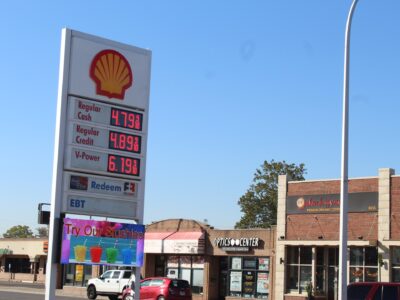
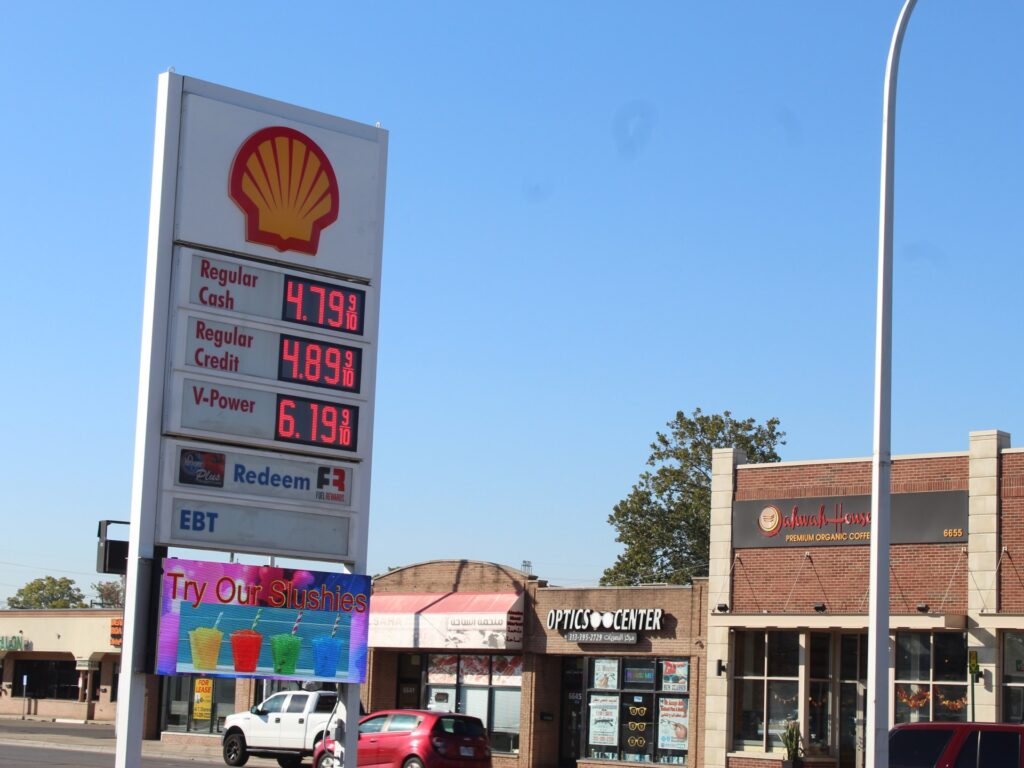
Historically, foreign policy issues have often taken a backseat in midterm elections, which tend to focus more on local and economic matters. However, the current geopolitical climate, alongside soaring gas prices and inflation, has brought international relations to the forefront.
Democrats emphasize their efforts to keep America out of unnecessary wars, contrasting this with Republican calls for a more aggressive stance against Iran. This contrast is designed to resonate with voters struggling with high living costs and economic uncertainty.
Analysts note that this strategy reflects a broader trend of linking foreign affairs directly to domestic concerns, making foreign policy a more tangible issue for the average voter. By framing the Iran conflict as fundamentally about the economy, Democrats hope to mobilize their base and attract undecided voters wary of financial instability.
The messaging highlights potential consequences such as disrupted oil supplies and increased defense spending, which could further constrain budgets for education, healthcare, and infrastructure projects. Voters are encouraged to consider how international decisions directly influence the affordability of goods, services, and energy.
Republicans defend their positions by arguing for the necessity of a strong stance on Iran to ensure security and deter threats, framing their approach as essential for long-term economic stability and national safety. The debate thus encapsulates a fundamental question about the relationship between foreign policy and economic well-being.
As election day approaches, the framing of the Iran war as an economic issue is reshaping campaign dynamics. It underscores the increasing salience of global conflicts in domestic electoral politics and reflects growing voter concern about how foreign affairs impact everyday life.
This evolving narrative highlights how economic anxieties are becoming a lens through which foreign policy is viewed and judged, fundamentally altering the midterm election discourse. Both parties are adapting their strategies accordingly, recognizing the potent influence that the intersection of international conflict and economic wellbeing holds over voter decisions.
In conclusion, the Iran war’s influence extends well beyond military and diplomatic arenas, now playing a pivotal role in defining the United States’ political landscape as citizens weigh the costs of foreign engagement against the pressing need for economic security.