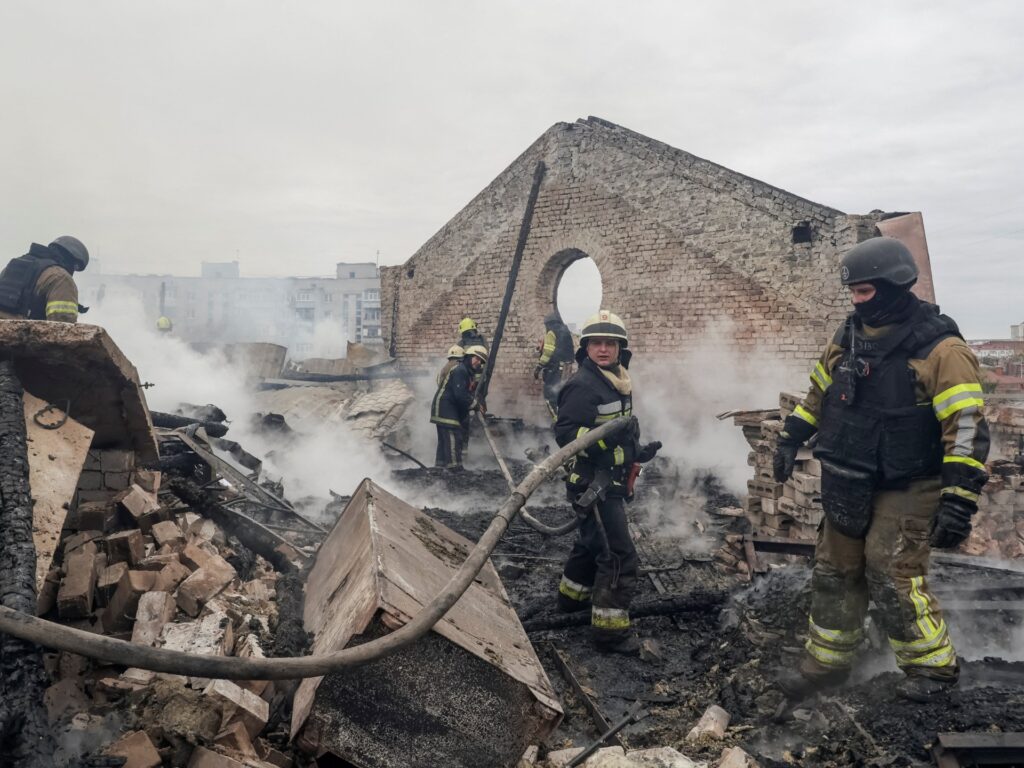
In a recent escalation of the ongoing conflict in Ukraine, Russian forces have deployed cluster bombs in their attacks, intensifying the humanitarian and military crisis in the region. This development comes as the war shows little progress in terms of territorial changes, with Russia’s territorial gains in Ukraine reportedly negligible in the current year. As the situation remains tense, all parties gear up for upcoming trilateral talks involving Ukraine, Russia, and the United States, aimed at discussing the conflict and exploring possible avenues for resolution.
The use of cluster munitions, which scatter smaller bomblets over a wide area, has raised significant concern among international observers and human rights organizations due to their indiscriminate nature and long-lasting threat to civilians. Multiple warnings have been issued globally about the dangers posed by these weapons, making Russia’s recent choice particularly alarming in the context of existing hostilities.
Meanwhile, Ukrainian forces have been actively consolidating their front line defenses, focusing on fortifying positions and stabilizing key areas to withstand further Russian advances. Despite intense fighting, Ukraine’s defensive maneuvers appear effective in preventing any meaningful territorial loss or gain by Russian troops.
The stasis on the battlefield suggests that Russia’s strategic objectives have encountered significant resistance, leaving the conflict in a deadlock situation as both sides prepare for diplomatic engagement. The impending trilateral talks involving Kyiv, Moscow, and Washington suggest a shift toward negotiation amid prolonged warfare. This diplomatic initiative is seen as critical for de-escalating tensions and possibly paving the way for a ceasefire or peace agreement, although challenges remain given the complex geopolitical interests at stake.
International reactions have been mixed, with many Western countries condemning Russia’s use of cluster bombs as a violation of international law and calling for accountability. Humanitarian groups have emphasized the urgent need for safe corridors and support for affected civilian populations. Concurrently, the stability achieved by Ukrainian forces on the frontline is viewed as a testament to their resilience and strategic planning under adverse conditions.
As the trilateral talks approach, the world watches closely, hoping for meaningful progress that could mitigate the ongoing violence and address the humanitarian crisis. The coming weeks could be pivotal in determining whether diplomatic efforts can break the deadlock and set a path toward eventual resolution.
In conclusion, the conflict between Russia and Ukraine remains one of the most pressing security crises in Europe, marked by brutal warfare, strategic stalemates, and a fragile hope for peace through diplomacy. The deployment of cluster bombs represents a dangerous escalation with severe humanitarian consequences, while Ukraine’s consolidation of its frontline demonstrates both resilience and the high stakes involved. The success of the upcoming trilateral talks may well shape the future trajectory of the conflict and the stability of the region for years to come.