Finland is on the verge of inaugurating the world’s first permanent nuclear waste repository, marking a significant milestone in nuclear waste management globally. While various countries have been developing facilities to handle nuclear waste, Finland stands out as the first to officially license an underground storage facility dedicated to this purpose.
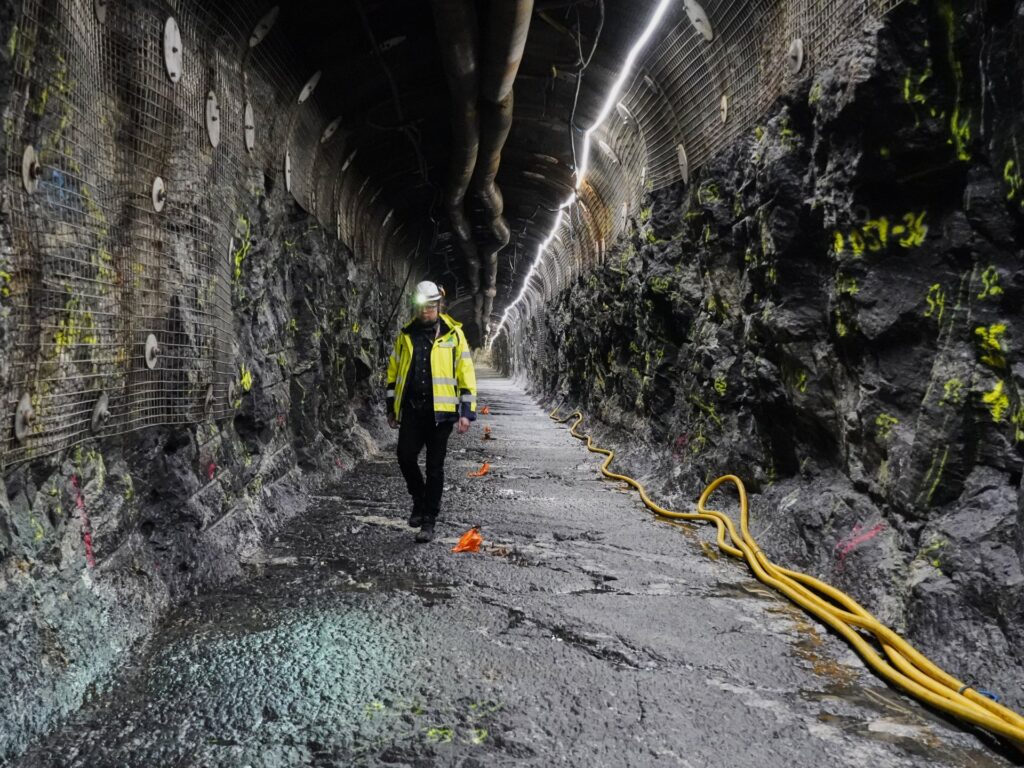
The facility, built deep underground, is designed to store spent nuclear fuel safely for thousands of years, preventing any hazardous material from harming the environment or public health. The decision to utilize a geological repository underscores Finland’s commitment to sustainable and responsible nuclear energy use.
Construction of the repository has been meticulous, involving extensive research and testing to ensure the site’s geological stability and the technology’s efficacy. This approach addresses the long-term challenges that nuclear waste presents, including containment, environmental protection, and security.
Finland’s initiative paves the way for other countries struggling with nuclear waste disposal solutions. By securing a licensed permanent repository, Finland not only enhances its energy infrastructure but also sets a precedent for international nuclear waste policy.
The facility’s licensing process involved rigorous safety assessments by regulatory bodies to confirm compliance with environmental laws and safety standards. This thorough certification provides reassurance to both the Finnish public and global community about the repository’s safety.
Once operational, the repository will greatly reduce the risks associated with storing nuclear waste in temporary or less secure locations. It is expected to serve as a model for future repositories worldwide, demonstrating the feasibility and safety of permanent underground storage.
Experts highlight that the success of Finland’s repository has implications beyond national borders, encouraging global collaboration and knowledge-sharing on nuclear waste management strategies. The Finnish example underscores the importance of long-term planning, technological innovation, and robust regulatory frameworks in addressing one of the most challenging aspects of nuclear energy.
In conclusion, Finland’s near completion of the world’s first licensed permanent underground nuclear waste repository represents a monumental achievement in environmental safety and nuclear technology. This initiative promises safer nuclear waste management practices and could influence international standards, helping reduce nuclear waste risks on a global scale.