In response to a recent violent shootout in Hebron, Israel is preparing a comprehensive lockdown of the occupied West Bank. This measure reflects escalating tensions and a deterioration of security conditions across Palestinian territories.
The incident in Hebron, a flashpoint city in the West Bank, involved a gunfight that further exacerbated an already volatile situation. The confrontation has led to increased security concerns from Israeli authorities who see a clampdown as necessary to restore order.
This decision to enforce a full lockdown comes amid heightened violence and unrest sparked by recent Israeli pogroms. These aggressive actions have heightened tensions between Israeli forces and Palestinian residents, contributing to widespread violence and unrest spreading across the region.
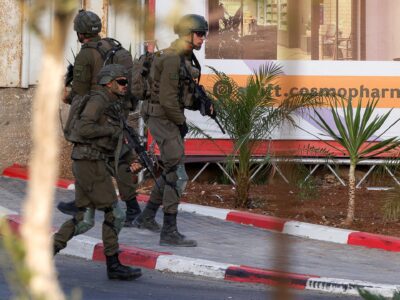
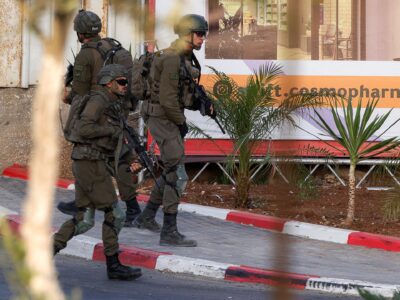
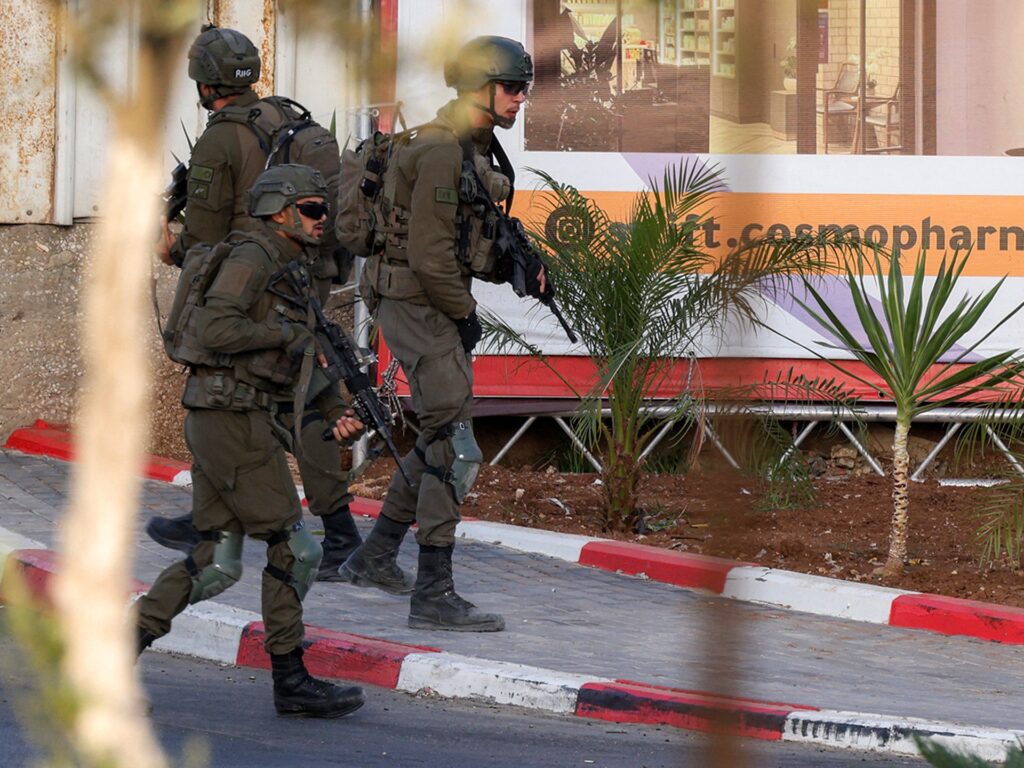
The lockdown will likely involve extensive restrictions on movement for Palestinians within the West Bank, potentially including closures of roads, checkpoints, and limits on access to essential services. Israeli officials argue that these measures are crucial to prevent further violence and maintain control.
However, this approach has raised significant concerns among Palestinian leaders and human rights organizations. Critics argue that the lockdown will further restrict Palestinians’ freedom, exacerbate humanitarian issues, and harm the everyday lives of millions of people.
The escalation underscores the ongoing cycle of violence and retaliation between Israelis and Palestinians in the occupied territories. The West Bank has long been a center of friction, with repeated clashes, military operations, and protests.
International observers have called for de-escalation and a return to dialogue to resolve the conflict peacefully. The continued clampdown risks fueling further resentment and violence, diminishing the prospects for a negotiated settlement.
As Israeli forces prepare for the lockdown, the humanitarian situation in Palestinian communities is expected to worsen, with potential disruptions to healthcare, education, and economic activity.
The situation remains fluid, with potential for further confrontation if tensions continue to mount. This latest development illustrates the fragile and volatile state of the Israeli-Palestinian conflict, highlighting the urgent need for renewed peace efforts and attention to human rights considerations.
In summary, the planned full lockdown of the West Bank by Israeli authorities following the Hebron gunfight marks a significant escalation in the conflict. It symbolizes the broader struggles and ongoing violence that continue to define life in the occupied Palestinian territories, demanding careful international attention and a robust response to prevent further deterioration.