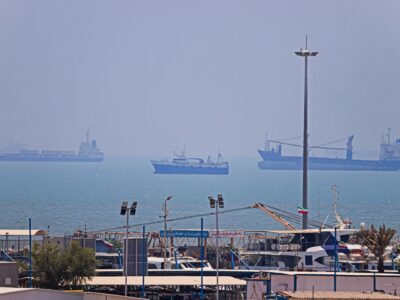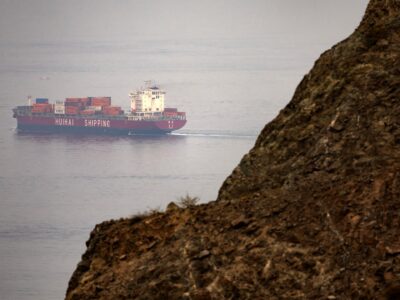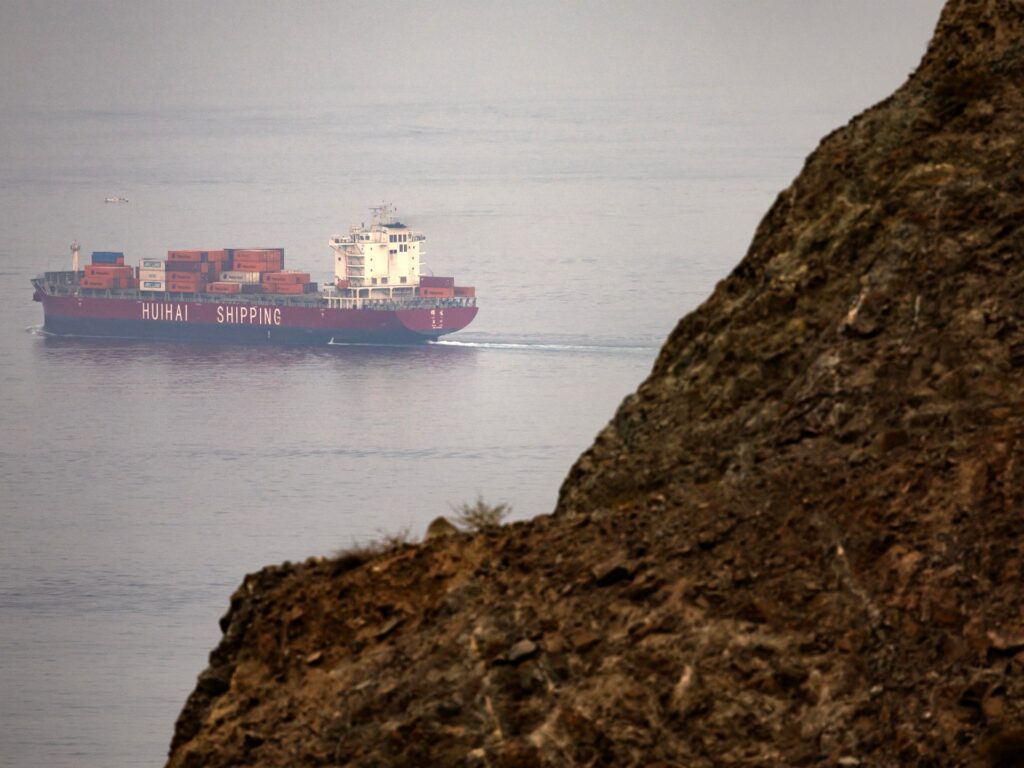
In a significant diplomatic move amid escalating tensions in the Middle East, foreign ministers from European and Middle Eastern countries have gathered in Istanbul for high-stakes security talks. The primary agenda centers on the Strait of Hormuz, a vital maritime chokepoint through which a significant portion of the world’s oil exports pass, and broader regional crises.
The meeting comes against the backdrop of heightened conflict risks involving Iran and its neighbors, which have global implications for security and energy markets. Istanbul, situated strategically between Europe and Asia, serves as a neutral ground facilitating dialogue between diverse stakeholders with varying interests in the region.
European foreign ministers have expressed a strong commitment to stabilizing the situation in the Middle East, emphasizing the importance of safeguarding freedom of navigation in the Strait of Hormuz. They underscored their concerns over recent aggressive maneuvers by Iranian forces that threaten maritime traffic and global energy security.
Middle Eastern counterparts, including representatives from Gulf countries, reiterated their security concerns, seeking assurances and cooperative mechanisms to deter escalation and manage crises effectively. These discussions also aim to address other pressing issues such as the ongoing conflicts in Syria and Yemen, and the political instability affecting Lebanon and Iraq.
The talks are expected to explore avenues for enhanced maritime security cooperation, intelligence sharing, and coordinated diplomatic efforts to de-escalate tensions. Participants are keen on crafting a collaborative framework that could prevent further military confrontations and foster regional stability.
In addition, the ministers discussed the potential impact of international sanctions and economic measures on peace prospects, considering the delicate balance between pressure and dialogue with Tehran. The meeting highlights a shared recognition of the interconnected nature of security challenges in the region.
This round of talks is part of ongoing international efforts to address one of the most volatile and strategically critical areas in the world. Observers note that successful diplomatic engagement here could not only reduce the risk of armed conflict but also ensure uninterrupted energy supplies and promote broader geopolitical stability.
As the talks progress, stakeholders remain cautiously optimistic that this high-level engagement could pave the way for a sustained dialogue and tangible progress toward peace and security in the Middle East. The outcomes of the Istanbul meeting are anticipated to influence subsequent international diplomatic initiatives and policy decisions in the coming months.