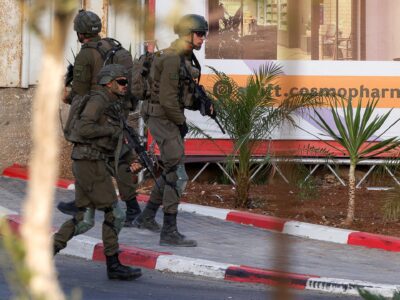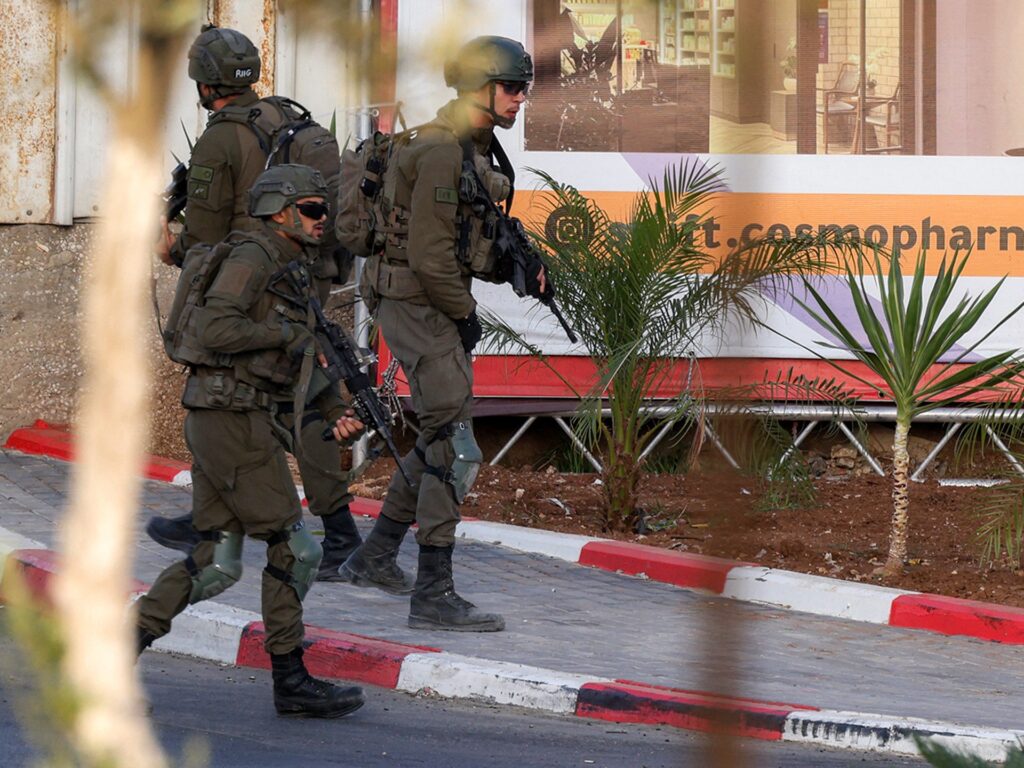
In a rapidly escalating situation in the West Bank, Israeli military forces engaged in a deadly gun battle in Hebron, resulting in the deaths of two individuals. This violent confrontation is part of a broader surge in hostilities marking recent weeks, reflecting deepening tensions across Palestinian territories.
The incident took place in Hebron, a flashpoint city long marked by strife between Israeli forces and Palestinian residents. The gunbattle broke out when Israeli troops encountered armed individuals, leading to a shootout that ended with two fatalities. Specific details about those killed—whether they were militants, civilians, or otherwise—have not yet been fully disclosed.
This tragic event underscores the volatility of the situation in the West Bank, where violence has intensified following a series of incidents described by many as Israeli pogroms. These actions have significantly heightened the sense of insecurity and anger among Palestinian communities.
The term ‘pogrom’ here refers to violent riots and military crackdowns that have disproportionately targeted Palestinians, resulting in widespread allegations of human rights violations. Such actions have deepened the divide and fueled animosity in a region already fraught with longstanding conflict.
The Hebron clash is symptomatic of the larger trend of increased violence in the West Bank, a region that has seen repeated confrontations between Israeli security forces and Palestinian residents or militants. These confrontations often spiral into larger-scale violence, disrupting lives and destabilizing the fragile socio-political landscape.
International observers and numerous human rights organizations have expressed alarm over the rising level of violence and called for restraint from all parties involved. The hope is to prevent further bloodshed and to encourage dialogue that might pave the way toward a more sustainable peace.
Israeli officials have stated that their actions in Hebron and other parts of the West Bank are measures aimed at ensuring security and preventing attacks on Israeli civilians. However, critics argue that these security operations often result in disproportionate harm to Palestinian civilians and exacerbate tensions.
The deaths in Hebron have ignited protests and condemnation from Palestinian leaders, who denounce the killings as unjustified aggression. Demonstrations have erupted across Palestinian territories, reflecting widespread frustration and despair over the ongoing violence.
The situation remains highly volatile, with analysts warning that the cycle of violence may continue unless there is a concerted effort from both Israeli and Palestinian leadership to engage in meaningful negotiations.
The recent spike in hostilities is a stark reminder of the urgent need for renewed diplomatic efforts. Without addressing the root causes of conflict and implementing measures for coexistence and mutual respect, the West Bank is likely to endure further suffering.
Communities on both sides live under the shadow of violence, with daily life disrupted by fear and uncertainty. The international community’s role in mediating and supporting peace efforts remains critical at this juncture.
As tensions soar, the dialogue between Israelis and Palestinians is essential to halt the cycle of violence and build a foundation for future coexistence, recognizing the rights and aspirations of both peoples.
The tragic events in Hebron mark yet another chapter in the ongoing conflict, underscoring the urgent need for compassion, understanding, and dialogue amidst difficult circumstances. Only through these means can a durable peace be envisioned for the land so deeply scarred by decades of discord.