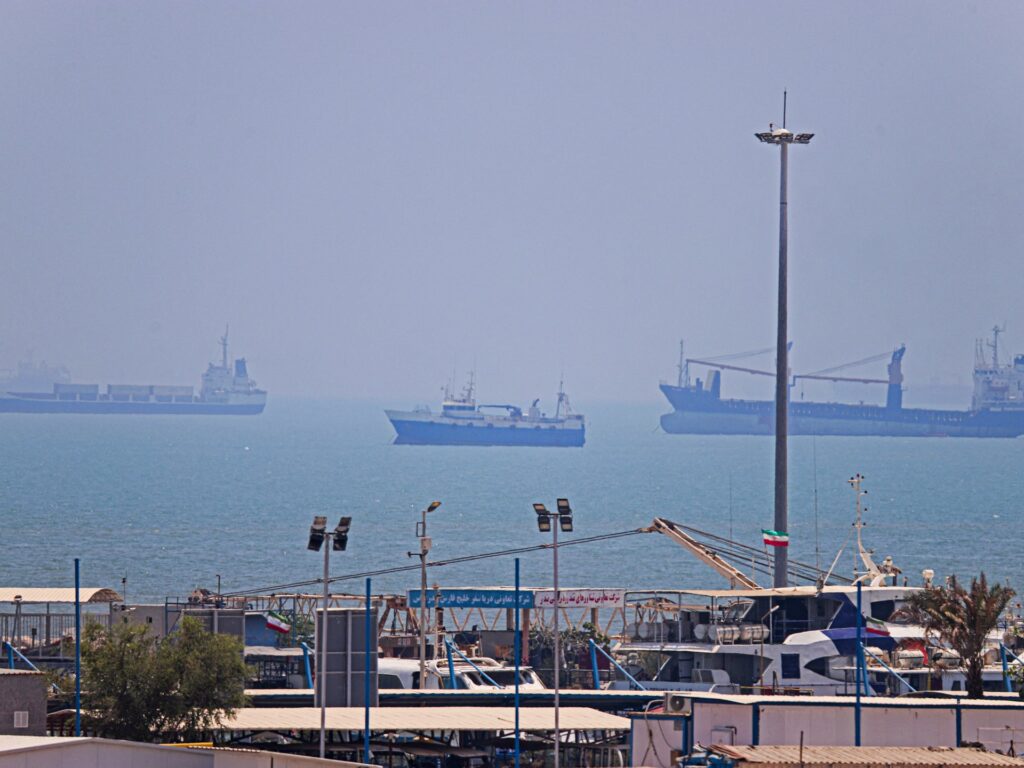
In the wake of escalating tensions between the United States and Iran, concerns are mounting over the sufficiency of global oil reserves to withstand the impact of a potential conflict. Experts warn that the strategic Strait of Hormuz, a vital chokepoint through which a significant portion of the world’s oil supply passes, could face closure or disruption, severely affecting global energy markets.
Currently, emergency oil stocks worldwide are at multidecade lows, raising alarms about the world’s capacity to absorb any substantial supply shocks. Analysts suggest that in the event of a blockade or a shutdown of the Strait of Hormuz, global reserves may only sustain the oil demand for a month or two before a critical shortage ensues.
The Strait of Hormuz is pivotal for global energy security, facilitating nearly 20% of the world’s traded oil. A disruption here would immediately constrict global supply, causing spikes in oil prices and potentially triggering economic instability. The situation is compounded by geopolitical uncertainty and the fragile state of emergency reserves.
Countries maintaining strategic petroleum reserves are often the first line of defense against such supply disruptions. However, these reserves have been depleted over recent years due to various factors, including previous geopolitical crises and increased consumption. The International Energy Agency (IEA) and other monitoring bodies have highlighted the vulnerability of current stockpiles under a renewed conflict scenario.
If tensions escalate into a renewed US-Iran war, the global oil market could face severe volatility. Reduced supply, combined with already tight inventories, could lead to significant price hikes, impacting the cost of goods, transportation, and overall inflation worldwide.
Energy analysts emphasize the critical need for diplomatic efforts to prevent conflict and for countries to seek alternative supply routes or increase production from more stable regions. Additionally, investment in renewable energy and energy efficiency is urged to reduce reliance on volatile fossil fuel markets.
The coming months are crucial as diplomatic negotiations, and strategic decisions will shape the resilience of global oil supplies. Without rapid action and effective crisis management, the world faces a precarious energy future amid the geopolitical strife surrounding US-Iran relations.