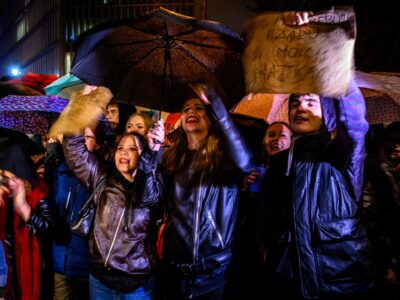
As the 2026 US midterm elections approach, there is growing concern among rights groups about the potential involvement of Immigration and Customs Enforcement (ICE) agents in the electoral process. ICE, known for its central role in enforcing immigration policies and as a key component of former President Donald Trump’s immigration crackdown, has stirred controversy and fear among immigrant communities.
Rights organizations worry that ICE’s actions could influence the outcome of the elections, particularly if agents engage in enforcement activities that could suppress voter turnout, especially in communities with large immigrant populations. The fear is that heightened ICE presence or increased raids around polling locations might intimidate voters, discourage participation, or even prevent some from reaching the polls.
These concerns reflect broader anxieties about the intersection of law enforcement and voting rights. Critics argue that the agency’s operations could be used as a tool to sway elections by targeting demographics that traditionally vote for certain political parties.
ICE agents have wide-ranging authority to detain and deport undocumented immigrants, which can create an atmosphere of fear and uncertainty. If such enforcement actions coincide with election day or the voting period, it could unfairly affect the ability of qualified voters, particularly legal residents and citizen family members of immigrants, to participate in the democratic process.
Election officials and civil rights advocates emphasize the importance of ensuring safe and accessible voting environments, free from intimidation by any law enforcement body. They are urging federal and state authorities to clarify the role of ICE agents during the electoral period and to safeguard the voting rights of all eligible citizens.
Meanwhile, proponents of ICE’s current mission argue that enforcing immigration laws is separate from election administration and that there is no indication ICE will alter its activities specifically around election time for political purposes.
However, the spotlight remains on the agency, especially given its controversial past and the political tensions surrounding immigration policy. Monitoring how ICE operates during the 2026 midterms will be crucial to address any potential infringements on voting rights and to maintain public confidence in the electoral process.
In conclusion, while ICE agents have not been officially designated to play a specific role in the 2026 midterm elections, the concerns voiced by rights groups highlight the need for vigilance. Ensuring that immigration enforcement does not interfere with voters’ ability to participate freely in elections remains a significant issue as the nation approaches this critical political event.