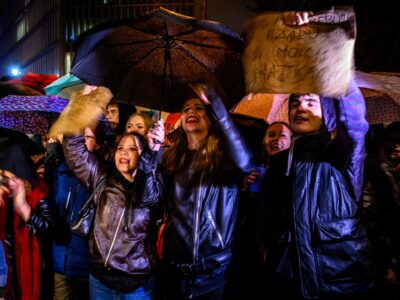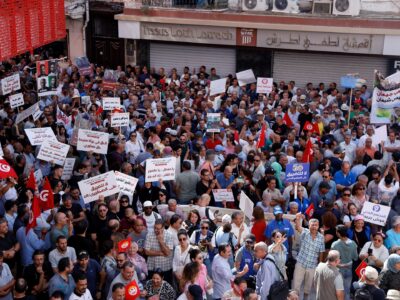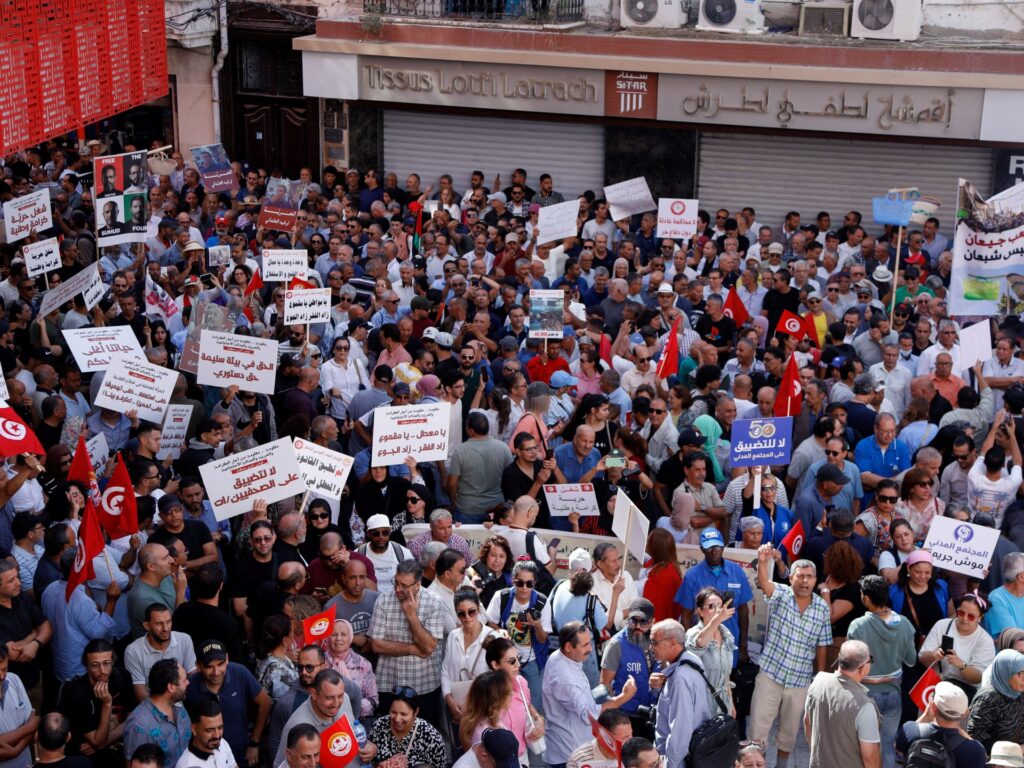
In an uncommon display of turmoil, the Tunisian capital has witnessed significant unrest as police forces clashed with protesters. These demonstrations have erupted in several cities across Tunisia, highlighting the escalating economic, social, and political crises gripping the nation.
The protests, which began amid growing public frustration, reflect widespread dissatisfaction with the government’s handling of economic challenges, including soaring inflation, unemployment, and a decline in public services. Many citizens have expressed grievances over the deteriorating quality of life, lack of job opportunities, and increasing poverty levels.
Political instability further compounds the situation. Tunisia, which had been hailed as a beacon of hope following its 2011 revolution and subsequent democratic transition, is now grappling with internal divisions and governance challenges. The government has faced criticism for perceived mismanagement and failure to implement effective reforms.
The unrest in the capital, unusual in its scale and intensity, has seen clashes between police and demonstrators demanding political accountability and economic relief. Reports indicate that security forces used tear gas and baton charges to disperse crowds attempting to block roads and government buildings.
Protestors include a cross-section of society, from unemployed youth and labor union members to activists and ordinary citizens. The demonstrations underscore the disillusionment among many Tunisians who had hoped for sustained improvements after the revolution.
International observers have expressed concern over the recent developments, urging all parties to exercise restraint and engage in dialogue to address the underlying issues. The situation poses a test for Tunisia’s fragile democratic institutions and social cohesion.
Efforts to stabilize the economy have been sluggish, with the government negotiating financial aid and seeking to implement reforms to attract investment and reduce fiscal deficits. However, these measures have yet to translate into tangible benefits for the population, fueling further public anger.
The protests are also placing pressure on political leaders to accelerate reforms and address systemic issues such as corruption, unemployment, and inequality. Civil society organizations have called for inclusive dialogues to find sustainable solutions to the country’s multifaceted crises.
As Tunisia navigates this turbulent period, the international community watches closely, recognizing the country’s strategic importance in North Africa and its symbolic role in the Arab Spring. The coming weeks will be critical in determining whether Tunisia can overcome these challenges and restore stability and hope to its citizens.