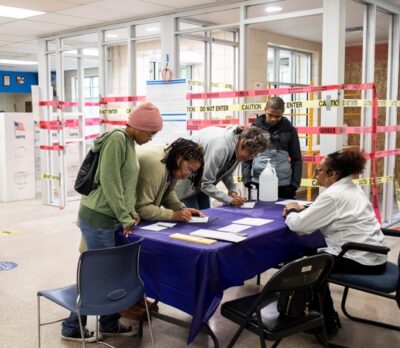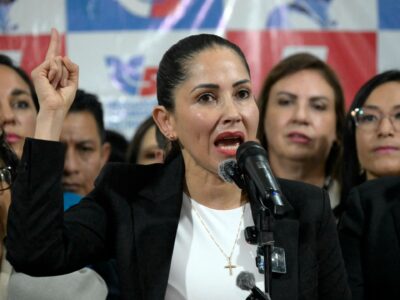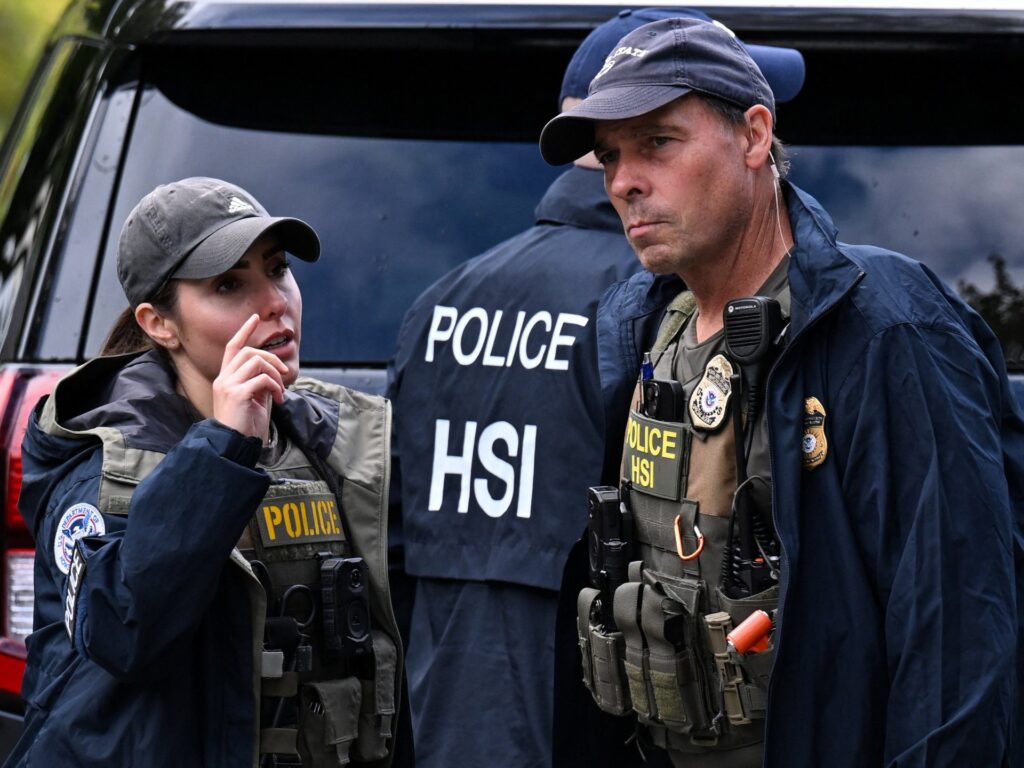
A US federal judge has recently issued an injunction blocking federal operations designed to identify non-citizen voters, a move that underscores the ongoing tension between efforts to secure election integrity and concerns about voter intimidation. The Department of Homeland Security (DHS) had initiated investigations into alleged voter fraud in nine states, focusing primarily on identifying individuals who might have voted without citizenship status, which is illegal. However, critics argue that these investigations serve to intimidate legitimate voters and suppress voter turnout, especially among minority communities.
The legal challenge brought before the judge questioned the scope and methods employed by DHS in conducting these investigations, claiming that they overstepped legal boundaries and risked undermining the fundamental right to vote. Opponents assert that the tactics used, including aggressive surveillance and data collection, have a chilling effect on voter participation and sow distrust in the democratic process.
In response to these concerns, the court granted a temporary block on the federal operations pending further review, signaling the judiciary’s willingness to scrutinize the balance between election security and protecting voter rights. This development follows a broader national conversation about election integrity versus voter suppression, with states and federal agencies often at odds over jurisdiction and strategy.
The nine targeted states, which have diverse populations and varying histories of voter engagement, became focal points for these investigations due to reported irregularities and political pressures to ensure accurate voter rolls. Proponents of the investigations claim that verifying voter eligibility is crucial to maintaining fair elections, particularly in light of increased absentee and mail-in voting since the COVID-19 pandemic.
However, civil rights organizations have voiced strong opposition, pointing to historical patterns where efforts to clamp down on non-citizen voters have disproportionately affected minority groups and communities of color. They warn that such operations can deter eligible voters from registering or casting their ballots, thus weakening democratic participation.
The DHS has defended its initiative by emphasizing the importance of safeguarding elections from fraud but has not commented on the court’s recent decision to block its operations. Meanwhile, legislators and advocacy groups continue to debate the best path forward, balancing the goals of election security with robust voter access.
As legal proceedings continue, this case highlights the complex interplay between law enforcement, election officials, and voters in the ongoing effort to uphold electoral integrity while ensuring that every eligible citizen’s voice is heard. The outcomes of these investigations and subsequent court rulings are likely to shape election policies and enforcement practices in the upcoming election cycles across the United States.