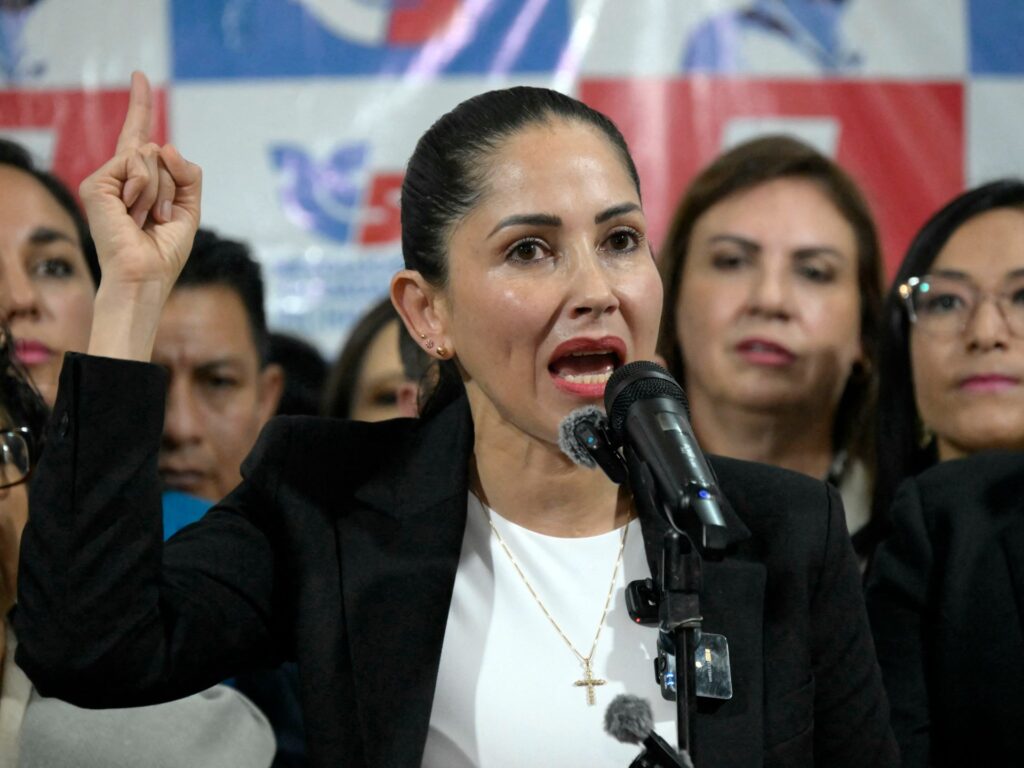
In a significant political development in Ecuador, opposition leader Luisa Gonzalez has been arrested as part of an ongoing investigation into campaign finance irregularities. Gonzalez, who heads the Citizen Revolution Movement, faces allegations that have raised eyebrows and sparked a fierce debate across the nation.
The arrest comes amid heightened political tensions as Ecuadorary approaches crucial elections, underscoring the charged atmosphere in which the country’s democracy operates. Authorities have stated that the probe aims to clarify potential violations of campaign finance laws, which are designed to ensure transparency and fairness in the electoral process.
Gonzalez’s detention has been met with immediate and vehement resistance from her party and supporters. The Citizen Revolution Movement has labeled the arrest as politically motivated, alleging that the charges are an attempt to undermine her candidacy and weaken the opposition’s standing in the electoral race.
Supporters of Gonzalez have organized protests calling for her immediate release, emphasizing the need for judicial independence and warning against any actions that could be perceived as manipulating the electoral landscape. The movement insists that the justice system should operate free from political influence and that due process must be observed.
Analysts suggest that the arrest reflects broader struggles within Ecuador’s political sphere, where controversies surrounding campaign finance and corruption have repeatedly triggered unrest and concern. The government’s commitment to investigating such issues has been both praised for promoting accountability and criticized for potential selective enforcement.
Gonzalez’s political career has been marked by advocacy for social reforms and opposition to current government policies, which has positioned her as a key figure in Ecuador’s opposition arena. Her arrest has therefore drawn international attention, with calls from human rights organizations urging that her rights are respected and that any legal proceedings comply with international standards.
As the investigation unfolds, the implications for Ecuador’s political future remain uncertain. The arrest of a leading opposition figure at such a critical time could reshape alliances and voter sentiments, influencing the outcome of upcoming elections.
The government has pledged transparency in the investigation and encouraged citizens to trust in the judicial process. Meanwhile, the opposition vows to continue its campaign efforts unabated, asserting that political expression and participation must not be curtailed through judicial actions.
This latest episode highlights the fragile and dynamic nature of Ecuador’s democratic processes and the ongoing challenges surrounding electoral integrity and political competition. Observers both within the country and internationally will be closely monitoring the developments, hoping for a resolution that upholds justice, fairness, and democratic principles.