In recent political discourse, there has been a noticeable shift in the stance of the Republican Party on several key issues that once energized former President Donald Trump’s supporters and the broader MAGA movement. Topics that were once central talking points, such as the Jeffrey Epstein scandal, Iran policy, and the populist call to “drain the swamp,” seem to be less emphasized or have evolved in their treatment within Republican rhetoric.
The Epstein case, which in the past served as a major discussion point highlighting corruption and elite misconduct, has seen reduced prominence among Republican leaders. This shift suggests a possible strategic repositioning, perhaps to avoid contentious territory or to focus on other priorities as elections approach.
Similarly, on foreign policy, particularly regarding Iran, traditional Republican hawkishness has taken nuanced turns. While hardline stances remain, the messaging around Iran appears more measured compared to the aggressive rhetoric that characterized Trump’s tenure. This could reflect a recalibration towards diplomacy or practical engagement in light of changing global dynamics.
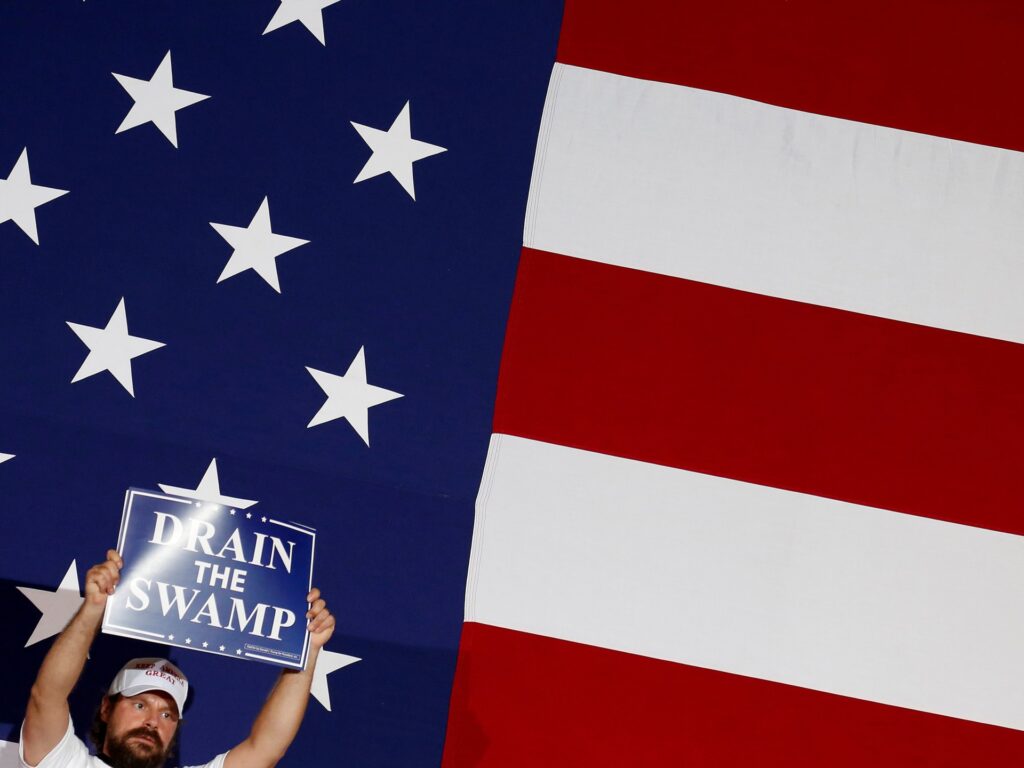
The slogan “drain the swamp,” once a rallying cry against entrenched political and bureaucratic corruption, also reveals signs of transformation. While still invoked, it no longer dominates campaign rhetoric as a central theme. The phrase’s initial appeal tapped into widespread public frustration with Washington politics, but as political narratives evolve, the intensity of this theme has somewhat diminished.
These shifts suggest that the Republican Party is adapting its messaging and possibly its policies to resonate with a broader or changing voter base. It raises questions about the durability of the Trump-era populist agenda and the party’s strategic direction heading into future elections.
Political analysts note that such changes are not unusual as parties seek to balance core supporters’ expectations with the need for wider electoral appeal. However, the shift away from certain signature issues could also risk alienating the MAGA base, potentially complicating party unity.
Ultimately, the evolving Republican narrative reflects the complex and dynamic nature of American politics, where issues gain and lose prominence based on current events, public sentiment, and political calculations. As voters approach upcoming elections, how effectively the party communicates its priorities and addresses key concerns will be crucial to its success and cohesion.