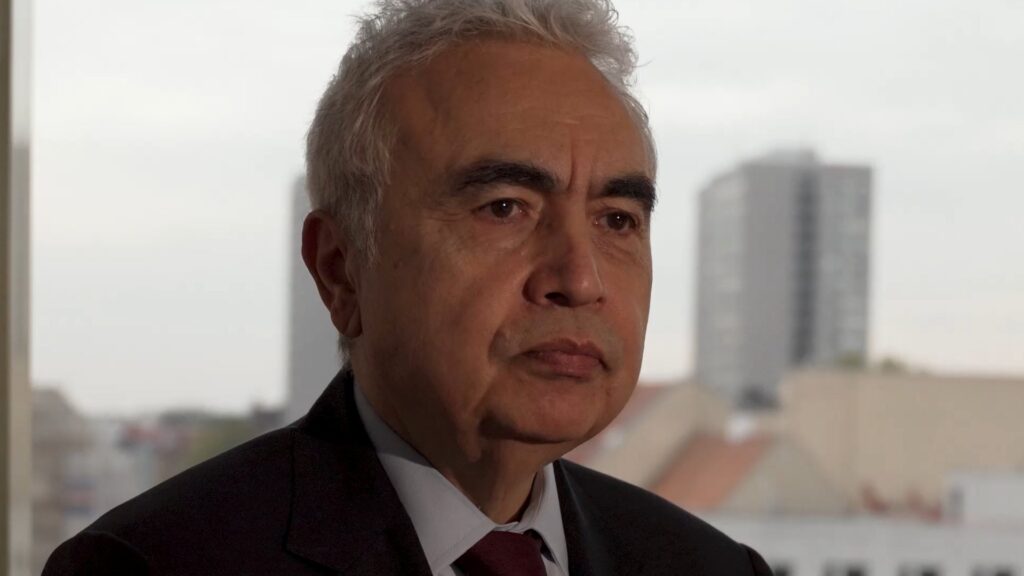
Dr. Fatih Birol, Executive Director of the International Energy Agency (IEA), has sounded a crucial warning about the evolving role of energy in global geopolitics. According to Birol, energy resources, which have long been critical to economic development and international relations, are increasingly being used as geopolitical weapons. This shift poses significant risks to global stability and security.
In recent years, the control and distribution of energy supplies have emerged as powerful levers in diplomatic and strategic confrontations among countries. The increasing reliance on energy imports and exports means that nations can exert pressure or impose sanctions by restricting energy flows or manipulating energy prices. Dr. Birol emphasized that this weaponization of energy exacerbates geopolitical tensions and can disrupt global markets, impacting economies worldwide.
The current geopolitical landscape has witnessed examples where energy has been leveraged to influence political outcomes, including disputes over natural gas supplies in Eastern Europe and oil production cuts coordinated among major producers. These developments underscore the vulnerability of countries heavily dependent on single energy sources or specific suppliers.
Dr. Birol called for enhanced international cooperation to ensure energy security and stability. He highlighted the importance of diversifying energy sources, investing in renewable energy, and building resilient infrastructure to mitigate the risks associated with energy geopolitics. Additionally, transparent and predictable energy policies are essential to foster trust and reduce uncertainties in global energy markets.
The IEA’s warning comes at a time when the world is also grappling with the urgent need to transition to cleaner energy amid climate change challenges. Balancing energy security with sustainability goals presents a complex challenge for policymakers.
Experts argue that addressing the geopolitical implications of energy requires a holistic approach, integrating energy policy with foreign policy and national security strategies. Dr. Birol’s message serves as a timely reminder of the critical nexus between energy and geopolitics and the need for concerted global efforts to navigate this evolving landscape safely and sustainably.
In conclusion, energy is no longer just a commodity but a strategic instrument in international relations. The warnings from the IEA chief highlight the urgency for nations to rethink their energy strategies to avoid conflict and ensure a stable and prosperous global future.