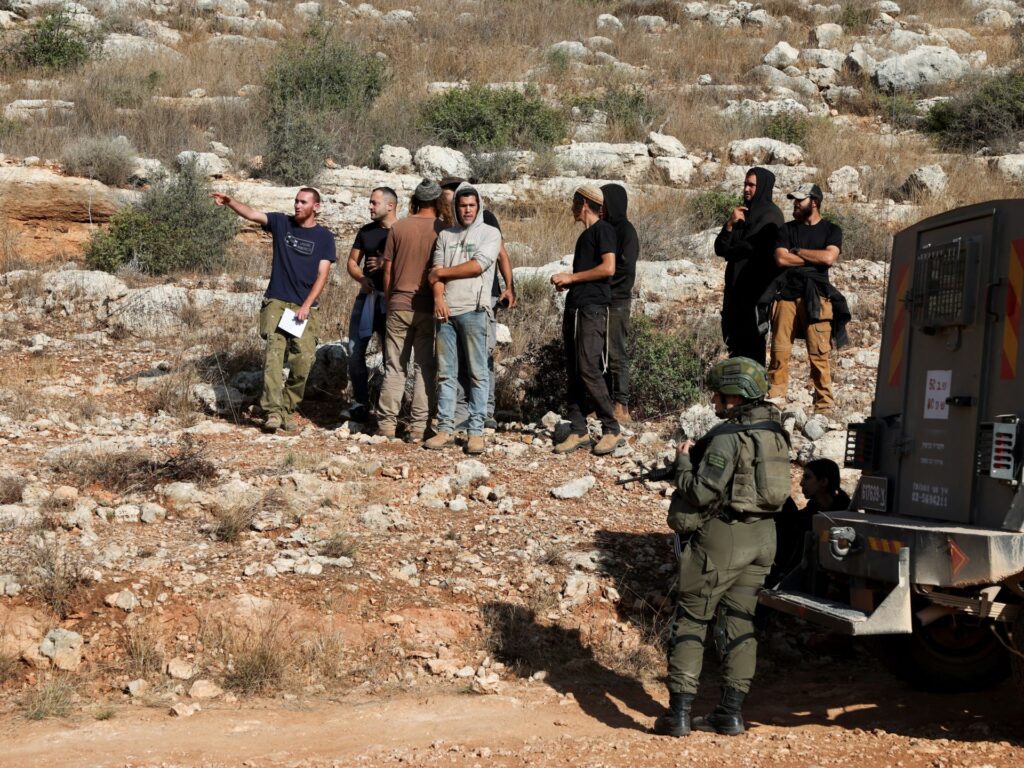
In a recent development that has heightened tensions in the West Bank, an Israeli court has released nine suspects believed to be involved in attacks by settlers. These incidents have sparked intensified violence and unrest in the region, often described as pogroms by affected communities and observers.
The attacks in question involve settler groups accused of targeting Palestinian villages and individuals, leading to injuries, property damage, and increased fear among local populations. The West Bank has long been a flashpoint of conflict, with frequent clashes between Israeli settlers, Palestinians, and security forces.
The release of these suspects comes as investigations into the recent surge of violent assaults continue. Israeli authorities face criticism from various quarters, including human rights organizations and Palestinian leaders, who argue that settler violence is often overlooked or inadequately prosecuted.
The court’s decision to set the suspects free has been met with mixed reactions. Supporters argue that there is insufficient evidence to hold them, emphasizing due process and the presumption of innocence until proven guilty. Conversely, critics contend that this decision undermines efforts to curb settler violence and ensure justice for victims.
The recent attacks are part of a broader pattern of escalating hostilities in the West Bank, which have included vandalism, physical assaults, and clashes at checkpoints and settlements. These incidents exacerbate the already fragile security situation and complicate the prospects for peace negotiations.
Palestinian communities affected by the attacks have reported increased fear and insecurity, calling on international bodies to intervene and hold perpetrators accountable. Human rights groups have documented the violence, highlighting the impact on civilian lives and the challenges faced by those seeking legal redress.
Israeli officials maintain that security forces are committed to investigating all acts of violence thoroughly, regardless of the perpetrators’ backgrounds. However, the delicate political context and settler influence pose significant challenges to enforcement and impartiality.
The broader international community has expressed concern over the rising violence in the West Bank, urging restraint and dialogue between the involved parties. The situation remains volatile, with the potential for further escalation if comprehensive measures are not taken.
This development underscores the complex dynamics in the West Bank, where issues of settlement expansion, land disputes, and national identity converge, often violently. The court’s decision highlights the ongoing debate regarding the rule of law, accountability, and the path toward lasting peace in the region.
As investigations proceed, stakeholders on all sides await further actions that could either mitigate or exacerbate the tension. The international focus on this region remains critical in efforts to monitor human rights and support conflict resolution initiatives.
The situation in the West Bank continues to be a significant aspect of the Israeli-Palestinian conflict, with implications for regional stability and international diplomatic efforts. The release of the suspects is a pivotal moment that reflects the ongoing challenges in addressing settler violence and fostering an environment conducive to peace and security.