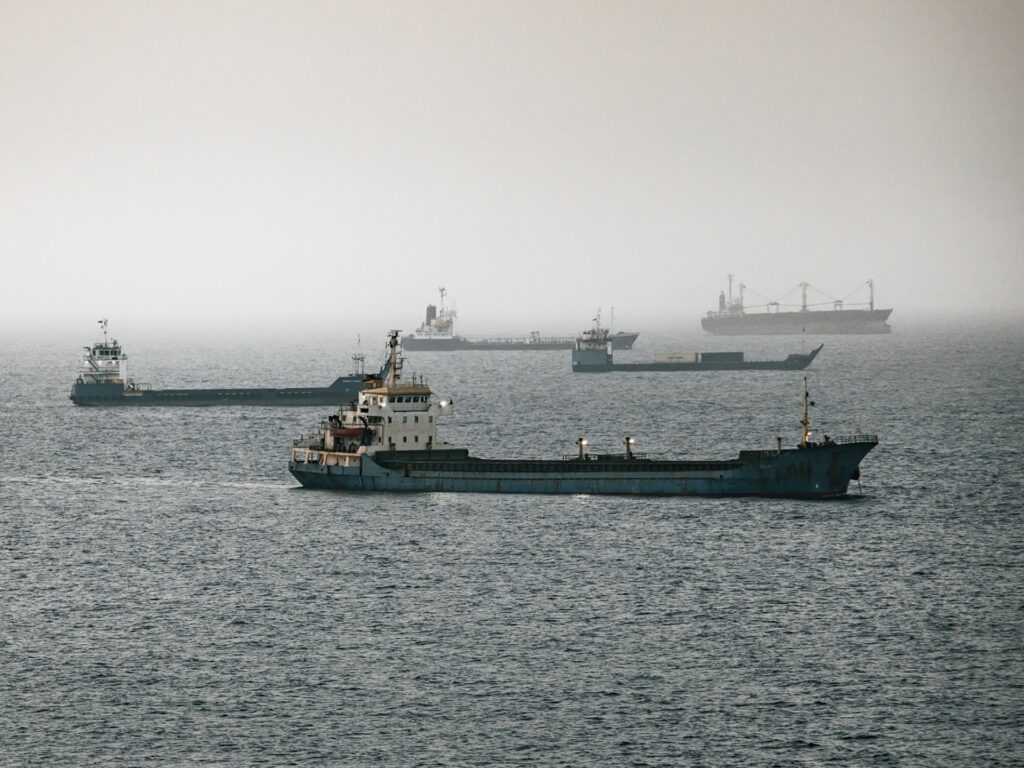
Tensions have escalated in the strategically vital Hormuz Strait as Iran claimed that seven ships were hit in recent incidents, signaling a significant maritime security concern in the region. The Iranian authorities, particularly the Islamic Revolutionary Guard Corps (IRGC), have issued warnings to the United States, indicating the possibility of a broader retaliatory response if what they perceive as aggression continues. This development has raised alarm among international stakeholders given the Strait of Hormuz’s critical role in global oil transportation, where a significant percentage of the world’s petroleum passes through daily.
The IRGC’s announcement came following reports of multiple attacks targeting vessels transiting the narrow but crucial waterway. Iran stated that the operations against the ships were part of their defensive measures, aimed at deterring foreign interference and safeguarding their national security interests. The incidents have not only disrupted maritime traffic but have also further complicated the already tense relations between Iran and the United States.
In response to Iran’s claims, the United States government has categorically pushed back, calling the IRGC’s narrative an attempt to manipulate oil prices and stir up geopolitical tensions. US officials assert that the accusations are strategically timed ahead of the forthcoming US elections, aiming to create instability and influence economic conditions adversely. This dismissal underscores the deep mistrust and continued hostility between the two nations.
The US maintains that no American vessels were harmed and denies any involvement in activities that would jeopardize the stability of maritime routes. Instead, Washington has emphasized its commitment to freedom of navigation in international waters, including the Hormuz Strait, which underpins much of the global energy market.
Analysts note that this clash of narratives highlights the broader geopolitical contest in the Middle East, where Iran seeks to assert its influence against US and allied interests. The situation is further complicated by the strategic importance of the Strait of Hormuz, where even minor escalations can cause significant disruptions in global oil supply and prices.
Experts caution that any further confrontations in the strait pose heightened risks not just to regional security but to the global economy, relying heavily on the steady flow of energy resources. The international community has called for restraint from all parties involved and the pursuit of diplomatic solutions to de-escalate tensions.
In summary, the recent attacks on vessels in the Hormuz Strait and the subsequent warnings from Iran mark a critical point in US-Iran relations, reflecting ongoing hostilities and the fragility of peace in the region. The US dismissal of the claims as politically motivated does little to alleviate the uncertainty surrounding maritime security. As the global eyes remain fixed on the strait, the potential for wider conflict looms, underscoring the urgency for dialogue and conflict resolution.