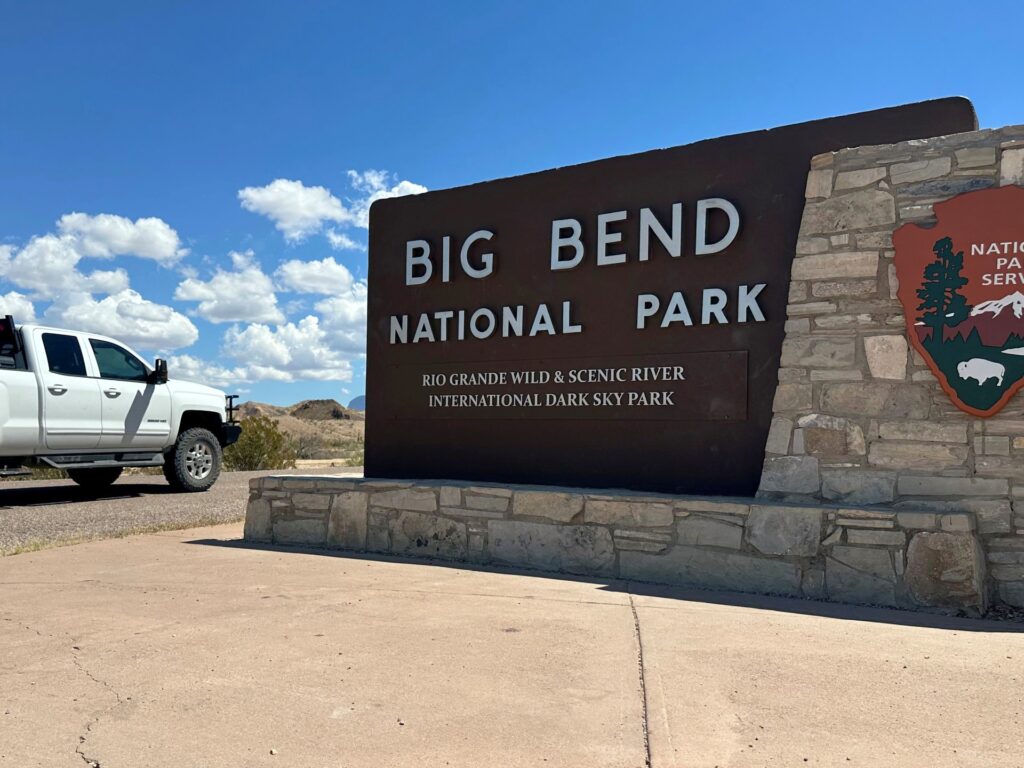
The Trump administration has escalated its efforts to construct a border wall in the Big Bend region of Texas by appealing to the Supreme Court after a federal judge blocked construction activities. The legal battle over the border wall at the Texas-Mexico border is intensifying, reflecting the broader controversy surrounding immigration policies and national security measures.
The federal judge’s injunction halted the project amid ongoing lawsuits challenging the administration’s authority and the environmental impact of the wall. The government argues that the wall is essential for national security and to prevent illegal immigration and drug trafficking across the border.
The Big Bend area is a remote and environmentally sensitive region, making it a focal point for environmentalists who oppose the construction. Critics argue that the wall threatens wildlife habitats, disrupts ecosystems, and violates environmental protection laws. Supporters, on the other hand, emphasize the necessity of the wall to safeguard the country and uphold immigration laws.
In its appeal to the Supreme Court, the administration seeks to override the lower court’s decision and continue construction without further delays. The case raises significant legal questions about the balance of power between the executive branch and the judiciary, as well as the scope of the government’s authority under immigration and environmental laws.
Legal experts note that the Supreme Court’s decision will have far-reaching implications, potentially setting a precedent for future infrastructure projects that encounter legal and environmental challenges. Meanwhile, the Trump administration continues to prioritize border security as a key component of its immigration strategy.
The controversy over the Big Bend wall underscores the ongoing national debate about immigration enforcement, border security, and environmental conservation. As the Supreme Court reviews the case, stakeholders from various sectors—including government officials, environmental groups, and community members—are closely watching the outcome.