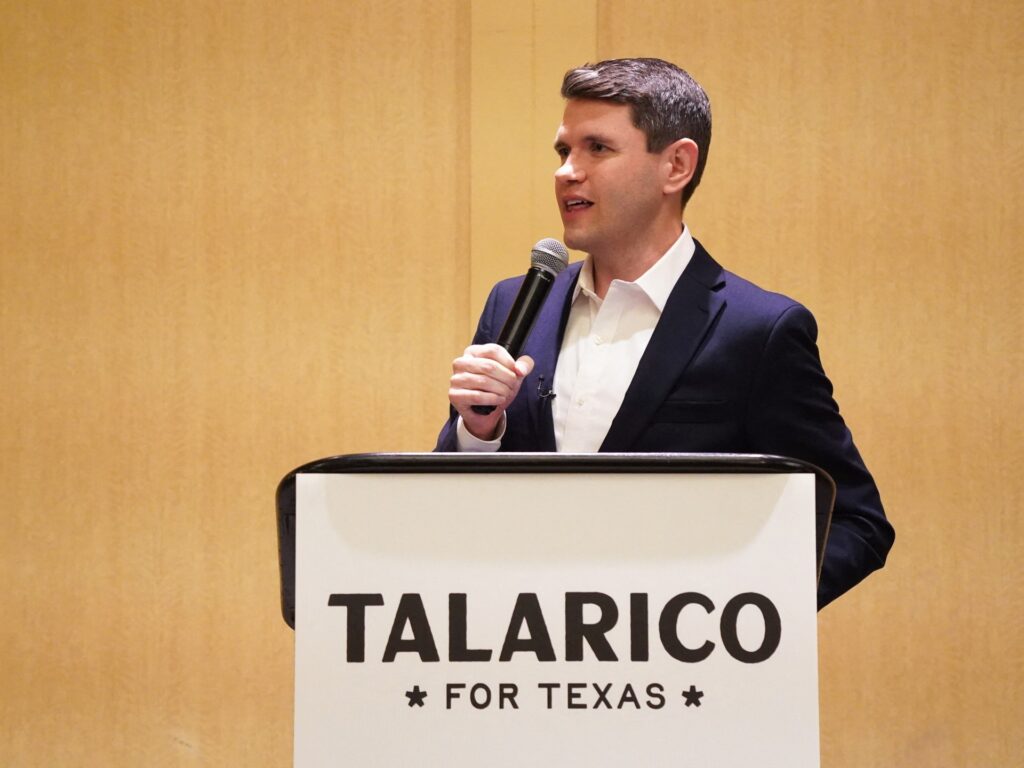
In a surprising political development, Neil Bush, the brother of former U.S. President George W. Bush, has publicly declared his support for Democrat James Talarico in the ongoing Texas Senate race. This endorsement marks a notable departure from his family’s traditional Republican alignment, signaling internal dissent within the GOP ranks.
Neil Bush revealed that his decision to vote for Talarico was driven by significant reservations regarding the Republican candidate, Ken Paxton. Paxton, the incumbent Texas Attorney General, has been a figure of controversy due to ongoing legal and ethical challenges, which appear to have influenced Bush’s stance.
James Talarico, a Democrat known for his progressive policies and focus on education, is challenging Paxton in what has become a highly competitive and closely watched Senate race. Talarico’s campaign has gained momentum among voters seeking change and accountability in Texas politics.
The endorsement from Neil Bush could have meaningful implications for the race, potentially swaying moderate voters who traditionally align with Republican candidates. It also highlights the broader national trend of some Republicans expressing unease with the current direction of their party and its prominent figures.
Political analysts suggest that Bush’s support for Talarico underscores the complexities within Texas politics, especially as demographic shifts and political realignments reshape the state’s electoral landscape. This development may intensify the scrutiny on the candidates and amplify discussions about the future leadership of Texas.
The Texas Senate race remains a key contest to watch, as it could influence the balance of power in the state legislature and signal broader changes in voter priorities. Neil Bush’s endorsement of a Democrat exemplifies the nuanced and evolving political dynamics at play, reflecting a growing willingness among some GOP members to cross party lines in pursuit of what they perceive as better governance.
As the election draws closer, both campaigns are expected to leverage endorsements and voter sentiments to solidify support. For James Talarico, backing from a figure like Neil Bush offers a valuable boost that could resonate with a wider electorate seeking alternatives to the status quo. Meanwhile, Ken Paxton’s campaign will likely need to address the concerns raised by this cross-party endorsement to maintain its base.
Overall, Neil Bush’s support for James Talarico serves as a noteworthy example of shifting political allegiances in Texas and highlights the critical nature of the upcoming Senate race in shaping the state’s future.