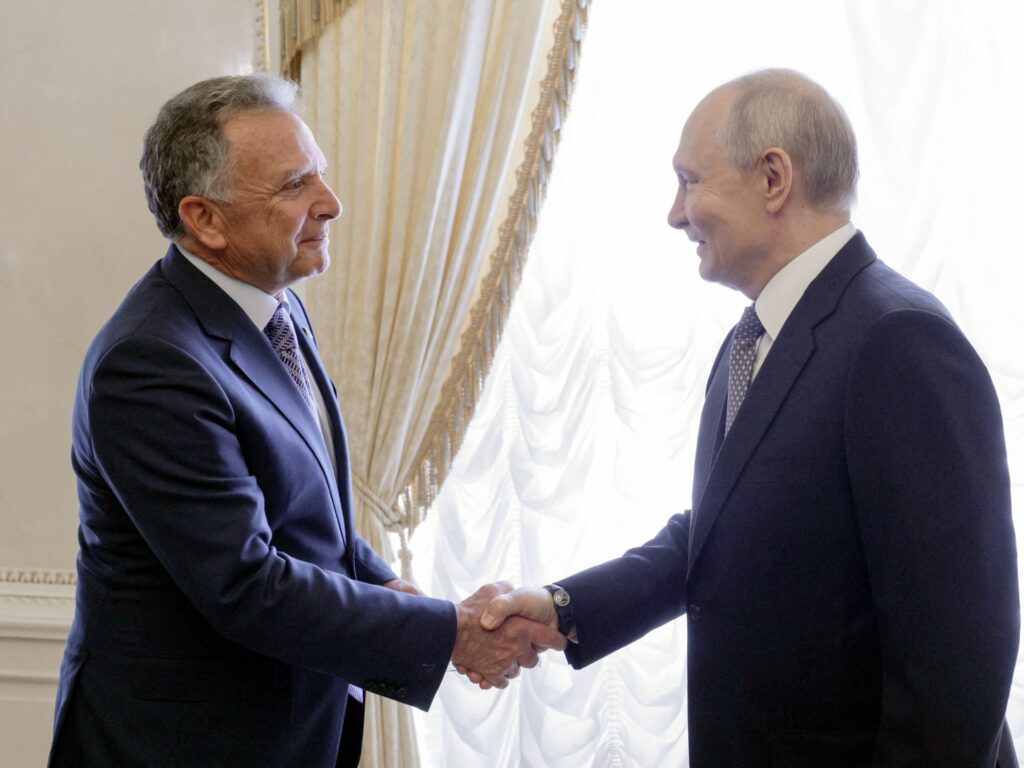
In a recent high-stakes meeting, real estate magnate Steve Witkoff and former White House senior advisor Jared Kushner met with Russian President Vladimir Putin. This negotiation round is taking place amid growing international concern, especially from Kyiv, that the United States might be retreating from its firm support for Ukraine in the ongoing conflict.
The discussions held were part of ongoing diplomatic efforts to de-escalate tensions in Eastern Europe, focusing on the complex and volatile situation in Ukraine. Witkoff and Kushner, leveraging their unique positions and networks, have sought to facilitate communication channels between Russian leadership and American policymakers.
Observers have noted the unusual involvement of private figures like Witkoff and Kushner in such international diplomacy, underlining the gravity and urgency of the situation. Their engagement reflects an attempt to complement official governmental diplomacy with back-channel negotiations.
Kyiv’s growing apprehension about potential shifts in U.S. policy stems from a mix of political rhetoric and diplomatic signals. Ukrainian officials have expressed concern that waning support could embolden Russian actions, undermining Ukraine’s defense efforts amid ongoing military conflict.
Moscow, for its part, has shown cautious openness to dialogue, signaling that negotiations could yield progress if mutual concerns are respected. Putin’s willingness to meet with non-traditional intermediaries indicates a flexible approach aimed at breaking diplomatic stalemates.
The meeting reportedly covered key issues including the terms of ceasefire implementation, security guarantees, humanitarian aid, and economic sanctions. The involvement of Witkoff and Kushner has drawn both praise and skepticism, reflecting the complicated nature of private diplomacy in geopolitical crises.
Global analysts stress that while private diplomatic efforts can supplement official channels, they cannot replace comprehensive policy commitment from state actors. The situation remains fluid, with international attention focused on the impact of these discussions on the broader Ukraine conflict.
As negotiations continue, the international community watches closely, hoping that dialogue will contribute to a resolution that respects Ukraine’s sovereignty and addresses the concerns of all parties involved. The meeting underscores the delicate balance between diplomacy, politics, and conflict resolution in today’s complex geopolitical landscape.