In a significant development ahead of the upcoming US midterm elections, the United States has formally accused Canada of attempting to interfere in its electoral process. Washington’s allegations center around a combination of Canadian tariffs, political meetings, and anti-Trump advertisements, which US officials claim are efforts designed to influence the midterm election outcomes.
The accusation highlights ongoing tensions between the two neighboring countries, particularly in the realm of trade and political relations. Recently, Canada implemented tariffs that the US government views as economically punitive and politically motivated, raising suspicions about Canada’s intentions.
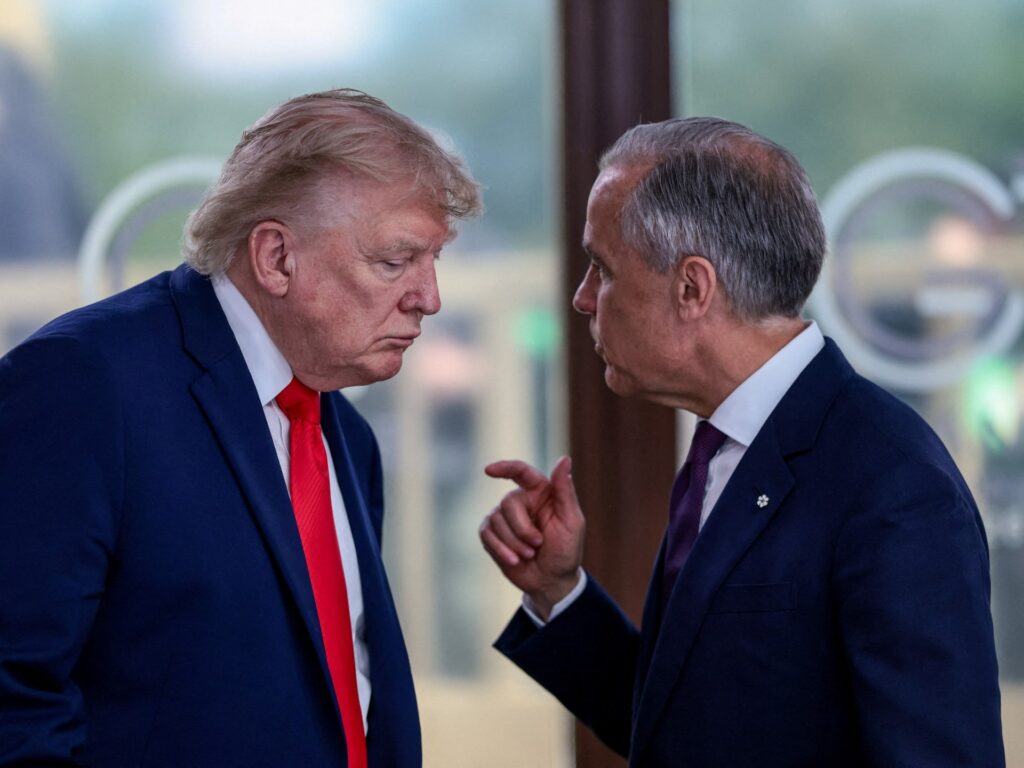
US officials pointed to a series of political meetings involving Canadian figures, which they believe were strategically aimed at influencing American voters. The meetings reportedly discussed various issues relevant to the midterms, including trade policies, climate change, and immigration.
Additionally, the US government cited the presence of anti-Trump advertisements funded or supported by Canadian groups as further evidence of electoral meddling. These advertisements criticized the former president’s policies and leadership, potentially swaying public opinion in a politically sensitive period.
Experts on international relations warn that such accusations could exacerbate diplomatic tensions between the US and Canada, two countries traditionally seen as close allies. The allegations, if substantiated, would represent a serious breach of sovereignty and democratic norms.
Canadian officials have yet to provide a full response but have historically denied similar claims of interference in US politics. They emphasize the importance of respecting electoral processes and maintaining harmonious bilateral relations.
The midterm elections are critical for the US political landscape, determining control of Congress and shaping domestic and foreign policy for the coming years. Any perceived foreign interference could undermine public trust in the democratic process and stir political controversies.
Political analysts note that accusations of election interference are not uncommon in US politics, especially during heated election seasons. However, the involvement of a close neighbor and ally like Canada adds a layer of complexity and seriousness to the situation.
As the midterms approach, both countries face the challenge of addressing these accusations transparently and responsibly to preserve their longstanding partnership and democratic integrity.
In conclusion, the US’s allegations against Canada signify a turbulent moment in North American relations, underscoring the delicate balance between international diplomacy and internal political dynamics during election periods.