Recent incidents involving the French police have sparked widespread condemnation and raised serious concerns over law enforcement’s treatment of minors. Allegations have emerged accusing police officers of brutalizing young protesters, contributing to an escalating atmosphere of fear and mistrust between the public and authorities.
One victim, a minor, has voiced the lasting impact of such encounters, stating, “I am still traumatised.” This haunting testimony underscores the severity of the physical and psychological harm inflicted during confrontations with law enforcement.
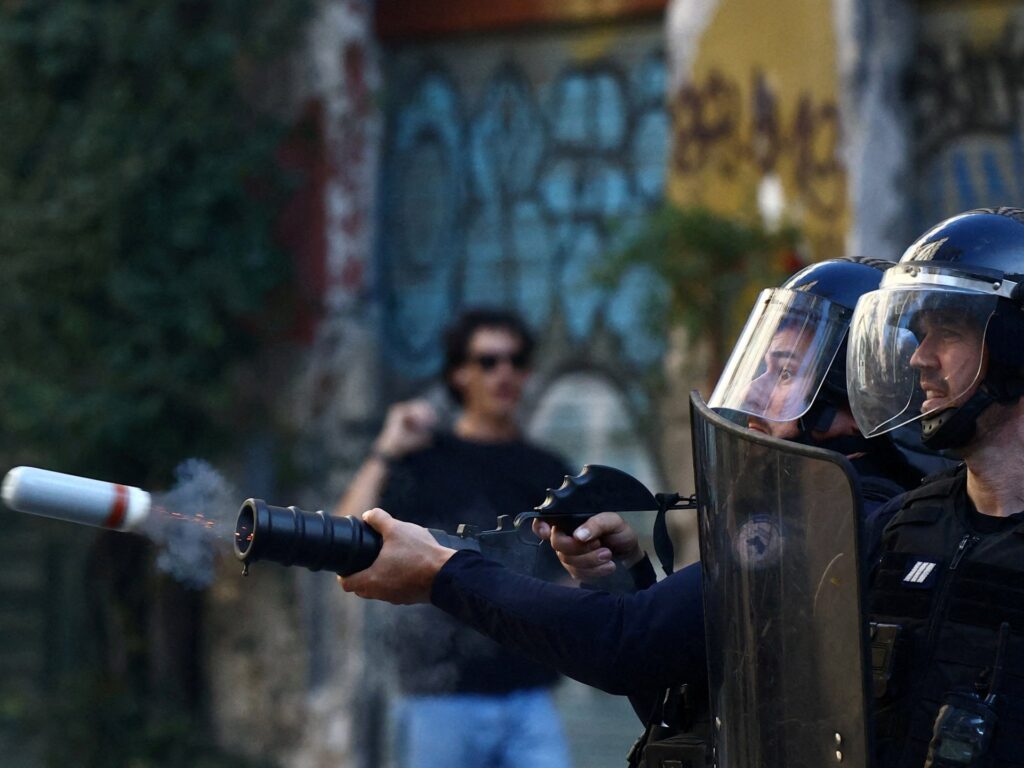
These incidents coincide with a broader wave of demonstrations across France, where police have been criticized for their aggressive tactics and heavy use of crowd-control weapons. Tear gas, rubber bullets, and stun grenades have become commonplace in managing protests, often affecting bystanders and escalating tensions rather than defusing them.
Human rights organizations and activists argue that the excessive use of force by police, especially on young and vulnerable individuals, infringes on basic rights and freedoms. They highlight numerous documented cases where minors suffered injuries, some severe, during protests that originally sought to express legitimate grievances.
The government’s response to these allegations has been met with skepticism. While officials maintain that the police act within legal limits and necessary measures, calls for transparent investigations and accountability continue to grow louder.
Experts point to the historical context of policing in France, where a legacy of harsh crackdowns on protests has contributed to a cycle of distrust. The current situation exacerbates longstanding tensions between marginalized communities and the state.
Community leaders and youth organizations have demanded reforms aimed at protecting minors and ensuring that law enforcement employs proportionate and respectful approaches. They advocate for alternative strategies in crowd management, including dialogue and de-escalation techniques.
The issue has also gained international attention, prompting discussions about policing standards and human rights obligations. Several European bodies have urged France to review its practices and safeguard the rights of all citizens, especially children.
As protests continue, the growing chasm between French authorities and demonstrators threatens social cohesion. The plight of traumatised minors stands as a stark reminder of the urgent need for change to rebuild trust and uphold justice.
The ongoing debate highlights a crucial juncture for France: whether it will heed the calls for reform and adopt approaches that respect dignity, or persist in strategies that alienate and harm its youngest citizens. The future of policing and public safety in the country hangs in the balance as voices from all sides demand accountability and compassion.