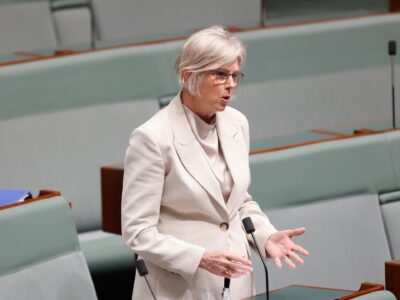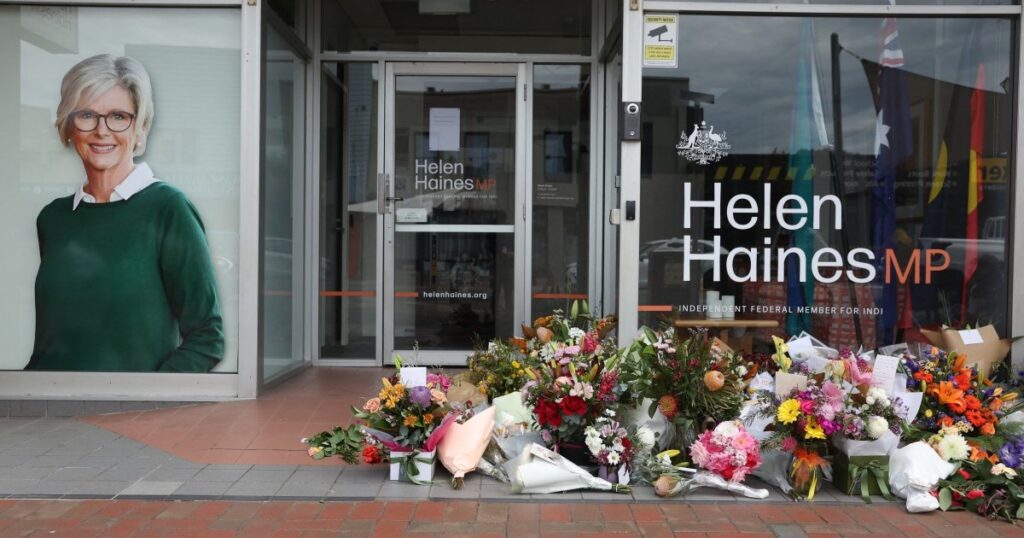
In recent years, Australia has witnessed a concerning surge in threats and abuse directed at its lawmakers, a stark shift in a nation historically known for its peaceful political environment. One of the most alarming instances is the attack on Australian Member of Parliament (MP) Haines, which has brought national attention to the growing dangers faced by politicians.
Australia’s political landscape has traditionally been characterized by respectful discourse and a low incidence of politically motivated violence. However, the rise in threats against legislators signals a troubling change. This trend includes verbal abuse, online harassment, and even physical attacks, which pose significant risks to the safety and well-being of public officials.
MP Haines’ recent attack epitomizes this unsettling pattern. Although details of the assault are still under investigation, the incident highlights the vulnerability of public servants who engage directly with their constituents. Lawmakers are increasingly targeted not only for their political views but also for their efforts to represent diverse communities and address contentious issues.
Experts suggest that several factors contribute to this rise in threats. The growing polarization in Australian politics, fueled by social media platforms, has amplified hostile rhetoric and allowed extremist views to flourish without adequate moderation. Additionally, misinformation and conspiracy theories have undermined public trust in democratic institutions, sometimes resulting in hostility towards elected officials.
The increase in abuse and threats has prompted calls for enhanced security measures for MPs. Some lawmakers advocate for better protective protocols during public engagements and improved support systems to address mental health challenges arising from such aggression.
Law enforcement agencies are also stepping up efforts to monitor and address threats against politicians. There is a greater emphasis on tracking online hate speech and intervening early to prevent potential violence. Collaboration between government bodies, social media companies, and community organizations is seen as crucial in curbing the abuse and ensuring a safe political environment.
Despite these challenges, Australian democracy continues to operate robustly. Public awareness campaigns emphasize the importance of respectful political dialogue and the role of each citizen in safeguarding democratic values.
The attack on MP Haines has served as a wake-up call, underscoring the urgent need to address the evolving nature of political threats in Australia. As the nation grapples with these issues, there is a collective effort to protect the integrity of its democratic institutions and the representatives who serve them.
In conclusion, the rising threats against Australian lawmakers mark a significant shift in the country’s political climate. Understanding and addressing the root causes of this surge is essential to ensuring the safety of public officials and the health of Australia’s democracy going forward.