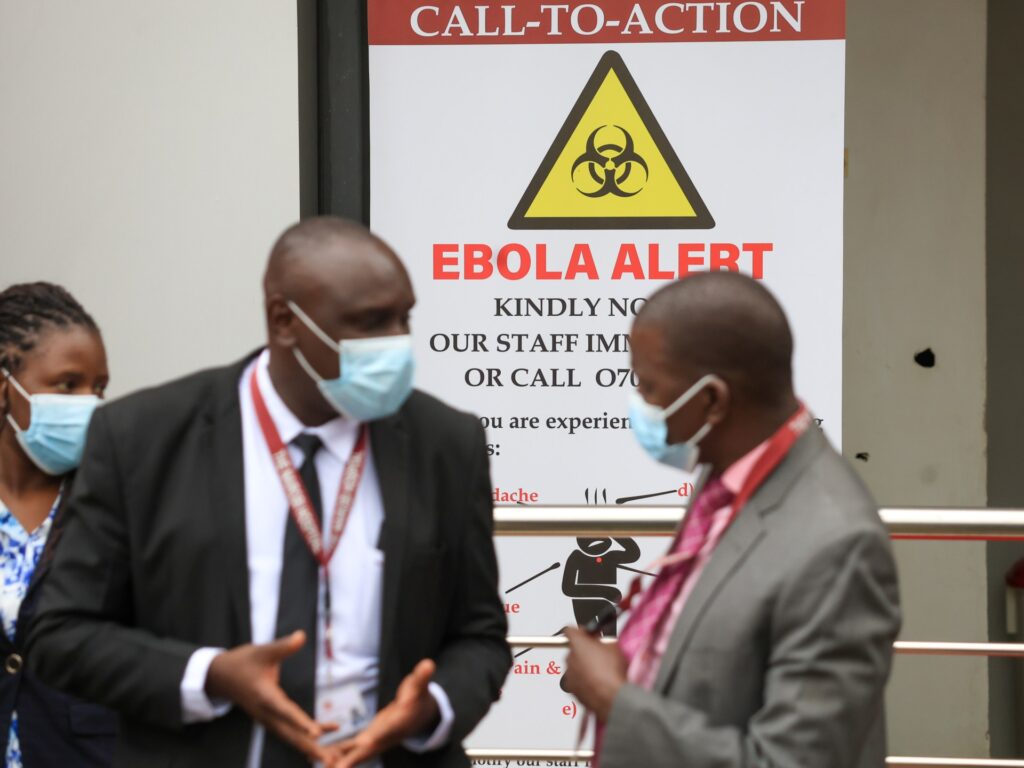
Kenya has recently confirmed its ninth case of Ebola, raising significant concerns about the potential for the virus to spread throughout the region. The latest patient is a 24-year-old man who was already in quarantine before testing positive for the virus. This development underscores the ongoing challenges that health officials face in containing Ebola within the country and neighboring areas.
The Kenyan Ministry of Health has been actively monitoring and managing the situation to prevent further transmission. The rapid identification and isolation of cases are critical components of their strategy, which includes quarantine protocols and contact tracing efforts. This approach aims to curb the spread before it can reach wider populations.
Ebola, a severe viral hemorrhagic fever, has sporadically affected parts of Africa, with recent outbreaks renewed in some regions. This virus is highly contagious and can be transmitted through direct contact with blood, secretions, organs, or other bodily fluids of infected individuals. Symptoms typically appear between two to 21 days after exposure, initially presenting as fever, fatigue, muscle pain, and later progressing to severe bleeding and organ failure.
The 24-year-old patient’s case highlights how proactive quarantine measures can be effective in controlling outbreaks by limiting exposure and enabling timely medical intervention. Despite these efforts, the presence of new cases reminds the public and authorities alike that vigilance remains necessary.
Regional health authorities are coordinating closely to share information, resources, and strategies as the threat of Ebola poses risks beyond Kenya’s borders. Neighboring countries are also on alert, implementing surveillance and readiness activities to detect and respond swiftly to potential cases.
Public health experts emphasize the importance of community engagement and education to prevent misinformation and panic. Health campaigns are focusing on hygiene practices, safe handling of the deceased, and awareness about symptoms to encourage early reporting and treatment.
While vaccines and experimental treatments have been developed and used in recent outbreaks, logistical challenges and limited access in some areas hamper a full-scale immunization campaign. International support and cooperation remain vital in supporting Kenya’s efforts to curb the outbreak.
In conclusion, Kenya’s confirmation of a ninth Ebola case, especially one under quarantine, illustrates both the effectiveness of containment measures and the ongoing threat posed by the virus. Continuous vigilance, strong public health infrastructure, and regional collaboration are key to preventing a broader epidemic and protecting millions across East Africa from this deadly disease.