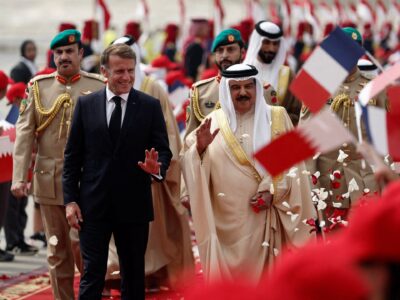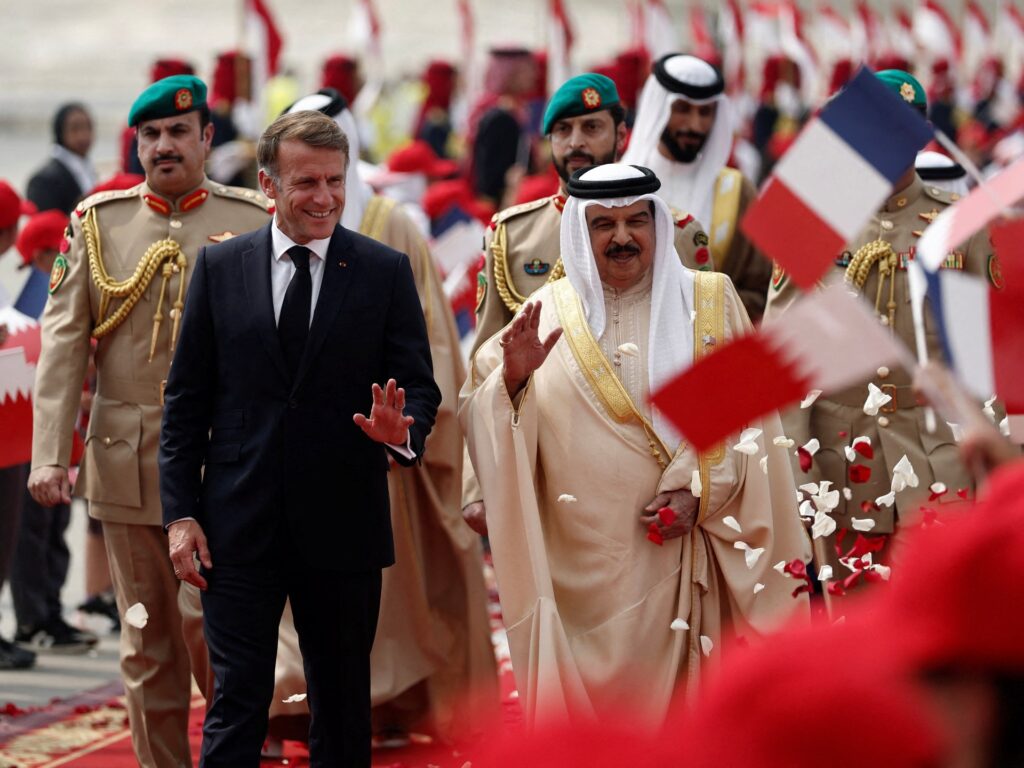
President Emmanuel Macron’s recent visit to the Gulf marks a pivotal moment for France as it seeks to navigate the complex intersections of energy security and regional stability. With global energy prices soaring and geopolitical tensions intensifying, Macron’s diplomatic mission underscores a strategic effort to craft an energy-for-security framework that could redefine France’s foreign policy in the Middle East.
France traditionally relies on a diversified energy portfolio, but the recent fluctuations in global energy markets have exposed vulnerabilities that compel a reassessment of strategic partnerships. The Gulf, rich in oil and natural gas reserves, remains a critical player in the global energy landscape. Macron’s engagement with Gulf states is not merely transactional; it reflects a forward-looking approach aimed at ensuring stable energy supplies while fostering deeper security cooperation.
During his trip, Macron held high-level discussions with leaders from key Gulf Cooperation Council (GCC) countries, focusing on energy collaboration, investments in renewable energy projects, and joint efforts to combat climate change. These talks signify France’s intent to balance traditional fossil fuel dependencies with an ambitious green transition agenda.
Furthermore, the security dimension of Macron’s visit cannot be overstated. The Gulf region faces numerous challenges, including territorial disputes, proxy conflicts, and the threat of terrorism, all of which pose risks to energy supply chains. By bolstering security ties, France aims to contribute to stability in a region whose peace directly impacts global energy markets.
Macron’s diplomacy also includes discussions about arms sales, intelligence sharing, and counterterrorism initiatives. These measures are designed to enhance Gulf states’ capabilities, thereby safeguarding critical infrastructure and ensuring uninterrupted energy exports.
Experts suggest that France’s approach could serve as a template for other Western nations seeking to secure energy interests without escalating military entanglements. It represents a nuanced strategy that leverages France’s diplomatic influence, technological expertise, and commitment to sustainable development.
Critics, however, warn of the risks involved in deeper ties with Gulf autocracies, urging caution given the complicated human rights landscape and large-scale geopolitical rivalries in the region. Nonetheless, Macron’s administration appears determined to pursue a balanced path that simultaneously addresses economic imperatives and ethical considerations.
In summary, President Macron’s visit to the Gulf embodies France’s ambition to carve out an autonomous energy-for-security future. By harnessing strategic partnerships, promoting renewable energy, and reinforcing regional security, France seeks to safeguard its national interests while contributing to a more stable and sustainable global energy order. This evolving policy approach will likely shape France’s international relations and energy security calculus in the years to come.