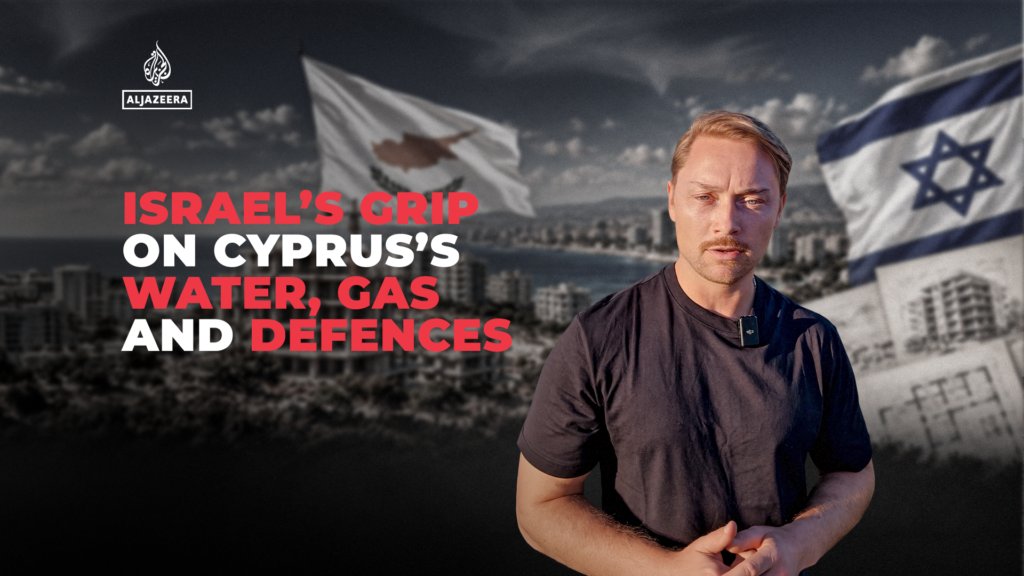
In recent years, Cyprus has increasingly been perceived as an extension of Israel’s strategic and economic landscape, prompting discussions around whether the island nation is becoming Israel’s backyard. This shift is fueled by significant Israeli investments in Cyprus, particularly in sectors like capital, water technology, and real estate, which are transforming the dynamics between the two nations.
The relationship between Cyprus and Israel has always been marked by geographic proximity and shared regional interests, but the depth of cooperation has intensified noticeably in the past decade. Israel’s capital investments in Cyprus have helped boost the island’s financial landscape, creating a symbiotic economic environment.
One of the most prominent areas of collaboration is water technology. Israel’s expertise and innovations in water management have found fertile ground in Cyprus, a country that faces its own water scarcity challenges. Israeli companies have introduced cutting-edge desalination, water recycling, and irrigation technologies to Cyprus, helping to enhance the island’s water security and agricultural output.
Real estate is another critical sector where Israeli influence is evident. Cypriot property markets have seen a surge in demand and development tailored to Israeli investors and residents. This trend is not just about economic returns but also about forging stronger people-to-people ties and lifting Cyprus’ profile as a haven for Israeli expatriates and tourists.
Strategically, Cyprus serves as a valuable partner for Israel in the Eastern Mediterranean. The two countries have strengthened their military and intelligence cooperation, sharing concerns about regional security, including tensions with neighboring states and control of maritime resources like natural gas fields.
These economic and strategic linkages have positioned Cyprus as more than just an ally; it is increasingly viewed as a strategic extension of Israel. This relationship offers Israel a geopolitical advantage, allowing access to European markets, enhanced security cooperation, and a buffer zone in regional conflicts.
Critics argue that this dynamic might undermine Cyprus’ autonomy, with fears that dependence on Israeli capital and technology could skew national policies and priorities. However, supporters emphasize mutual benefits, noting how collaboration promotes regional stability, economic growth, and technological advancement.
Moreover, the Cyprus-Israel relationship exemplifies how smaller nations can leverage partnerships with regional powers to enhance their own standing and capabilities. Cyprus benefits from Israeli innovation and investment, while Israel gains a strategic foothold closer to Europe and the Mediterranean’s critical energy corridors.
Looking forward, this growing integration seems poised to deepen, with plans for expanded cooperation in energy exploration, tourism, and digital technologies. Both countries are likely to continue using their partnership as a template for regional cooperation amid a complex geopolitical environment.
In summary, Israel’s capital, water technology, and real estate investments are indeed transforming Cyprus into a strategic and economic extension of Israel, though the narrative of becoming a “backyard” might be more nuanced. It reflects a multifaceted partnership shaped by mutual interests, regional security, and shared opportunities for growth and innovation. This evolving dynamic will be key to understanding future developments in the Eastern Mediterranean region.