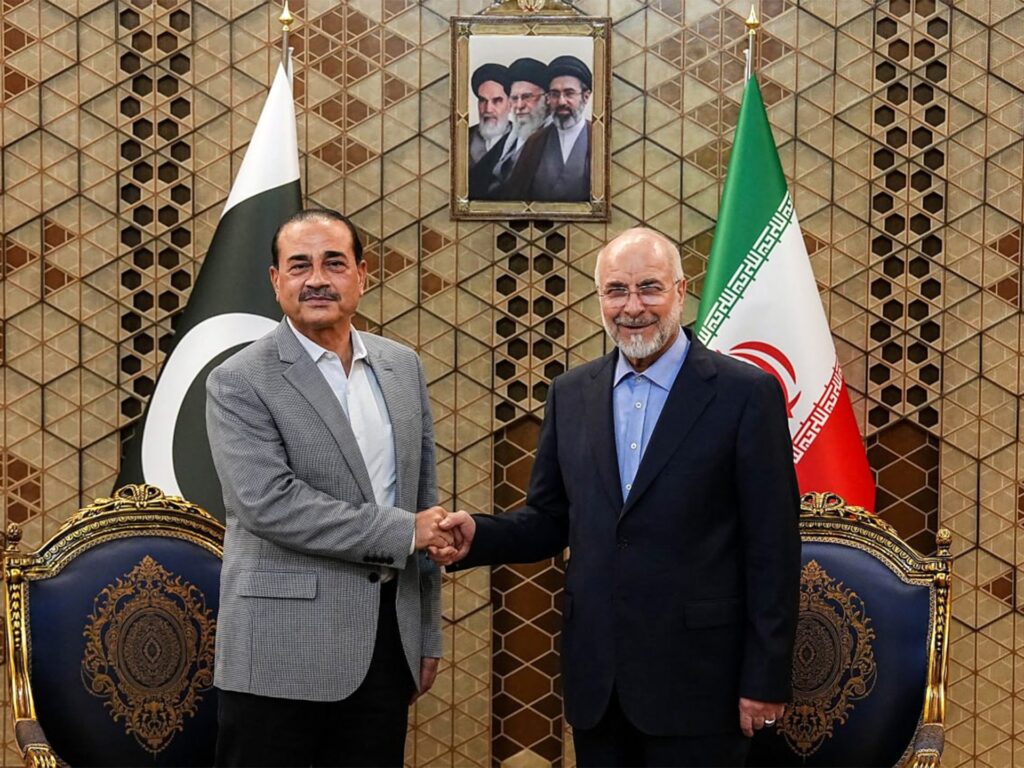
In a critical move amidst escalating tensions between the United States and Iran, the Pakistan Army Chief has visited Tehran to engage in high-level diplomatic talks. This visit underscores Pakistan’s strategic intent to serve as a neutral intermediary aimed at de-escalating conflict risks in the region.
Over recent months, there has been renewed talk about a potential escalation of hostilities between the US and Iran, following a series of provocative incidents and retaliatory measures that have heightened fears of a larger confrontation. Both global and regional actors are increasingly concerned about the possibility of a conflict that could destabilize the Middle East and reverberate globally.
Pakistan, sharing borders with both pivotal players and having historically maintained amicable relations with Tehran, Riyadh, and Washington, finds itself in a unique position to mediate. The Pakistan Army Chief’s visit is widely interpreted as a strategic initiative to revive diplomatic negotiations and encourage dialogue among all parties involved.
During his visit, the Chief underscored the importance of peace and stability for regional security and economic prosperity. He called for renewed efforts in diplomacy to prevent misunderstandings from spiraling into open conflict. His discussions with Iranian military and political officials focused on building trust, reducing tensions, and exploring pathways for dialogue.
Islamabad’s approach is carefully calibrated to avoid alienating any of the key players: Iran, Saudi Arabia, or the United States. It seeks to balance its diplomatic relationships while promoting a regional dialogue mechanism that includes all stakeholders. This refined diplomacy reflects Pakistan’s broader foreign policy goals of fostering peace and regional cooperation.
Analysts view Pakistan’s move as an attempt to reduce the risk of a US-Iran war that could have severe consequences for global oil supplies and the geopolitical landscape. Islamabad hopes that by facilitating communication, it can contribute to easing tensions and paving the way for peaceful negotiations.
The Pakistan Army Chief’s initiative also signals a recognition of the interconnectedness of regional security dynamics. With Saudi Arabia, Iran, and the US involved in complex rivalry and alliances, Pakistan’s role as a mediator could be critical in shaping future security arrangements.
As diplomatic efforts intensify, the international community watches closely to see whether these initiatives can avert a potentially devastating conflict. Pakistan’s engagement is a reminder that dialogue remains an essential tool for conflict resolution, even in tense geopolitical climates.
In conclusion, Pakistan’s top military visit to Tehran comes at a time when proactive diplomacy could make a significant difference. By encouraging open dialogue, Islamabad hopes to foster conditions that prevent new warfare between the US and Iran and promote long-term regional stability.