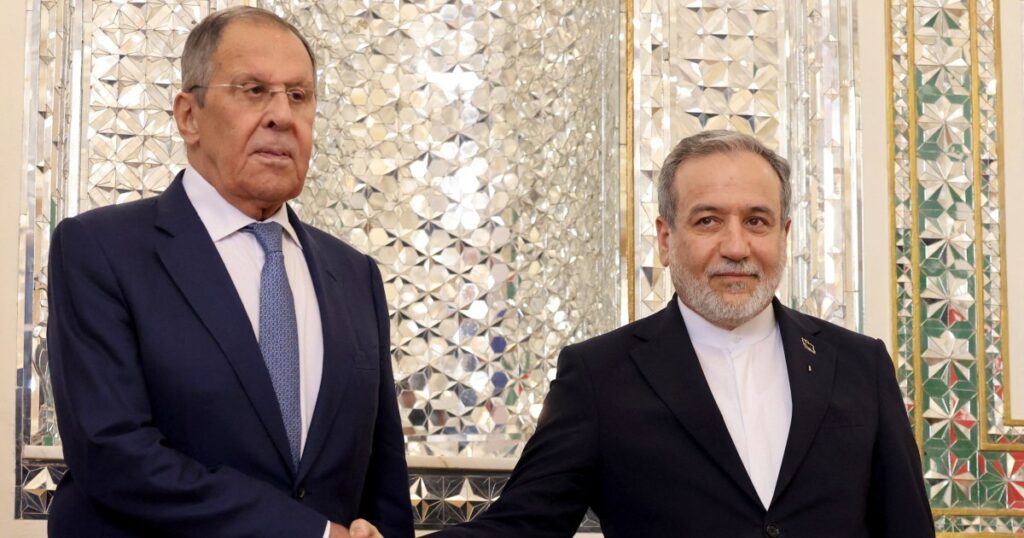
The recent geopolitical tensions between the United States and Iran have once again brought Russia into the spotlight, especially with Foreign Minister Sergey Lavrov publicly backing Tehran amidst the crisis. This stance reinforces the longstanding alliance between Moscow and Tehran, a partnership often highlighted by shared interests and mutual opposition to Western influence.
Lavrov’s pledge of support to Iran, despite the sanctions imposed on Tehran by the West, signals Russia’s commitment to its ally. The two countries have maintained strong diplomatic and economic ties, often coordinating strategies in regional conflicts and countering U.S. policies in the Middle East. This backing comes at a critical moment when Iran faces increasing pressure from the U.S., ranging from economic sanctions to military posturing.
However, analysts suggest that Russia’s relationship with Iran during this crisis is not solely about solidarity. The ongoing conflict that Iran seeks to resolve has paradoxically filled Russia’s coffers. War and tension in the Middle East have created economic and strategic opportunities for Russia, allowing it to strengthen its influence and leverage in the region.
One key aspect is Russia’s role in global energy markets. As tensions escalate and Western sanctions target Iranian oil exports, Russia steps in to fill the void, increasing its oil and gas sales. This shift benefits Moscow financially while simultaneously weakening the U.S.’s ability to influence energy supplies.
Moreover, Russia profits from arms sales to Iran and other regional players. The instability fuels demand for military hardware, which Russia is well-positioned to supply. These sales not only generate income but also deepen Russia’s strategic foothold in the Middle East.
The crisis also diverts Western attention and resources, indirectly benefiting Russia in other global arenas. By supporting Iran and capitalizing on the conflict, Russia gains diplomatic leverage and can pursue its objectives with reduced Western interference.
However, this dynamic is complex and fraught with risks. Russia must carefully balance its support for Iran without escalating tensions to a level that could provoke a broader conflict involving NATO or other powers. Moscow’s strategy seems to revolve around maintaining influence while avoiding direct confrontation.
The U.S.-Iran crisis thus presents a multifaceted scenario for Russia. It reaffirms Moscow’s alliance with Tehran, showcases its ability to exploit geopolitical upheavals for economic and strategic gain, and highlights the intricate chess game of power politics in the Middle East.
In summary, Russia’s support for Tehran is not merely an act of solidarity but a calculated move to advance its interests. By backing a sanctioned ally amid escalating tensions, Russia not only bolsters a key partner but also benefits from the turmoil that the crisis generates. This nuanced engagement underscores Russia’s role as a pivotal player in the evolving dynamics of international relations in the region.