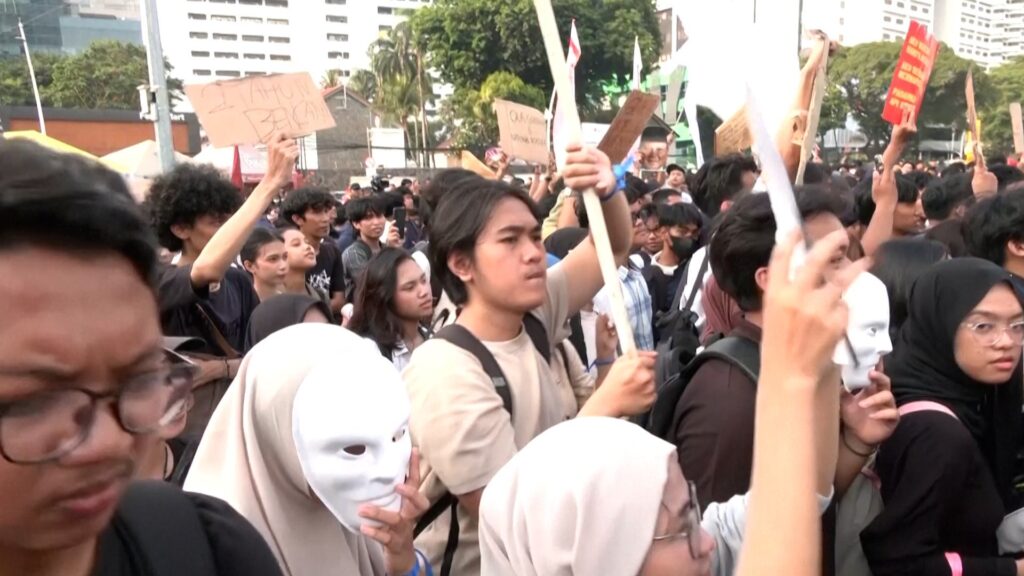
Across multiple regions in Indonesia, students and activists have taken to the streets to protest the ongoing forest fires associated with land clearing practices for palm oil plantations. These fires, which have devastated large areas of forest, provoke serious environmental, health, and social concerns.
The protests highlight the urgent need for sustainable land management and stricter enforcement of regulations to curb illegal burning activities. The fires not only destroy biodiversity and contribute significantly to greenhouse gas emissions, but they also severely impact air quality, leading to respiratory problems among local populations and even in neighboring countries.
Protesters emphasize that the palm oil industry, while economically important to Indonesia, must pursue environmentally responsible practices. Many Indonesians express frustration at the government’s previous inability to prevent or swiftly extinguish these destructive fires.
Students and activists carried banners and chanted slogans demanding immediate government action to halt the clearing fires. They called for accountability from corporations involved in illegal land clearing and pushed for increased transparency in the palm oil supply chain.
Environmental groups supporting the protests stress that land clearing by burning not only disrupts ecosystems but also threatens indigenous communities whose livelihoods depend on the forest. They advocate for alternative, fire-free methods of land clearing.
The Indonesian government has in the past declared states of emergency during peak fire seasons and deployed thousands of personnel to combat the blazes. However, protesters argue that enforcement measures have been insufficient and that long-term solutions must include reforming agricultural practices and incentivizing sustainable development.
International partners have also expressed concern over the transboundary smoke haze resulting from Indonesian forest fires, urging cooperation to address the root causes. The protesters’ demands align with growing global calls for environmental justice and sustainable industry standards.
This wave of demonstrations underscores a broader social movement in Indonesia demanding environmental protection, social equity, and corporate responsibility. The ongoing dialogue between government bodies, industry stakeholders, and civil society will determine the future landscape of Indonesia’s forests and the health of its communities.
As the rainy season approaches, there is cautious optimism that improved policies and community engagement can reduce the incidence of destructive land-clearing fires, protecting Indonesia’s invaluable natural resources for future generations.