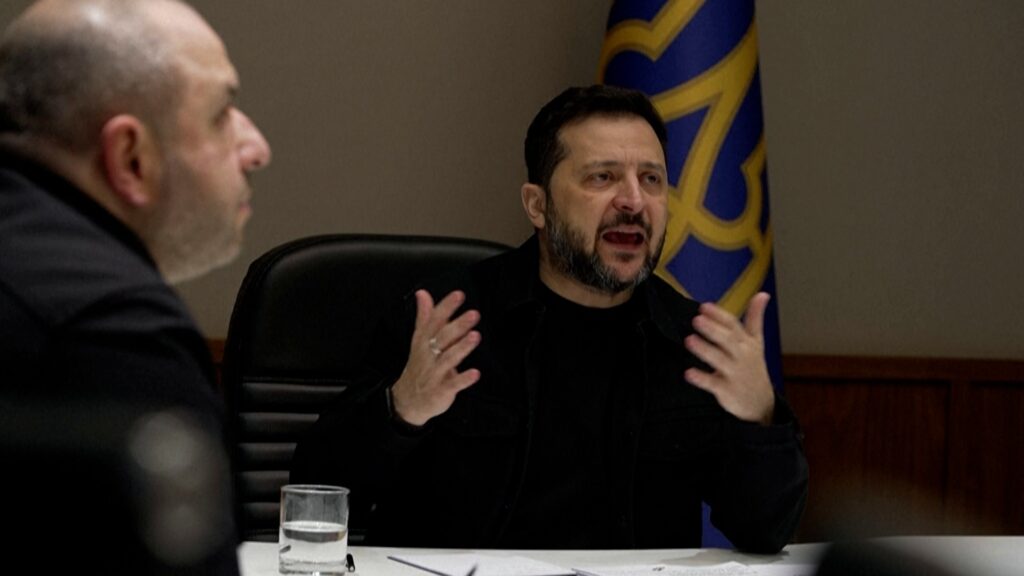
Ukrainian President Volodymyr Zelenskyy has recently expressed serious concerns regarding the apparent failures of SpaceX’s Starshield defence system. This advanced satellite network, developed by SpaceX, was anticipated to provide crucial support for Ukraine’s defence capabilities amid ongoing geopolitical tensions.
The Starshield system, an evolution of the Starlink satellite constellation, was designed not only for global internet coverage but also to incorporate enhanced military-grade features, including secure communications and battlefield surveillance. However, Zelenskyy’s administration has reported several issues that have compromised its effectiveness in real-time combat situations.
According to sources within Ukraine’s defence ministry, the Starshield satellites have faced technical setbacks that limit their coverage and responsiveness. These failures have raised doubts about their reliability in maintaining continuous communication across Ukraine’s rapidly changing frontline.
President Zelenskyy has called for a thorough investigation into the shortcomings of the SpaceX technology. His request underscores the critical need for dependable military communication infrastructure, especially given the ongoing conflict dynamics and the reliance on advanced technology support from international allies.
SpaceX has not officially responded to the allegations yet, but experts speculate the challenges may stem from the complex integration of commercial satellite technology into military operations. The Starshield’s dual-use nature as both a communication and reconnaissance platform places significant demands on the system, which may not have been fully anticipated during development.
The failure of Starshield touches on broader concerns about the dependence on private-sector technology providers in critical national security domains. Ukraine’s experience highlights the risks and challenges inherent in deploying cutting-edge technologies in active conflict zones, where technical glitches can have dire operational consequences.
Despite these issues, Ukraine continues to rely heavily on satellite communications to coordinate its defence strategy and maintain strategic advantage against adversaries. The situation remains fluid, and further updates from both the Ukrainian government and SpaceX are anticipated as investigations progress.
This development could prompt a reassessment of the partnership models between governments and private tech firms, particularly in sectors where security and reliability are paramount. As the conflict evolves, Ukraine’s demand for resilient and robust defence systems will drive ongoing innovation and scrutiny in the military applications of satellite technology.
In conclusion, President Zelenskyy’s pursuit of answers regarding the Starshield defence failures reflects a critical moment in the intersection of space technology and modern warfare. How SpaceX addresses these concerns may set a precedent for future collaborations between the defence sector and commercial space enterprises.