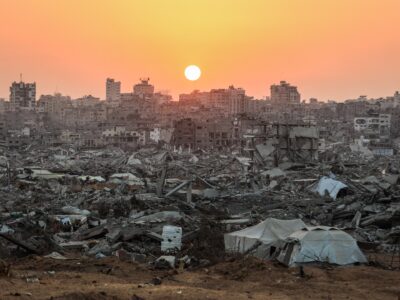
The humanitarian situation in Gaza is rapidly deteriorating as the World Food Programme (WFP) has announced that it will be forced to suspend food assistance in the region due to critical funding shortages. This alarming development comes at a time when Gaza, home to over two million people, is already grappling with severe food insecurity and economic hardships.
The WFP, a United Nations agency responsible for providing food aid to vulnerable populations across the globe, has been a crucial lifeline for many families in Gaza. The organization’s decision to cut food aid reflects the growing pressure on humanitarian resources amid competing global crises and donor fatigue.
Food insecurity in Gaza has been exacerbated by ongoing conflict, blockade, and restrictions on the movement of goods and people. These factors have severely limited access to essential supplies, pushing many households to the brink of starvation.
With the suspension of WFP food assistance, particularly vulnerable groups such as children, pregnant women, and the elderly face heightened risks. Malnutrition rates, already distressingly high, are expected to surge further, leading to long-term health consequences.
Local authorities and aid organizations have expressed grave concern over the impact of these cuts. They warn that without immediate intervention and increased funding, the humanitarian crisis could spiral out of control, resulting in widespread suffering and increased mortality rates.
The announcement has also drawn international attention, with calls from various governments and humanitarian advocates urging increased financial support to prevent a catastrophic food shortage in Gaza. Despite these appeals, the WFP cautions that unless funding gaps are urgently addressed, further reductions in aid may be unavoidable.
The current crisis highlights the fragile nature of food security in conflict-affected regions and underscores the critical role of sustained international aid. Efforts to mobilize resources and advocate for greater donor commitments are underway, but time is running out for those in desperate need.
In summary, the World Food Programme’s announcement signals a deepening hunger crisis in Gaza, exacerbated by funding shortages and complex geopolitical challenges. The suspension of food assistance threatens the well-being of millions and calls for immediate action from the international community to avert a full-scale humanitarian disaster.