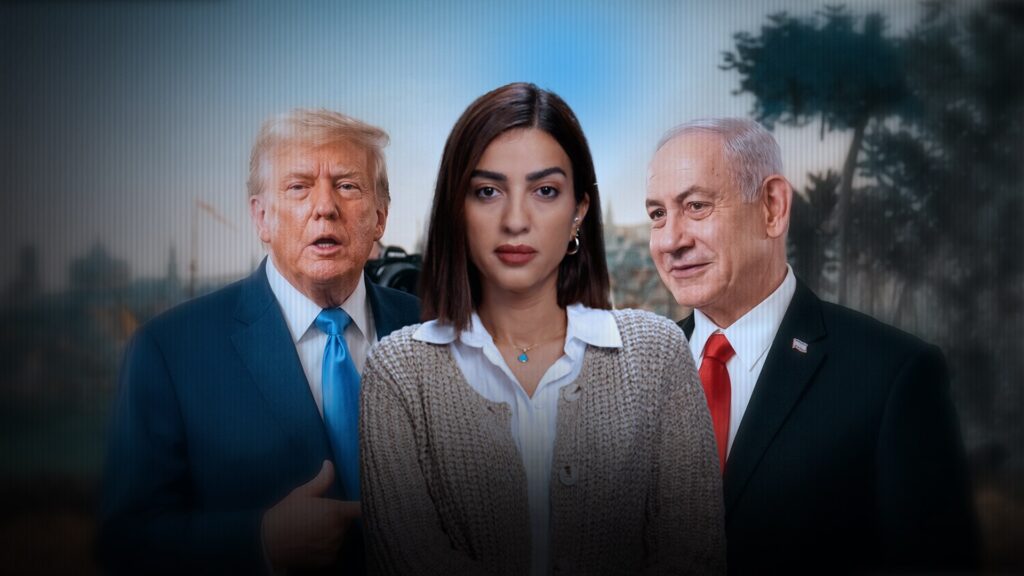
In a significant political development ahead of the upcoming Israeli election, former U.S. President Donald Trump has publicly endorsed Benjamin Netanyahu. This endorsement marks a critical moment in the election campaign, potentially influencing voter sentiment and international perspectives on the race.
Benjamin Netanyahu, a prominent and long-serving political figure in Israel, is seeking to secure another term as Prime Minister. Trump’s support is seen as a boost to Netanyahu’s campaign, reinforcing his stance on key issues and his approach to Israel’s domestic and foreign policies.
The endorsement comes at a time when the Israeli political landscape is highly charged, with various candidates and parties vying for power amid concerns about governance, security, and economic challenges.
Alongside this major endorsement, another notable event has occurred in the Israeli political arena: Itamar Ben-Gvir, a controversial far-right politician, has been meeting with opposition in the form of student protests. These protests reflect the growing tensions and divisions within Israeli society, particularly among younger generations who are actively engaging in political discourse.
Ben-Gvir’s policies and rhetoric have been a focal point of criticism, motivating students to organize and voice their concerns publicly. The protests indicate a vibrant and democratic engagement among Israel’s youth, highlighting the challenges faced by current and future leadership.
The intersection of these events—the endorsement by a high-profile international figure like Trump and the domestic unrest represented by the student protests—underscores the complex dynamics at play in Israel’s forthcoming election.
Political analysts suggest that Trump’s endorsement could energize Netanyahu’s base and sway undecided voters, particularly those who favor strong ties with the United States and a tough stance on security issues.
However, the protests against figures like Ben-Gvir also demonstrate the depth of political and social divisions within the country, which candidates will need to address after the election.
As the election approaches, all eyes remain on Israel to see how these developments will shape the political future and the country’s direction on both domestic policy and international relations.
This election is not just a contest for leadership but a reflection of the broader debates about Israel’s identity, democracy, and place in the world. With Trump’s endorsement and the ongoing protests, the stakes have never been higher, making it a crucial moment in Israeli political history.