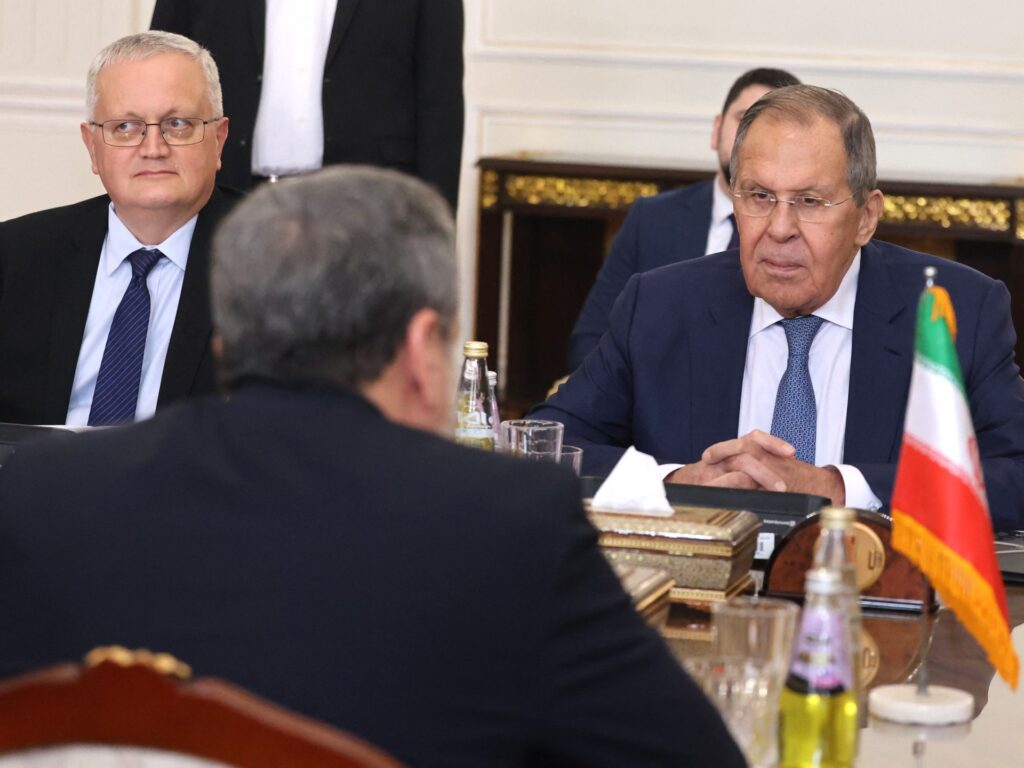
During a significant diplomatic visit to Tehran, Russian Foreign Minister Sergey Lavrov engaged in critical discussions focusing on the ongoing US war and regional security issues. The visit highlights Russia’s active role in addressing tensions in the Middle East, particularly concerning Iranian activities that have raised alarms among Gulf Cooperation Council (GCC) states.
Lavrov’s talks were centered around the complex geopolitical landscape shaped by US military actions and their repercussions in the region. The discussions aimed to seek stability and security amidst escalating conflicts involving various actors.
One of the pressing concerns raised during these talks was the series of Iranian attacks affecting maritime routes, notably near the strategic Strait of Hormuz. This vital passageway is crucial for global oil shipments, and any disruptions pose significant risks to international trade and energy markets.
GCC countries have been urging Moscow to leverage its influence over Tehran to help halt these attacks, which have heightened regional tensions and threatened the safety of maritime navigation. The reopening of the Strait of Hormuz to safe and unimpeded passage was a pivotal topic, reflecting the urgency shared by multiple stakeholders.
Russia’s involvement is seen as a balancing factor, given its diplomatic ties with Iran and its broader strategic interests in maintaining stability in the Middle East. Lavrov’s visit underscores Moscow’s willingness to engage in dialogue aimed at reducing hostilities and promoting security cooperation.
The discussions also touched upon broader issues of arms control, counterterrorism efforts, and the need for dialogue between conflicting parties to mitigate risks of escalation.
In summary, Lavrov’s Tehran visit marks a critical engagement by Russia to address key regional security challenges. By responding to GCC concerns and negotiating with Iranian representatives, Moscow aims to foster a more secure environment that supports peaceful maritime trade and reduces the potential for conflict in a volatile region.