Qatar has issued a stark warning that the global energy repercussions stemming from the ongoing conflict involving Iran have not yet reached their peak, signaling potentially more turbulent times ahead for the international energy markets. The situation has raised concerns about energy security and market stability worldwide, as Iran plays a pivotal role in global oil and gas supplies.
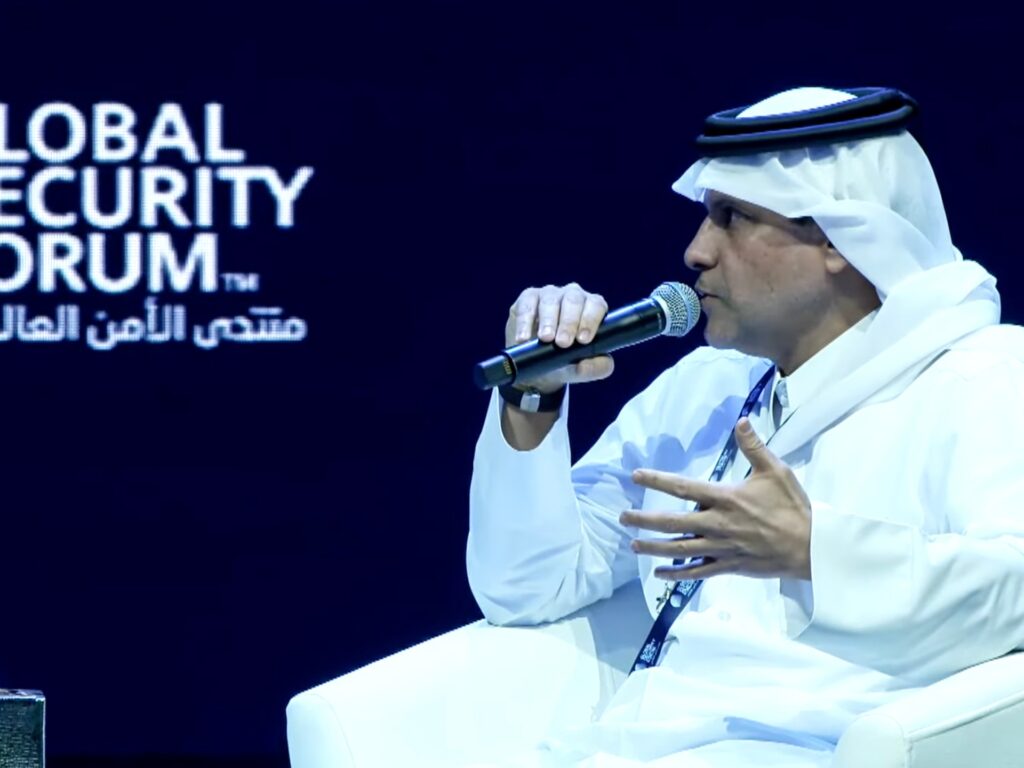
In a recent statement, the Deputy Prime Minister of Qatar emphasized the urgency of engaging in dialogue with Tehran to de-escalate tensions and prevent further disruptions. The call for diplomacy underscores the fragile balance in the region, where geopolitical tensions can swiftly translate into volatile energy prices and supply chain uncertainties.
While advocating for increased communication with Iran, the Deputy PM also highlighted Qatar’s strong defense ties with the United States, illustrating the complex geopolitical alliances at play. This dual approach reflects Qatar’s strategic position in the Middle East as it seeks to balance regional relationships while supporting global energy market stability.
A noteworthy point raised was Qatar’s firm rejection of proposals to impose transit fees on shipping through the Strait of Hormuz—a critical chokepoint through which about a fifth of the world’s petroleum passes. Such fees could substantially increase costs and exacerbate existing market jitters. Qatar’s stance stresses the importance of keeping this corridor open and free of additional costs to maintain energy flow to global markets.
The Deputy PM’s comments come amid heightened global anxiety about how prolonged conflict in Iran could cause more severe disruptions. Energy analysts warn that prices may spike further if supply routes are hindered or if sanctions intensify, putting additional pressure on economies worldwide.
Qatar’s warning serves as a call to the international community to prioritize peaceful solutions to prevent global economic fallout from worsening. It highlights the interconnectedness of geopolitical stability and energy security, reinforcing that disturbances in one region inevitably ripple across international borders.
This situation illustrates the broader implications of Middle Eastern conflicts on the global energy landscape. Countries dependent on oil imports are closely monitoring developments, preparing to adapt to possible market shocks and supply chain adjustments.
In conclusion, Qatar’s Deputy Prime Minister’s appeal for dialogue alongside the rejection of added transit fees paints a picture of a delicate and complex geopolitical puzzle. The world awaits with cautious attention as the dynamics in Iran unfold, understanding that the full impact on energy markets and global stability is still emerging and likely to intensify before any resolution.